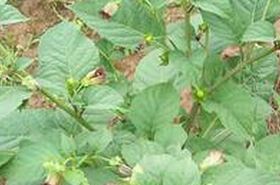
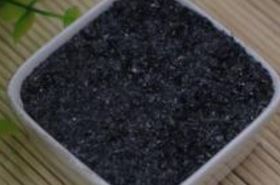
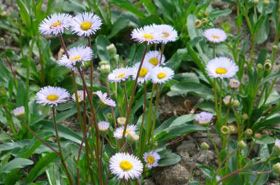
Sedum Aizoon (Jing Tian San Qi)
Aliases: Fei Cai (Creeping Stonecrop), Tu San Qi (False Ginseng), Qiang Tou San Qi (Wall-top Stonecrop), Jian Xue San (Blood-Stopping Herb), Xue Shan Cao (Blood Mountain Grass), Po Xue Dan (Blood-Breaking Pellet).
Nature and Flavor: Sweet and slightly sour in taste, with a neutral energetic nature.
Meridian Tropism: Enters the Heart and Liver meridians.
Medicinal Part: The root or the entire plant of Sedum aizoon L., a species belonging to the Crassulaceae family.
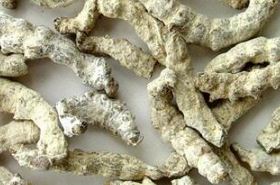
Morphological Characteristics: The rhizome is short, somewhat lumpy, with a grayish-brown surface. It has several roots of varying thickness. The texture is hard, and the cross-section is dark brown or grayish-white. It has a faint aroma and a slightly astringent taste.
How to Use Sedum Aizoon
Internal Use: For decoction, use 9-30g. Alternatively, for fresh plant material, use 30-60g, juiced and consumed.
External Use: Apply an appropriate amount. For fresh plant material, mash it into a paste and apply it topically to the affected area. Alternatively, grind it into a powder and sprinkle it on the affected area.
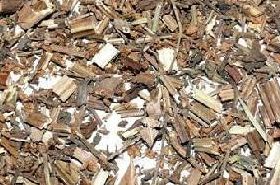
Preparation: Take the raw herb, remove impurities, quickly rinse with water until clean, soften it, cut it into small sections, and then dry.
Benefits and Indications of Sedum Aizoon
Benefits: Disperses blood stasis, stops bleeding, calms the Heart and settles the Spirit, and detoxifies the body.
Indications: Traditionally used for symptoms such as vomiting blood, coughing up blood, bleeding gums, blood in stool, blood in urine, abnormal uterine bleeding (metrorrhagia/menorrhagia), thrombocytopenic purpura, and traumatic bleeding. It also helps with heart palpitations, irritability, and insomnia. Externally, it's applied for injuries from falls, traumatic bleeding, burns and scalds, as well as sores, boils, and carbuncles. (Ethnobotanical data suggest that plants in the Crassulaceae family, including Sedum species, have been traditionally used for a range of medicinal purposes, often related to wound healing and anti-inflammatory actions.) PMID: 35017830
Traditional Formulas with Sedum Aizoon
1. For various bleeding conditions, including coughing blood, nosebleeds, bleeding gums, and internal injuries: Use 60-90g of fresh Tu San Qi (Sedum Aizoon). Decoct it with water or juice it and consume. Take for several consecutive days. (From "Common Folk Herbs of Zhejiang")
2. For blood in urine (Hematuria): Take 15g of Sedum Aizoon. Add brown sugar water as a guide, then decoct with water and consume. (From "Shanxi Chinese Herbal Medicine")
Precautions and Contraindications for Sedum Aizoon
Important: Individuals with deficient cold in the Spleen and Stomach should avoid taking this herb. (Herbal remedies for conditions like bleeding and anxiety have been explored, with studies highlighting the potential of various plant extracts to influence hemostasis and neurological functions. For instance, some Sedum species have shown promising hemostatic effects in traditional applications.) PMID: 25484838 Furthermore, the calming properties of various herbal medicines are being investigated for their role in managing insomnia and anxiety, echoing the traditional use of herbs like Sedum Aizoon to "calm the Heart and settle the Spirit." PMID: 29474771 Always consult a qualified practitioner before using any herbal medicine, especially if you have pre-existing health conditions or are taking other medications.
If you often experience minor, unexplained bleeding like nosebleeds or easy bruising, or find yourself frequently restless and sleepless, then discussing Sedum Aizoon with a qualified Traditional Chinese Medicine practitioner might offer some insights. Immediately consult a healthcare professional for any severe or persistent bleeding, or if you experience significant changes in your health.
For informational purposes only. Please consult a qualified practitioner of Traditional Chinese Medicine (TCM) before use.