Myoga Ginger
Aliases: Jiā Cǎo, Fú Zū, Yù Qú, Bái Ráng Hé, Fù Zū, Fù Jū, Yáng Huò, Yáng Huò Jiāng, Shān Jiāng, Guān Yīn Huā, Lián Huā Jiāng, Gāo Liáng Jiāng, Yě Shēng Jiāng, Tǔ Lǐ Kāi Fā, Yě Lǎo Jiāng, Liáng Jiāng, Tǔ Lǐ Kāi Huā Tǔ Lǐ Xiè, Yě Shān Jiāng, Yě Jiāng, Yáng Hé.
Nature and Flavor: Pungent in flavor, warm in nature.
Meridian Tropism: Enters the Liver and Lung meridians.
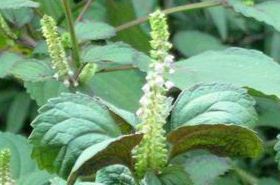
Medicinal Part: The rhizome of the ginger family plant *Zingiber mioga* (Thunb.) Rosc.
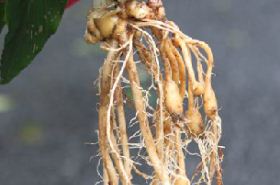
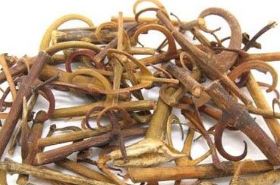
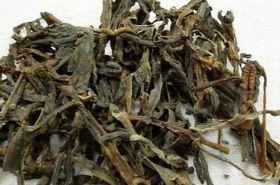
Morphological Characteristics: The rhizome is irregularly elongated and knotted, curved, measuring 6.5-11 cm in length and approximately 1 cm in diameter. Its surface is grayish-brownish yellow with longitudinal wrinkles, and the upper part has multiple enlarged, concave, disc-shaped stem scars. The apex retains leaf sheath residues. Numerous thin, cylindrical fibrous roots are densely distributed around, 1-3 cm in diameter, showing deep longitudinal wrinkles and pale brown short hairs. The texture is soft and pliable, not easily broken. The fractured surface is yellowish-white, with a pale yellow woody core in the center. It has an aromatic scent and a subtly pungent taste.
How to Use Myoga Ginger & Dosage
Internal Use: Decoct for tea, 6-15g; or grind into powder; or squeeze juice from fresh product.
External Use: Appropriate amount, mashed and applied as a poultice; or mash and gargle with the juice, or apply to the eyes.
Preparation: Harvested in summer and autumn, used fresh or sliced and sun-dried.
Benefits & Indications of Myoga Ginger
Functions: Invigorates blood and regulates menstruation, resolves phlegm and stops cough, detoxifies and reduces swelling.
Main Indications: Used for irregular menstruation, painful menstruation (dysmenorrhea), traumatic injuries (such as sprains and contusions), cough and asthma, carbuncles and localized swellings, and scrofula (cervical lymph node tuberculosis).
Contraindications for Myoga Ginger
Avoid cooking in iron vessels. Pregnant women are advised to avoid consumption. Always consult a healthcare professional before use, especially if pregnant or breastfeeding.
Traditional Combinations with Myoga Ginger
1. For traumatic injuries: Take 15-30g of fresh Myoga Ginger rhizome, decoct in water, and drink. Alternatively, dry and grind into powder, mix with yellow wine, and take 9-15g per dose.
2. For lymph node tuberculosis: Take 60g of fresh Myoga Ginger rhizome and 30g of fresh Belamcanda rhizome (*Belamcanda chinensis*). Decoct in water and drink.
3. For finger inflammation: Mash fresh Myoga Ginger rhizome with a little salt and apply externally as a poultice. (Formulas 1-3 sourced from "Common Herbal Medicine of Zhejiang Folk")
Related Discussions on Myoga Ginger
The "Zhejiang Medical Flora" states: "Invigorates blood to relieve pain, resolves phlegm, and detoxifies. Primarily treats abdominal pain due to qi stagnation, stomach pain, traumatic injuries, lower back pain, cervical lymph node tuberculosis, and head carbuncles."
3-Second Self-Test & 30-Second Self-Help
If you're experiencing minor aches from a recent bump or bruise, or feeling some occasional menstrual discomfort, and you're curious about natural approaches, Then take a moment to reflect on your symptoms.
Immediately consider incorporating warmth and gentle massage to the affected area. For deeper understanding and personalized guidance on herbal remedies like Myoga Ginger, always reach out to a qualified TCM practitioner.
References
Studies show *Zingiber mioga* contains beneficial compounds with potential anti-inflammatory properties, supporting its traditional uses. PMID: 26365313
Ginger, a close relative of Myoga Ginger, has been found effective in alleviating symptoms of primary dysmenorrhea, indicating shared therapeutic potentials within the *Zingiber* genus for menstrual health. PMID: 24018944
Research highlights the antioxidative properties and key components present in Myoga (*Zingiber mioga* Roscoe), contributing to its potential health benefits. PMID: 17268482
For informational purposes only. Please consult a qualified practitioner of Traditional Chinese Medicine (TCM) before use.