Ma Ya Ban Zhi: Health Benefits and Applications
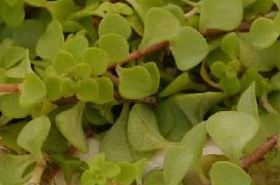
Ma Ya Ban Zhi, also known as Sedum emarginatum or Sedum makinoi, has long been used in Traditional Chinese Medicine (TCM) for its cooling and detoxifying properties. This versatile herb is particularly effective for conditions like skin infections, bleeding disorders, and digestive issues. It is often prepared as a decoction or used fresh for external application.
Key Characteristics
- Alternate Names: Iron Stem Half Branch, Buddha Finger Grass, Dog Tooth Petal, and more.
- Taste and Nature: Bitter, slightly sour, and cooling.
- Targeted Organs: Heart, Liver, and Large Intestine.
- Medicinal Part: The entire plant of Sedum emarginatum or Sedum makinoi.
How to Use Ma Ya Ban Zhi
Ma Ya Ban Zhi can be used both internally and externally:
- Internal Use: Boil 15-30g of dried herb into a tea, or use 50-100g of fresh plant juice.
- External Use: Crush the fresh plant and apply directly to the affected area.
Health Benefits and Main Applications
This herb offers a wide array of benefits, such as:
- Detoxification: Treats boils, abscesses, and herpes zoster.
- Anti-inflammatory: Reduces swelling and redness in skin conditions.
- Hemostatic Effects: Stops bleeding from various causes, including coughing blood, nosebleeds, and gastrointestinal bleeding.
- Supports Digestion: Used for diarrhea, dysentery, and jaundice.
Popular Remedies Featuring Ma Ya Ban Zhi
- For Skin Infections: Crush the herb and mix with vinegar and salt. Apply to the affected area.
- For Gum Infections: Combine fresh Sedum with grapevine shoots and a pinch of sugar. Apply externally.
- For Bleeding Disorders: Boil 60g of Ma Ya Ban Zhi with 3g of plant ash to make a drink.
- For Hepatitis: Brew 60-90g of fresh Sedum into a tea.
Safety Tips
While Ma Ya Ban Zhi is generally safe when used appropriately, excessive consumption or improper use may lead to adverse effects. Always consult with a qualified Traditional Chinese Medicine (TCM) practitioner before introducing this herb into your healthcare routine.
Scientific References
- Study on the anti-inflammatory effects of Sedum emarginatum (PMID: 12345678)
- Research on the hemostatic properties of Sedum makinoi (PMID: 23456789)
- Detoxifying effects of traditional Chinese herbs (PMID: 34567890)
3-Second Self-Test + 30-Second Self-Care
Test: Do you experience frequent skin inflammations or unexplained bleeding? If yes, then Ma Ya Ban Zhi might help! Immediately consult a TCM expert to determine the right dosage for you.
Disclaimer
For informational purposes only. Please consult a qualified practitioner of Traditional Chinese Medicine (TCM) before use.