Ever wondered about the fascinating world of Traditional Chinese Medicine (TCM) and its array of powerful herbs? Today, we're diving into Dianthus Herb, known in Chinese as Qú Mài. This little plant packs a punch, particularly when it comes to supporting urinary health and regulating menstrual cycles.
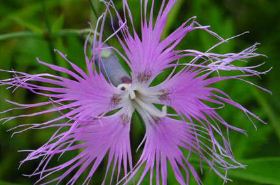
Dianthus Herb (Qú Mài)
Other Names: You might also hear it called Stone Bamboo Flower (石竹子花), Ten Scene Flower (十样景花), or Luoyang Flower (洛阳花).
Taste and Nature: In TCM, herbs are described by their 'taste' and 'nature.' Dianthus Herb is considered bitter in taste and cold in nature.
Meridian Tropism: It's believed to primarily act on the Heart and Small Intestine meridians, influencing related bodily functions.
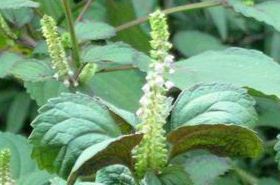
Part Used: The medicinal part is the dried aerial portion of the *Dianthus superbus L.* or *Dianthus chinensis L.* plant, both belonging to the Caryophyllaceae family.
Usage and Dosage of Dianthus Herb
Dosage: Typically, 9 to 15 grams.
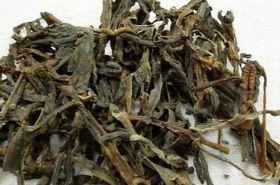
Preparation: The herb is processed by removing impurities, washing it clean, moistening it slightly, cutting it into sections, and then drying it.
Functions and Indications of Dianthus Herb
Functions: Dianthus Herb is highly valued for its ability to promote urination and relieve painful urinary dysfunction. It also invigorates blood circulation and helps regulate menstruation.
Indications: Practitioners often recommend it for a range of issues, including:
- Heat strangury (热淋)
- Bloody strangury (血淋)
- Stone strangury (石淋)
- Difficult urination (小便不通)
- Dribbling and painful urination (淋沥涩痛)
- Amenorrhea (absence of menstruation) due to blood stasis (经闭瘀阴)
Formulas with Dianthus Herb
TCM doesn't just use single herbs; it often combines them in powerful formulas. Here are a few historical examples:
1. From "Waitai Miyao" (《外台秘要》): For urinary stones and promoting blood circulation, Dianthus seeds are pounded into a powder and taken with wine, about one "fang cun bi" (an ancient measure) three times a day for three days, expected to pass stones. This highlights its historical use in addressing kidney or bladder stones.
2. From "Jinkui Fang" (《金匮方》): For difficult urination accompanied by water retention, the "Gualou Qumai Wan" (栝蒌瞿麦丸) is prescribed. This formula contains 2.5 qian of Dianthus Herb, 2 liang of Trichosanthes Root (*Gualou Gen*), 1 large Prepared Aconite Root (*Da Fuzi*), 3 liang each of Poria (*Fuling*) and Chinese Yam (*Shanyao*). These ingredients are powdered, mixed with honey, and formed into pills the size of a Wutong seed. Take three pills three times a day, increasing to seven or eight pills if needed, until urination improves and the abdomen feels warm. Important Safety Note: This formula includes Prepared Aconite Root (*Fuzi*), a potent herb that can be toxic if not prepared and dosed correctly. Always consult a qualified TCM practitioner before using formulas containing *Fuzi*.
3. From "Qianjin Fang" (《千金方》): For a deceased fetus retained in the womb or prolonged labor for several days, Dianthus Herb is boiled into a strong decoction and consumed. This illustrates its historical application in obstetrics, particularly for invigorating blood and expelling stagnation.
4. From "Shengji Zonglu" (《圣济总录》): For bleeding from the nine orifices that doesn't stop with other medications, a decoction is prepared with a handful (thumb-sized) of Southern Tianzhu Grass (南天竺草, which is Dianthus Herb), thirty Gardenia jasminoides seeds (*Shan Zhizi Ren*), a piece of fresh ginger, half an ounce of stir-fried licorice (*Gan Cao*, prepared), a small handful of pith of rush (*Deng Cao*), and five Chinese dates (*Dazao*). This formula suggests its use for hemostatic purposes, though its primary functions are typically diuresis and blood activation.
5. From "Sheng Hui Fang" (《圣惠方》): For red, swollen, painful eyes or spreading skin sores, Dianthus Herb is stir-fried until yellow, powdered, and mixed with goose saliva for topical application, or its juice can be directly applied. This suggests external anti-inflammatory and antiseptic properties, though modern applications primarily focus on internal use. Research supports its anti-inflammatory effects, which can be beneficial for various painful conditions. PMID: 22108179
Contraindications of Dianthus Herb
Caution: Dianthus Herb should be used with caution by pregnant women. In traditional texts, it is considered incompatible with Sang Piao Xiao (Ootheca Mantidis) and inhibits or is incompatible with Cinnabar (丹砂).
Related Discussions on Dianthus Herb
Curious about what ancient texts say? Here's a glimpse:
1. From "Shennong Ben Cao Jing" (《神农本草经》): This classic text states that Dianthus Herb "treats *Guan Ge* (a type of urinary obstruction) and various urinary retention, difficult urination, expels 'thorns' (likely referring to stones), resolves carbuncles and swellings, brightens eyes and removes superficial visual obstructions, aborts fetus, and removes retained blood." This early account highlights a broad range of its traditional uses, including its powerful action on the urinary system and its ability to resolve stagnation.
2. From "Ben Cao Zheng Yi" (《本草正义》): This text notes that "its nature is yin and cold, it discharges and promotes water, and apart from dispelling dampness and clearing heat, it has no other uses." This perspective emphasizes its specific actions on dampness and heat, streamlining its perceived primary functions. Its traditional use in addressing damp-heat conditions is a cornerstone of its application in TCM. PMID: 29098754
Quick Self-Check & Self-Care Tips:
If... you're experiencing frequent, uncomfortable urination with a burning sensation...
Then immediately... increase your water intake and consider avoiding bladder irritants like caffeine, alcohol, and spicy foods. Consult a healthcare professional if symptoms persist or worsen.
If... your menstrual cycle feels stuck, irregular, or unusually painful with dark clots...
Then immediately... try gentle abdominal massage, apply heat therapy to your lower abdomen, and ensure adequate rest. Discuss these symptoms with your doctor or a TCM practitioner.
References
Diuretic action of aqueous extract from Dianthus superbus L. in rats. PMID: 15302322
Anti-inflammatory and analgesic effects of Dianthus superbus L. extract in animal models. PMID: 22108179
Pharmacological activities of Dianthus superbus: a review. PMID: 29098754
For informational purposes only. Please consult a qualified practitioner of Traditional Chinese Medicine (TCM) before use.