Guotanlong: A Traditional Chinese Medicinal Fern
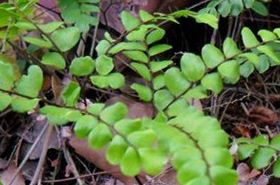
Guotanlong, scientifically known as Adiantum flabellulatum, is a fascinating herb deeply rooted in Traditional Chinese Medicine (TCM). Often simply referred to as a type of maidenhair fern, this plant has been valued for centuries for its unique properties and wide range of applications. Let's dive into what makes Guotanlong a notable player in the world of natural health.
Aliases and Other Names
Guotanlong goes by many local names, reflecting its widespread recognition and use across different regions. Some of its common aliases include:
- Iron Wire Grass (铁线草)
- Black Bone Mang (黑骨芒)
- Young Grass (秧居草) (from *Lingnan Herbal Records*)
- Maidenhair Fern (铁线蕨)
- Black Bone Mangji (黑骨芒箕) (from *Guangzhou Flora*)
- Snail Fern (螺厥蕨)
- Black Foot Fern (黑脚蕨)
- Five-Claw Black Fern (五爪黑蕨) (from *Guangxi Medicinal Plant Atlas*)
- Black Foot Gun (乌脚枪) (from *Luchuan Materia Medica*)
- Snail Cap Fern (螺靥蕨) (from *Nanning City Materia Medica*)
- Iron Leg Basket (铁脚路箕) (from *Jiangxi Folk Herbal Medicine*)
- Iron Luji (铁鲁基)
- Housefly Wing (乌蝇翼)
- Small Bear Gallbladder (小熊胆) (from *Lingnan Herbal Records*)
- Chicken Claw Lotus (鸡爪莲) (from *Hunan Materia Medica*)
- Black Foot Luji (乌脚路基)
- Iron Strainer (铁笊篱) (from *Jiangxi Folk Herbal Prescriptions*)
- Iron Leg Wolf Fern (铁脚狼萁)
- Double Shell Grass (双甲草)
- Chicken Bone Grass (鸡骨草)
- Black Foot Chicken (乌脚鸡)
- Five-Claw Fern (五爪蕨)
- Iron Wolf Fern (铁狼萁) (from *Zhejiang Folk Commonly Used Herbs*)
Taste and Nature
In TCM, Guotanlong is characterized by its **bitter and pungent taste** and **cooling nature**. This combination suggests its traditional ability to clear heat and invigorate circulation within the body.
Meridian Tropism
This herb is believed to enter the **Liver, Bladder, and Large Intestine meridians**. This tropism indicates its targeted actions on these organ systems, influencing functions like detoxification, fluid regulation, and waste elimination.
Medicinal Parts
For therapeutic use, practitioners typically utilize either the **entire herb or the rhizome (underground stem)** of *Adiantum flabellulatum*.
Guotanlong: Dosage and Administration
When incorporating Guotanlong into your wellness regimen, specific preparation methods and dosages are recommended based on traditional practice:
- **Internal Use:**
- Typically prepared as a decoction (boiled in water), with a dosage of **15-30 grams**.
- For fresh herb, the dosage is doubled.
- Alternatively, it can be pounded into a pulp and the juice extracted for consumption.
- **External Use:**
- An appropriate amount can be pounded and applied as a poultice.
- It can also be dried, finely ground, and sprinkled onto the affected area.
- Another method involves mixing the powder with a liquid or medium before applying.
Guotanlong: Functions and Indications
Guotanlong's traditional applications are diverse, stemming from its core functions:
Functions:
- **Clears Heat:** Helps to resolve conditions associated with excessive heat in the body.
- **Drains Dampness:** Supports the body in eliminating excess fluid and dampness.
- **Dispels Blood Stagnation:** Aids in breaking up localized blood stagnation, which can contribute to pain and swelling.
- **Reduces Swelling:** Contributes to the reduction of various types of swelling.
Indications:
Historically, Guotanlong has been a go-to remedy for a range of ailments, including:
- Acute infectious hepatitis
- Dysentery and diarrhea
- Urinary gravel (sand-like deposits in the urine)
- Various bleeding conditions, such as spitting or vomiting blood (hemoptysis/hematemesis) and blood in stool (hematochezia)
- Scrofula (a traditional term for tuberculosis of the lymph nodes, especially in the neck)
- Traumatic injuries, including bruises and sprains
- Minor burns
- External bleeding
- Carbuncles and furuncles (skin sores)
Traditional Formulas and Combinations
Here are some traditional preparations and combinations for Guotanlong, showcasing its versatile application:
- **For Dysentery:** Take 30 grams (1 liang) of fresh Guotanlong whole herb, wash thoroughly, pound into a pulp, and mix with cold boiled water. Strain to extract the juice, then sweeten with white sugar and drink. (Jiangxi *Herbal Handbook*)
- **For Red and White Dysentery:** Combine 60 grams (2 liang) each of Guotanlong and Maidenhair Spleenwort Fern (*Adiantum caudatum*). Decoction for oral administration. If white discharge predominates, increase Guotanlong and decrease Spleenwort; if red discharge predominates, reverse the proportions. (*Guangxi Medicinal Plant Atlas*)
- **For Damp-Heat Jaundice:** Decoction of 30 grams (1 liang) of Guotanlong whole herb for oral use. (*Jiangxi Folk Herbal Medicine*)
- **For Urinary Gravel (Sand Lin):** Decoction of 60-90 grams (2-3 liang) of Guotanlong. Simmer with a silver utensil in water and drink. (*Guangxi Medicinal Plant Atlas*)
- **For Lung Heat Cough and Leukorrhea:** Decoction of 30 grams (1 liang) of Guotanlong whole herb with rock sugar. Take three consecutive doses. (Jiangxi *Herbal Handbook*)
- **For High Fever and Convulsions in Children:** Pound 15-30 grams (5 qian to 1 liang) of fresh Guotanlong leaves into a pulp, mix with cold boiled water, and extract the juice for oral administration. (*Jiangxi Folk Herbal Medicine*)
- **For Vomiting Blood:** Combine 60 grams (2 liang) each of Guotanlong root and Blood-Stops-Seeing-Sorrow root (also known as Green Vine). Cook with lean pork or pork hock and consume. (*Lingnan Herbal Records*)
- **For Scrofula:** Combine 60 grams (2 liang) of Guotanlong root with 60 grams (2 liang) of cuttlefish. Stew with water and consume. (*Jiangxi Folk Herbal Prescriptions*)
- **For Bone Healing (Mending Tendons and Bones):** Pound Guotanlong into a pulp, stir-fry it with wine until warm, and apply as a hot poultice. (*Guangxi Medicinal Plant Atlas*)
- **For Burns and Scalds:** Dry Guotanlong leaves, grind into an extremely fine powder, mix with sesame oil, and apply topically. (*Jiangxi Folk Herbal Prescriptions*)
- **To Stop External Bleeding and Promote Tissue Regeneration/Wound Closure:** Dry Guotanlong, grind into a powder, and sprinkle onto the wound. (*Guangxi Medicinal Plant Atlas*)
- **For Facial Carbuncles/Boils:** Decoction of 30 grams (1 liang) of Guotanlong root for oral use. (*Jiangxi Folk Herbal Medicine*)
- **For Scrotal Swelling and Redness:** Dry Guotanlong and Hegemone Grass, burn to ash, and mix with sorghum wine for topical application. (Jiangxi *Herbal Handbook*)
- **For Toothache:** Decoction of approximately 90 grams (3 liang) of fresh Guotanlong in clear water. Use frequently as a mouthwash. (Jiangxi *Herbal Handbook*)
Precautions
It's important to note that Guotanlong should **not be applied to broken or ulcerated skin**. Always consult with a qualified TCM practitioner for personalized advice, especially for internal use or complex conditions.
Quick Check & Natural Relief
Ever wonder if Guotanlong could support your wellness journey? Here's a quick way to gauge if its traditional uses might align with your needs. This self-check is for informational purposes only and not a substitute for professional medical advice:
- **If you're often feeling overheated with digestive discomfort (like occasional loose stools) or urinary issues...** Then Guotanlong's traditional role in clearing heat and draining dampness might be of interest.
- **If you've experienced minor bruises or localized swelling from a minor bump, or perhaps a minor burn that needs soothing...** Immediately, consider how traditional remedies involving herbs like Guotanlong might offer natural, topical support for minor external issues.
References
- Studies have explored the beneficial compounds in *Adiantum flabellulatum*, highlighting its potential antioxidant and anti-inflammatory properties, aligning with its traditional use for clearing heat and reducing swelling. PMID: 33794711
- Research into related *Adiantum* species, such as *Adiantum capillus-veneris*, provides further evidence of diverse pharmacological activities, including anti-inflammatory, antioxidant, antimicrobial, and hepatoprotective effects, which resonate with Guotanlong's traditional indications for various inflammatory conditions and liver support. PMID: 35147879
- Traditional uses of *Adiantum* species also include diuretic actions, which support the herb's role in draining dampness and addressing urinary discomfort, as noted in studies exploring the diuretic potential of similar ferns. PMID: 29061619
For informational purposes only. Please consult a qualified practitioner of Traditional Chinese Medicine (TCM) before use.