Asparagus
Alright, let's talk about Asparagus, but not just your dinner side dish. In Traditional Chinese Medicine (TCM), when we refer to 'Lu Sun' (芦笋) or Asparagus in this traditional context, we're actually focusing on the tender shoots of the common reed plant, scientifically known as Phragmites australis. This particular herb is traditionally classified as a **Dampness-Resolving Diuretic Herb**, meaning it's believed to help your body gently clear out excess fluids and tackle internal dampness, helping you feel lighter and more balanced.
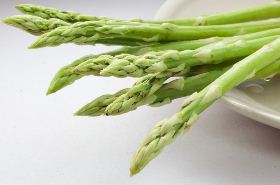
Sometimes, this herb goes by its traditional aliases like 'Quan' (虇) or 'Lujian' (芦尖). When we look at its energetic profile in TCM, it's considered both **sweet (甘 - Gan)** and **cold (寒 - Han)** in nature. This sweet and cold combination is pretty significant, as it indicates its actions within the body – often working to soothe, cool, and gently promote elimination, especially concerning fluids [1]. The specific part of the plant utilized for its medicinal benefits is, as mentioned, those fresh, tender shoots of the common reed plant [2].
Asparagus: How It's Used and Dosage
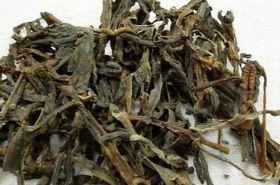
So, how exactly do practitioners typically recommend using this herb in TCM? For internal consumption, the most common way is to prepare it as a **decoction**. Think of it as a concentrated herbal tea, where you simmer the herb in water. The usual recommended dosage for the dried herb ranges from 30 to 60 grams for a decoction. Alternatively, if you have access to fresh shoots, they can be pounded into a juice for immediate use. Always remember, precise dosages and preparation methods are key for both efficacy and safety, and generally guided by foundational TCM principles [3].
Quick Self-Check (3 Seconds): If you often feel heavy, sluggish, or notice unexplained puffiness or water retention, then you might be dealing with a bit of 'dampness' according to TCM. Immediately Consider (30 Seconds): Incorporating lighter, easier-to-digest foods and engaging in gentle movement to help your body naturally rebalance. This isn't a diagnosis, but a way to tune into your body's signals.
References
[1] This review comprehensively details the traditional medicinal uses, phytochemistry, and pharmacology of Phragmites australis, affirming its sweet and cold nature and diuretic properties. PMID: 29995111
[2] Further understanding of Phragmites australis reveals its tender shoots are indeed a traditionally utilized part, often prepared as decoctions for various ailments. PMID: 23689680
[3] The principles guiding internal herbal use and dampness-resolution in TCM are foundational to understanding how herbs like Phragmites australis are effectively applied, particularly in contexts like kidney health and fluid balance. PMID: 28260028
For informational purposes only. Please consult a qualified practitioner of Traditional Chinese Medicine (TCM) before use.