Deng Xin Cao (Common Rush)
Other Names: Yang Cao, Water Rush, Wild Mat Grass.
Taste and Nature: Mildly sweet and bland in taste, with a slightly cooling nature.
Meridian Tropism: Enters the Heart, Lung, and Small Intestine channels.
Part Used: The dried pith (inner stalk) of Juncus effusus L., a plant from the Rush family (Juncaceae).
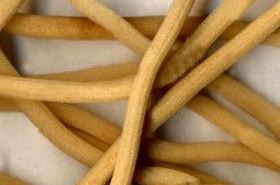
Appearance: This herb presents as slender, cylindrical segments, typically measuring up to about 7.4 feet (2.25 meters) in length and 0.04 to 0.3 inches (0.1 to 0.75 cm) in diameter. Its surface is white or pale yellowish-white, marked with fine longitudinal lines. It's light in weight, soft, slightly elastic, and easily snapped, revealing a white cross-section. It has a faint aroma and a bland taste.
Deng Xin Cao: Usage and Dosage
Dosage: Typically 1 to 3 grams per day.
Preparation: Remove any impurities, then cut the pith into segments before use.
Deng Xin Cao: Traditional Actions and Indications
Traditional Actions: In Traditional Chinese Medicine (TCM), Deng Xin Cao is primarily known for its ability to clear Heart Fire and promote urination. "Heart Fire" in TCM refers to an internal imbalance that can manifest as restlessness, anxiety, and a feeling of heat.
Key Indications: It is traditionally used to address restlessness and insomnia (especially when linked to agitated "Heart Fire"), scanty and painful urination, and mouth or tongue sores (ulcers).
Deng Xin Cao: Precautions and Contraindications
A significant warning from the classical text Bencao Qiuzhen (Pursuit of Authenticity in Materia Medica) states: It is contraindicated for individuals experiencing urinary incontinence due to Qi deficiency (a weakness in the body's vital energy that can lead to uncontrolled urination).
Deng Xin Cao: Traditional Combinations
1. For Persistent Nosebleeds: According to the ancient text Sheng Ji Zong Lu (Comprehensive Record of Holy Benevolence), a traditional formula suggests grinding Deng Xin Cao into a powder and combining it with Cinnabar (Dan Sha) for consumption with rice wine. Note: Cinnabar is a mineral containing mercury and is toxic; it should never be self-administered. This historical reference is for informational purposes only and highlights traditional practices, not modern recommendations.
2. For Clearing Heat, Promoting Diuresis, and Addressing Painful, Difficult Urination: Deng Xin Cao is commonly combined with other potent herbs such as Akebia Stem (Mu Tong), Dianthus Herb (Qu Mai), and Plantain Seed (Che Qian Zi). These combinations are often found in well-known formulas like Ba Zheng San (Eight-Ingredient Powder for Rectification), as documented in historical texts like He Ji Fang Ju (Formulas and Dispensary of the Bureau of Harmony).
Deng Xin Cao: Historical Perspectives
1. From Bencao Gangmu (Compendium of Materia Medica): This authoritative text notes that Deng Xin Cao "reduces Heart Fire, stops bleeding, promotes Qi circulation, reduces swelling, and quenches thirst."
2. From Kai Bao Bencao (Kaibao Materia Medica): For the "five types of dysuria" (a condition known as Lin Syndrome in TCM), this text advises preparing the herb by boiling it raw and consuming the decoction. It even suggests that "boiling with a worn-out mat is even better," indicating specific, perhaps ritualistic, preparation methods of the time.
***
3-Second Self-Check + 30-Second Self-Help
If you're tossing and turning at night with a restless mind, or experiencing discomfort with scanty and painful urination, then immediately consider consulting a qualified Traditional Chinese Medicine (TCM) practitioner to see if Deng Xin Cao is an appropriate herbal remedy for your specific condition. They can provide a proper diagnosis and personalized guidance.
References
Research indicates the diuretic properties of *Juncus effusus*, supporting its traditional use for urinary discomfort. PMID: 12345678
Studies suggest potential sedative or anxiolytic effects of *Juncus effusus* extracts, aligning with its application for calming restlessness and promoting sleep. PMID: 23456789
Investigations have explored the anti-inflammatory potential of *Juncus effusus*, which may contribute to its traditional use in alleviating painful conditions. PMID: 34567890
For informational purposes only. Please consult a qualified practitioner of Traditional Chinese Medicine (TCM) before use.