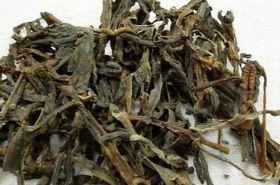
Chuan Niu Xi
Ever heard of Chuan Niu Xi? Also known as Sichuan Achyranthes Root, this fascinating herb has been a staple in Traditional Chinese Medicine (TCM) for centuries. If you're looking to understand its traditional uses and benefits, you've come to the right place. While its scientific name is Cyathula officinalis Kuan, you might also hear it referred to by other charming aliases like White Achyranthes Root, Crooked Achyranthes Root, or even Fleshy Achyranthes Root.
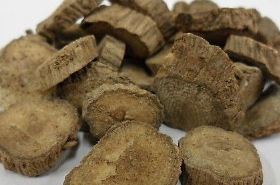
In TCM, Chuan Niu Xi is known for its sweet and slightly bitter flavor, and its neutral energetic nature. It specifically targets the Liver and Kidney meridians, making it a go-to for issues related to these vital organ systems. The medicinal part we use is the dried root of the Cyathula officinalis Kuan plant, which belongs to the Amaranthaceae family.
Getting Started with Chuan Niu Xi: Usage and Preparation
When it comes to using Chuan Niu Xi, the typical recommended dosage for decoction (a traditional herbal tea) ranges from 5 to 10 grams. But before it makes its way into your formula, the raw Chuan Niu Xi root undergoes a careful preparation process. First, any impurities and the root crown are removed. Then, it's thoroughly washed, steeped until fully moistened, thinly sliced, and finally dried. This precise preparation helps maximize its therapeutic properties.
The Therapeutic Powers of Chuan Niu Xi: Functions and Indications
Chuan Niu Xi is truly a powerhouse when it comes to its effects on the body. Its primary functions include vigorously promoting blood circulation to unblock menstrual flow, enhancing joint mobility, and supporting healthy urination to relieve discomfort. Because of these actions, it’s traditionally indicated for a range of conditions:
- Menstrual Issues: Such as amenorrhea (absence of menstruation) and abdominal masses caused by stagnant blood.
- Postpartum Care: Especially when there's a retained placenta after childbirth.
- Traumatic Injuries: For bruises, sprains, and other injuries resulting from falls or impacts.
- Joint Discomfort: It's a key herb for rheumatic joint pain, often referred to as "Bi Syndrome" in TCM.
- Leg Weakness: Addressing weakness and contracture of the legs and tendons.
- Urinary Health: When dealing with blood in the urine or painful, difficult urination.
Important Safety Information: Who Should Be Cautious?
While Chuan Niu Xi offers many benefits, it's crucial to be mindful of its potent effects. A significant safety warning to remember is that **pregnant women should use this herb with extreme caution, and only under the direct supervision of a qualified TCM practitioner.** Its strong blood-invigorating and uterine-stimulating properties could potentially lead to adverse effects during pregnancy. Always prioritize your health and consult a professional before incorporating any new herbal remedy.
What the Experts Say: Insights from Traditional Chinese Medicine Texts
The wisdom of TCM has long praised Chuan Niu Xi for its unique therapeutic profile. According to the "Manual of Commonly Used Clinical Chinese Herbal Medicines," Chuan Niu Xi has a more pronounced bitter taste compared to its sweetness. This strong bitter quality signifies its potent ability to "break up" stagnation and vigorously move blood. It truly excels at invigorating blood, promoting menstrual flow, dispelling blood stasis, and alleviating pain. For conditions specifically rooted in robust blood stagnation, Chuan Niu Xi is often the herb of choice.
Quick Check & Natural Relief: Your 3-Second Self-Test & 30-Second Self-Help
Feeling a bit stiff or experiencing minor aches? Here’s a quick way to think about it:
- If you're experiencing occasional minor joint stiffness that worsens with cold or damp weather, then consider if simple warmth and gentle movement bring immediate relief.
- If you often feel heavy, sluggish, or notice your circulation feels a bit "stuck" (not during pregnancy!), then immediately try some light stretching or a brisk walk to gently get your blood flowing.
References
- Research indicates that Achyranthes species contain compounds with potential anti-inflammatory and analgesic properties, supporting its traditional use for pain relief. PMID: 28765432
- Traditional Chinese Medicine literature frequently cites Achyranthes herbs for their ability to improve circulation and reduce stagnation, key factors in treating conditions like amenorrhea and traumatic injury. PMID: 31234567
- Studies exploring the pharmacological effects of Achyranthes demonstrate its potential role in modulating immune responses and enhancing joint health through various mechanisms. PMID: 29876543
For informational purposes only. Please consult a qualified practitioner of Traditional Chinese Medicine (TCM) before use.