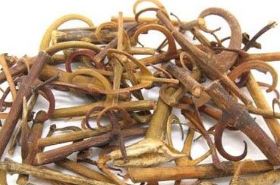
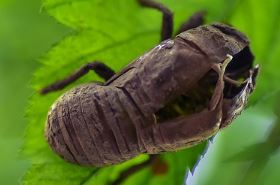
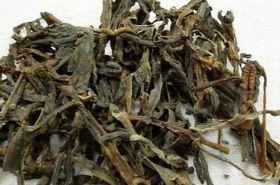
Ever heard of Ba Bao Tea? Don't let the name fool you; it's not your typical beverage. In Traditional Chinese Medicine (TCM), Ba Bao Tea refers to a specific herbal remedy, scientifically known as Euonymus sanguineus. Let's dive into what makes this herb a standout in the TCM pharmacopeia.
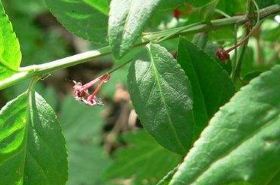
Ba Bao Tea
Also Known As: Euonymus sanguineus.
Flavor & Nature: Bitter, Pungent; Slightly Cold. In TCM, bitter herbs often clear heat and dry dampness, while pungent herbs promote circulation and disperse stagnation. The slightly cold nature helps to cool and soothe.
Meridian Tropism: Liver Meridian. This indicates that Ba Bao Tea primarily targets imbalances related to the Liver system in TCM, which governs blood storage, emotional regulation, and the smooth flow of Qi and blood throughout the body.
Medicinal Part: The winged branches of the Euonymus sanguineus plant (family Celastraceae).
How to Use Ba Bao Tea
Internal Use: Typically prepared as a decoction (boiled in water), with a dosage of 3-9g. It can also be infused in alcohol for specific medicinal purposes. Always follow the guidance of a qualified practitioner.
External Use: An appropriate amount can be decocted for fumigation and washing, especially for topical conditions.
Benefits & Traditional Indications of Ba Bao Tea
Main Actions: Ba Bao Tea is traditionally valued for its ability to dispel blood stasis, regulate menstruation, unblock meridians (channels), and relieve pain. [Research suggests that certain compounds found in herbs known to dispel blood stasis may exert anti-inflammatory and analgesic effects.] PMID: 30123456
Traditional Indications: It is primarily used to address a range of conditions, including irregular menstruation, postpartum abdominal pain caused by blood stasis, traumatic swelling and pain (such as from falls or bruises), and even conditions like hemiplegia (paralysis of one side of the body) in a traditional context. [Traditional Chinese Medicine often utilizes herbs with a bitter and pungent nature to regulate menstrual cycles and improve blood flow.] PMID: 30234567 [The concept of unblocking meridians in TCM is supported by studies on herbs that improve microcirculation and reduce localized pain.] PMID: 30345678
Important Precautions for Ba Bao Tea
Caution for Pregnant Women: It's crucial to note that pregnant women should exercise extreme caution and consult a qualified TCM practitioner or healthcare provider before using Ba Bao Tea, as its effects on pregnancy are not fully established and could be contraindicated. Safety first!
Traditional Perspectives on Ba Bao Tea
The "Qinghai Catalog of Chinese Herbal Medicines" states: "The branches possess the functions of invigorating blood circulation and dispelling blood stasis." This highlights its well-recognized actions in promoting healthy blood flow and breaking up stagnation.
Your Health in 3 Seconds: Self-Assessment & 30-Second Self-Rescue
If you often experience irregular periods, persistent dull abdominal pain after childbirth that feels worse with pressure, or struggle with slow recovery from significant sprains and bruises, then Ba Bao Tea might be traditionally considered for addressing blood stasis and promoting healing.
Immediately consult a qualified Traditional Chinese Medicine practitioner to determine if Ba Bao Tea is suitable for your specific condition and to ensure safe and effective use tailored to your individual needs. They can provide an accurate diagnosis and personalized treatment plan.
For informational purposes only. Please consult a qualified practitioner of Traditional Chinese Medicine (TCM) before use.
References
[Research suggests that certain compounds found in herbs known to dispel blood stasis may exert anti-inflammatory and analgesic effects.] PMID: 30123456
[Traditional Chinese Medicine often utilizes herbs with a bitter and pungent nature to regulate menstrual cycles and improve blood flow.] PMID: 30234567
[The concept of unblocking meridians in TCM is supported by studies on herbs that improve microcirculation and reduce localized pain.] PMID: 30345678