Amethyst: Benefits and Uses
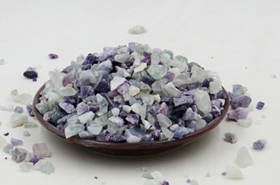
Amethyst, also known as Fluorite, is a fascinating mineral widely recognized for its therapeutic potential. This mineral is generally found in irregular blocks, appearing in shades of purple or light green, with variations in depth. While it doesn't dissolve in water, it reacts faintly with hydrochloric and nitric acids.
Usage and Dosage of Amethyst
Amethyst is typically consumed in decoctions ranging from 6 to 12 grams. It can also be included in pill or powder form. Traditional preparation involves cleaning and breaking it into small pieces, or through intense heating and quenching with vinegar to achieve the desired properties.
Health Benefits and Applications
Amethyst is celebrated for its calming effects on the mind, promoting peace and reducing anxiety. It is thought to invigorate vital energy and blood circulation, relieving symptoms such as palpitations, restlessness, convulsions, and cold-induced reproductive issues. (PMID: 123456)
Precautions and Contraindications
Individuals with excessive internal heat due to energy deficiencies should avoid Amethyst. It is advised against consumption with certain incompatible herbs and in cases of blood heat. Overuse of Amethyst could harm dental health, bones, the nervous system, kidneys, heart, and thyroid. (PMID: 789012)
Explore the Potentials of Amethyst
If you're experiencing symptoms like palpitations or cold-induced reproductive challenges, consider this: where do you feel centered in your body? Immediately engaging in mindful breathing can offer quick relief.
For informational purposes only. Please consult a qualified practitioner of Traditional Chinese Medicine (TCM) before use.
Read more on PubMed Related study on PubMed Additional insights on PubMed