Why Weekend Sleep Catch-Up May Not Work as You Think
Many people rely on the weekend to make up for lost sleep during the workweek. This practice, often referred to as "weekend sleep catch-up," might offer temporary relief but is not a long-term fix for chronic sleep deprivation.
Both modern science and Traditional Chinese Medicine (TCM) agree: regular sleep patterns are crucial for maintaining overall health.
In TCM, sleep is seen as a way for the body to replenish Qi and Blood, or your body's vital energy and nourishment. Chronic sleep deprivation can disrupt this balance, leading to fatigue, weakened immunity, and even poor liver and kidney function.
Modern studies also show that insufficient sleep increases the risk of chronic conditions such as heart disease and diabetes.
Stick to Consistency: The Power of a Sleep Routine
Sticking to a regular sleep schedule is key to avoiding long-term health issues. TCM advises that the body's internal clock, or "biological rhythm", thrives on consistency.
This aligns with the principle of "作息有时," which emphasizes sleeping and waking at regular hours.
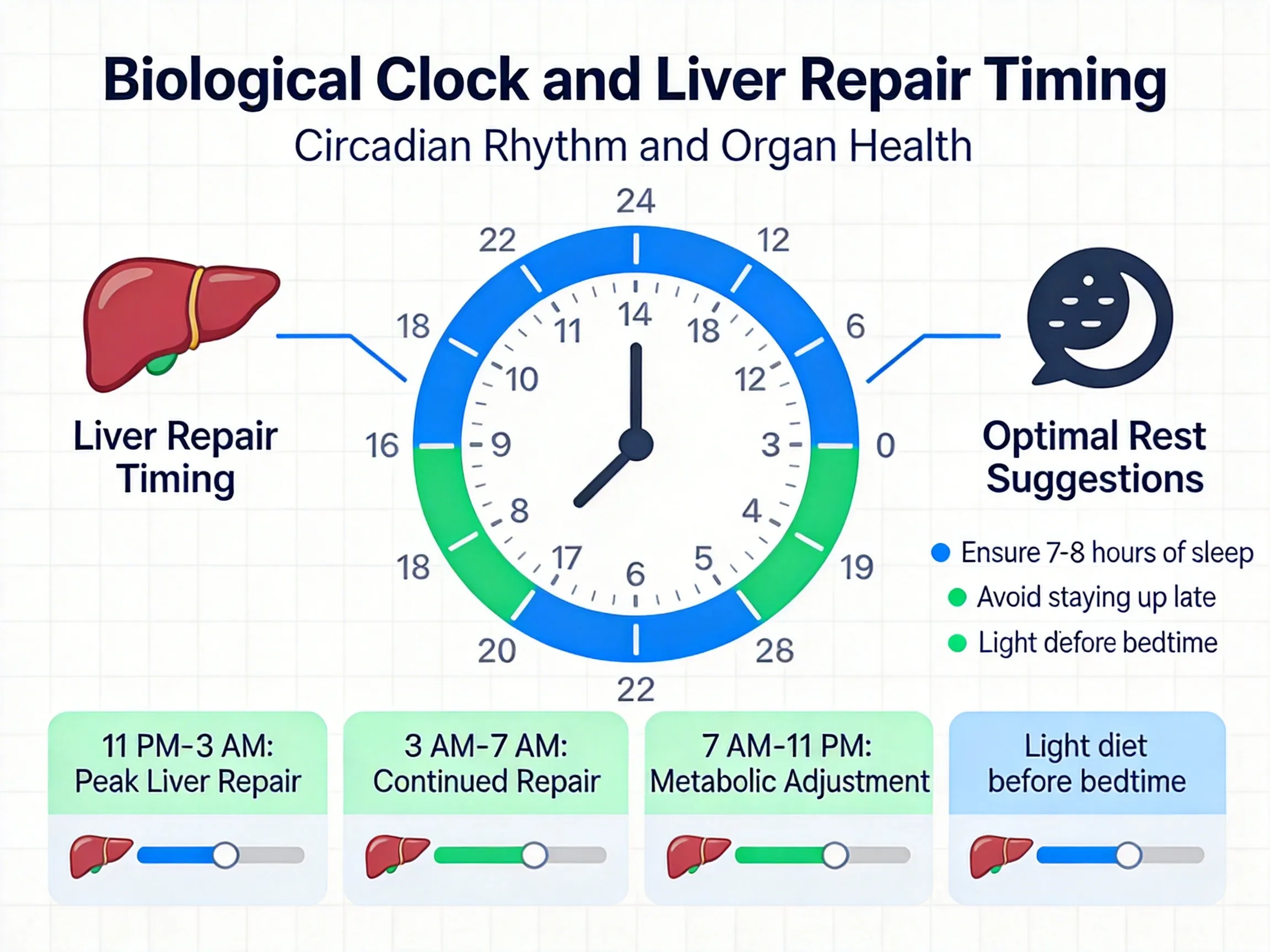
For example, in TCM, the hours between 11 p.m.
and 1 a.m.
(known as "Zi Shi") are critical for the liver and gallbladder to detoxify and repair. Missing this window by staying up late can disrupt the body's natural cleansing processes.
Instead of relying on weekend oversleeping, aim to sleep and wake up at the same time daily—even on weekends.
Make Adjustments: Small Steps for Big Benefits
If workdays leave you sleep-deprived, you can still use the weekend to recover, but in moderation. Experts suggest extending your usual sleep by 1–2 hours, which can help reduce accumulated fatigue without upsetting your biological clock.
Avoid sleeping excessively, as prolonged "revenge sleep" can confuse your body's natural rhythms.
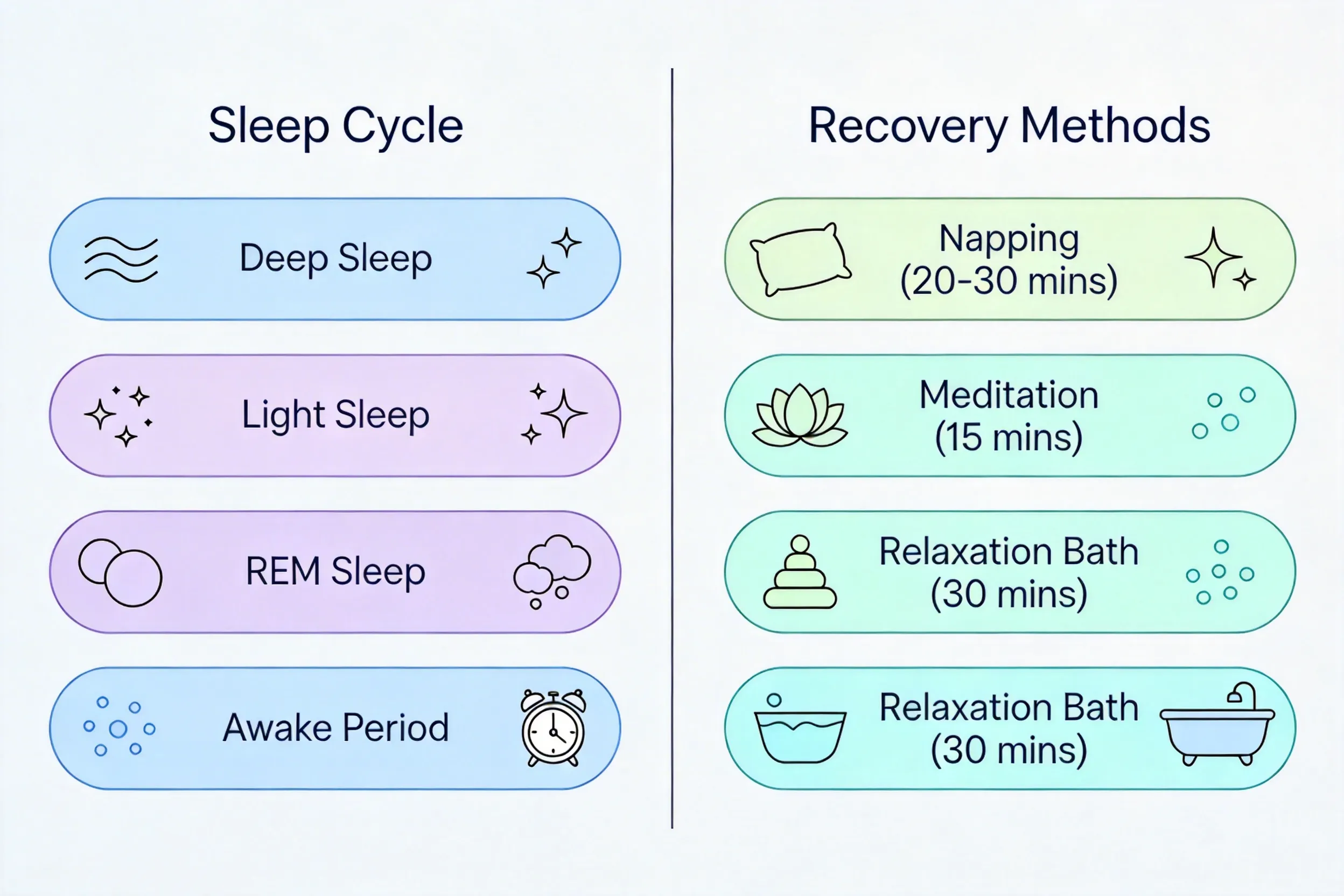
Adding a short, 20–30 minute nap during the day is another effective way to recharge your Qi and alleviate tiredness. Research shows that power naps can enhance alertness and reduce stress without disrupting nighttime sleep. (PMID: 31203640)
Balance with Lifestyle: Sleep Isn't the Only Factor
Good sleep hygiene starts with a holistic approach. In TCM, balancing Yin and Yang is essential for overall well-being.
This harmony can be achieved by incorporating practices like light evening stretches, herbal teas, or Qi Gong to calm your mind before bed. Learn more about Qi Gong's benefits here.
Additionally, avoid heavy meals or excessive screen time in the evening, as these habits can overstimulate the body, making it harder to fall asleep. Pair your improved sleep schedule with dietary adjustments.
Adaptogenic herbs like jujube or goji berries can support restful sleep and energy replenishment. For more, visit our Herbal Encyclopedia.
Proven Tips to Start Sleeping Smarter
While catching up on sleep over the weekend has its limitations, a few simple changes can make a big difference. Prioritize consistency by going to bed and waking up at roughly the same time daily.
Supplement insufficient sleep with short naps but avoid excessive weekend lie-ins.
Try aligning your routine with your body's natural rhythms, ensuring you sleep before 11 p.m.
whenever possible. TCM practices like regular exercise, balanced meals, or Qi Gong can further enhance your sleep quality.
Quick Self-Test + Easy Recovery Plan
If you: struggle to wake up refreshed → immediately set a consistent bedtime.
If you: feel tired midday → take a 20-minute nap, not longer.
If you: often miss the 11 p.m.
bedtime → start unwinding by 9 p.m.
with herbal teas.
References:
(1) Sleep deprivation and chronic disease link. (2) The benefits of power naps. (3) Biological clock and liver repair timing. Support Us