Why Light Therapy Works Wonders for Sleep Improvement
Light therapy, also known as phototherapy, is a simple yet science-backed way to improve sleep cycles. By controlling the timing and intensity of light exposure, it helps reset your body's circadian rhythm—your internal clock that governs sleep and wakefulness.
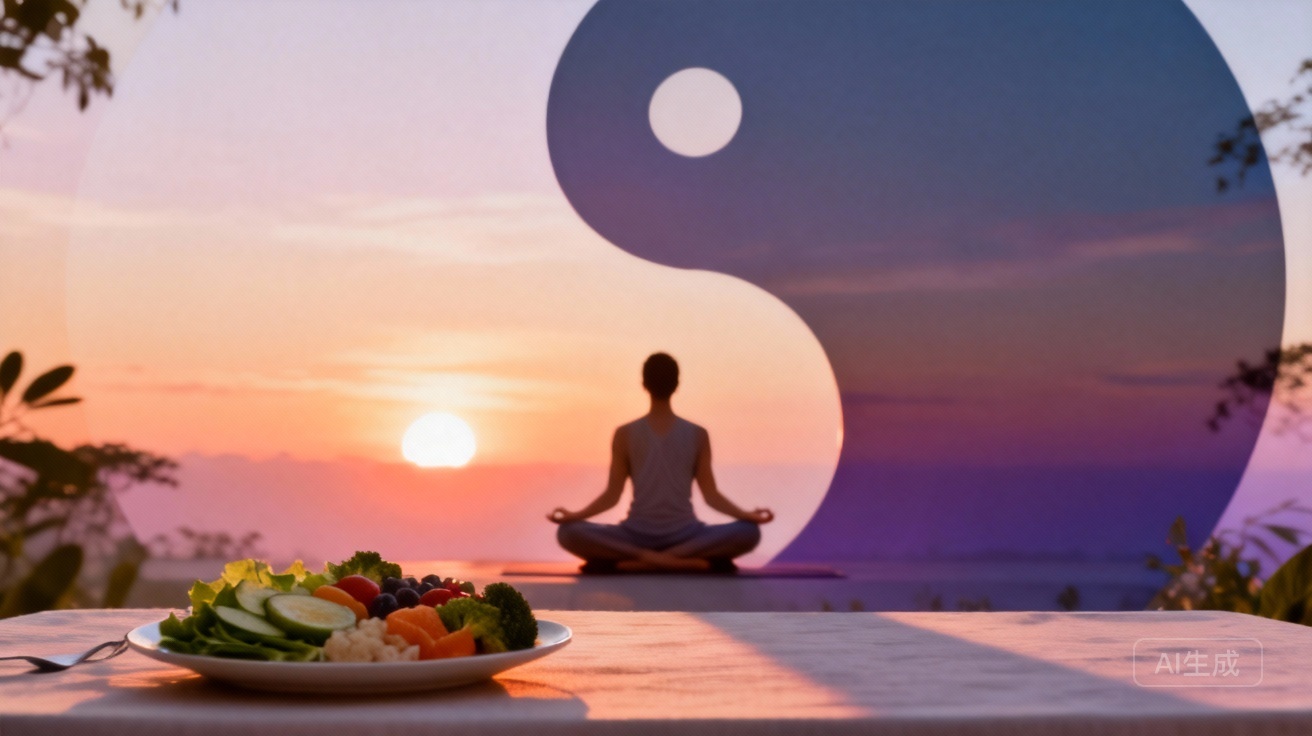
In Traditional Chinese Medicine (TCM), this aligns with the principle of balancing yin and yang, where daytime corresponds to yang (activity) and nighttime to yin (rest). When these energies are out of sync, sleep issues often arise.
In the modern world, artificial light disrupts this balance. Light therapy mimics natural sunlight during the day and minimizes blue light exposure at night, aiding your body in restoring its natural rhythm.
It's like recalibrating your internal system to follow nature's cues.
Start Your Day Right: The Power of Morning Light
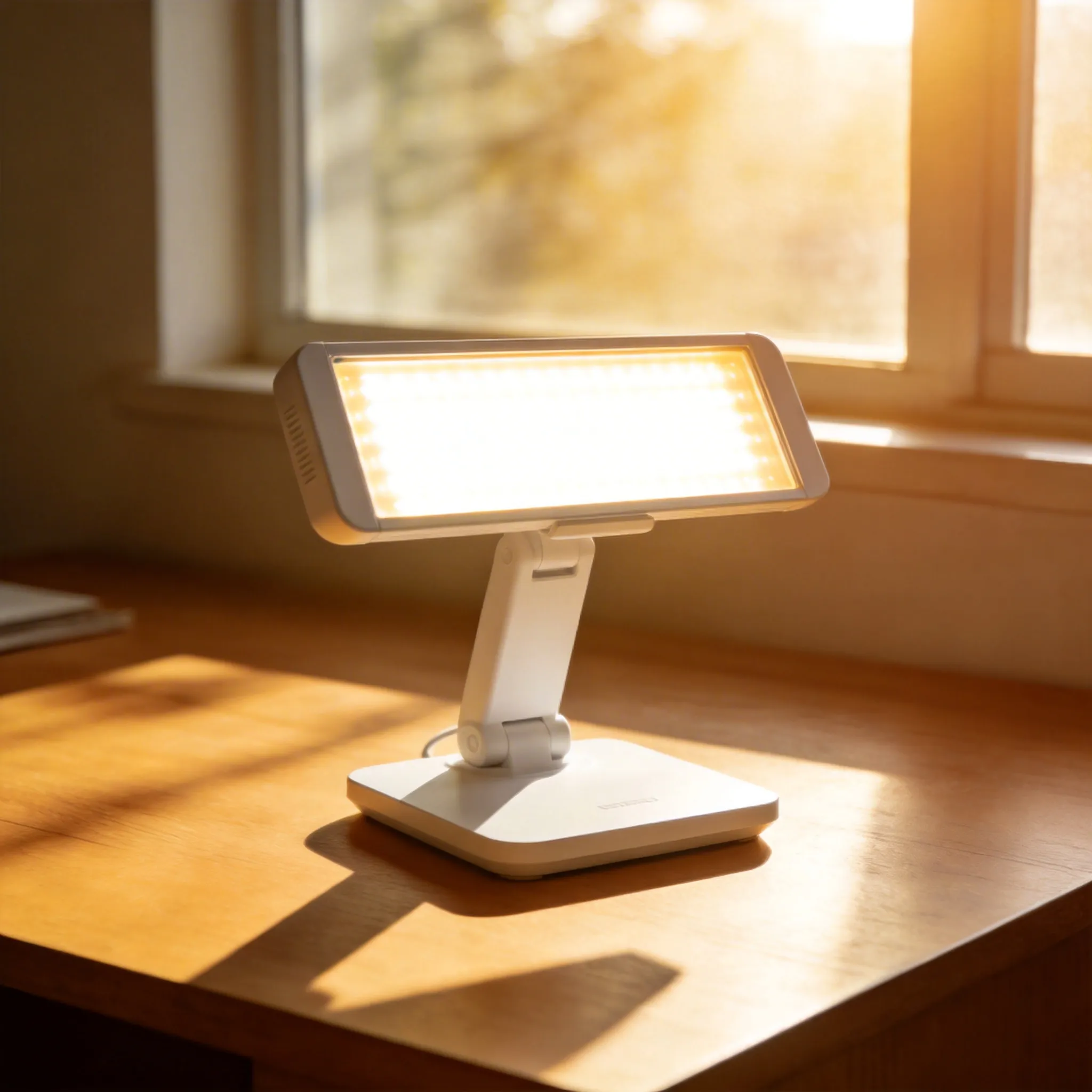
Exposing yourself to bright light in the morning is vital to jumpstart your day. It signals to your body that it's time to wake up, promoting an increase in yang energy—similar to how the sun rises to fuel the earth.
Use a light therapy lamp for 20–30 minutes after waking up. This not only boosts alertness but also shifts your circadian rhythm earlier, helping you fall asleep more effortlessly at night.
For a holistic approach, pair morning light exposure with gentle movement like Qi Gong or Tai Chi to harmonize your body's energy flow (/tcm-basics/qi-gongtai-chi/). Studies show that consistent morning light exposure can improve sleep quality and reduce symptoms of insomnia (PMID: 24131177).
Dim the Lights: Preparing for Rest at Night
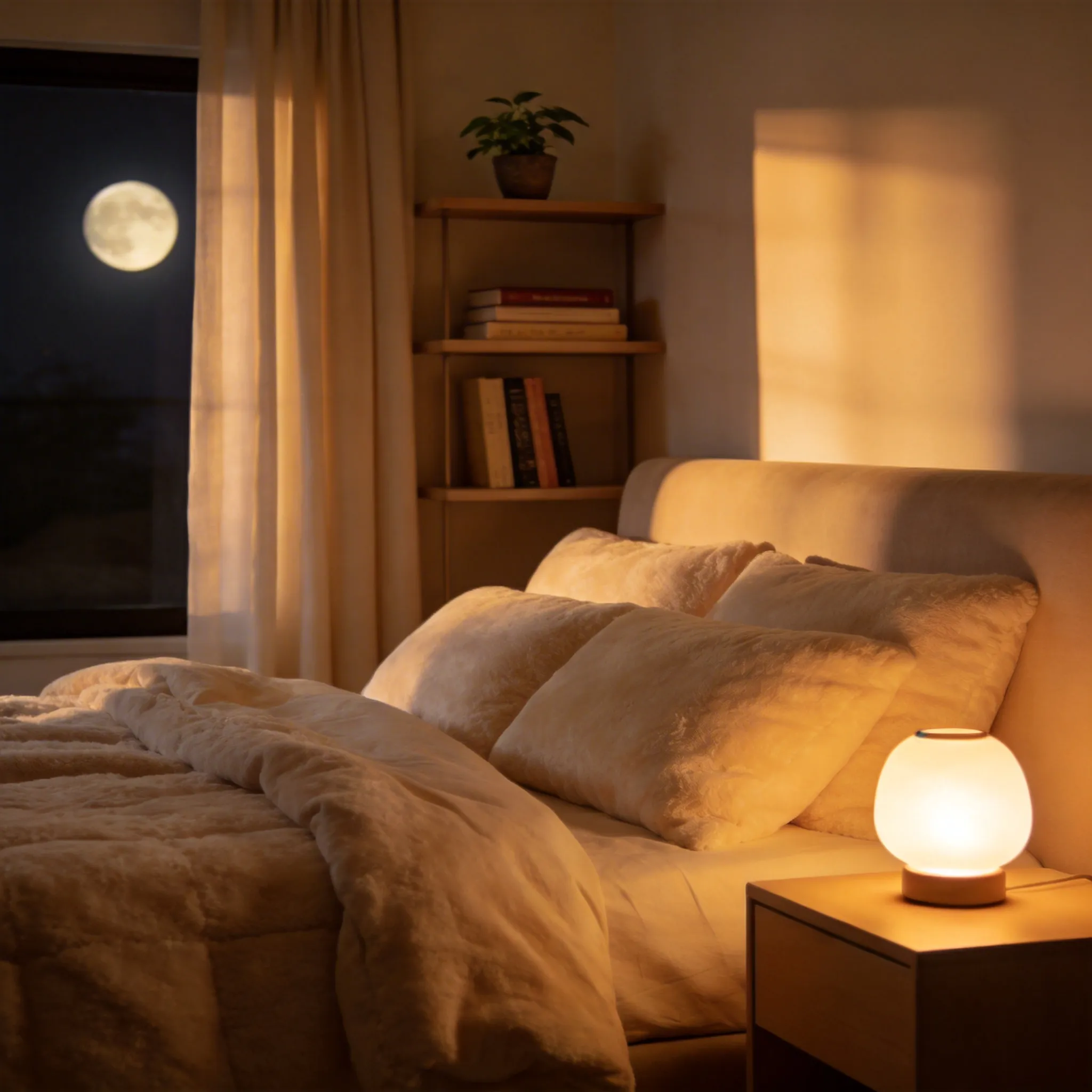
In the evening, it's equally important to limit exposure to bright or blue lights. This supports the body's natural production of melatonin—the hormone responsible for sleep.
Think of this as nurturing your yin energy, creating the perfect environment for rest. Switch to warm, dim lighting at least two hours before bed.
Consider using blackout curtains to block external light and ensure complete darkness in your sleeping space.
Additionally, reducing screen time before bed is crucial. Excessive blue light from phones or laptops confuses your body's internal clock, delaying sleep onset.
Try swapping your nighttime scrolling for activities like reading or meditation to ease into a relaxed state. Learn more about balancing yin and yang to enhance overall health (/tcm-basics/yin-yang/).
Sync with Nature: The Day-Night Connection
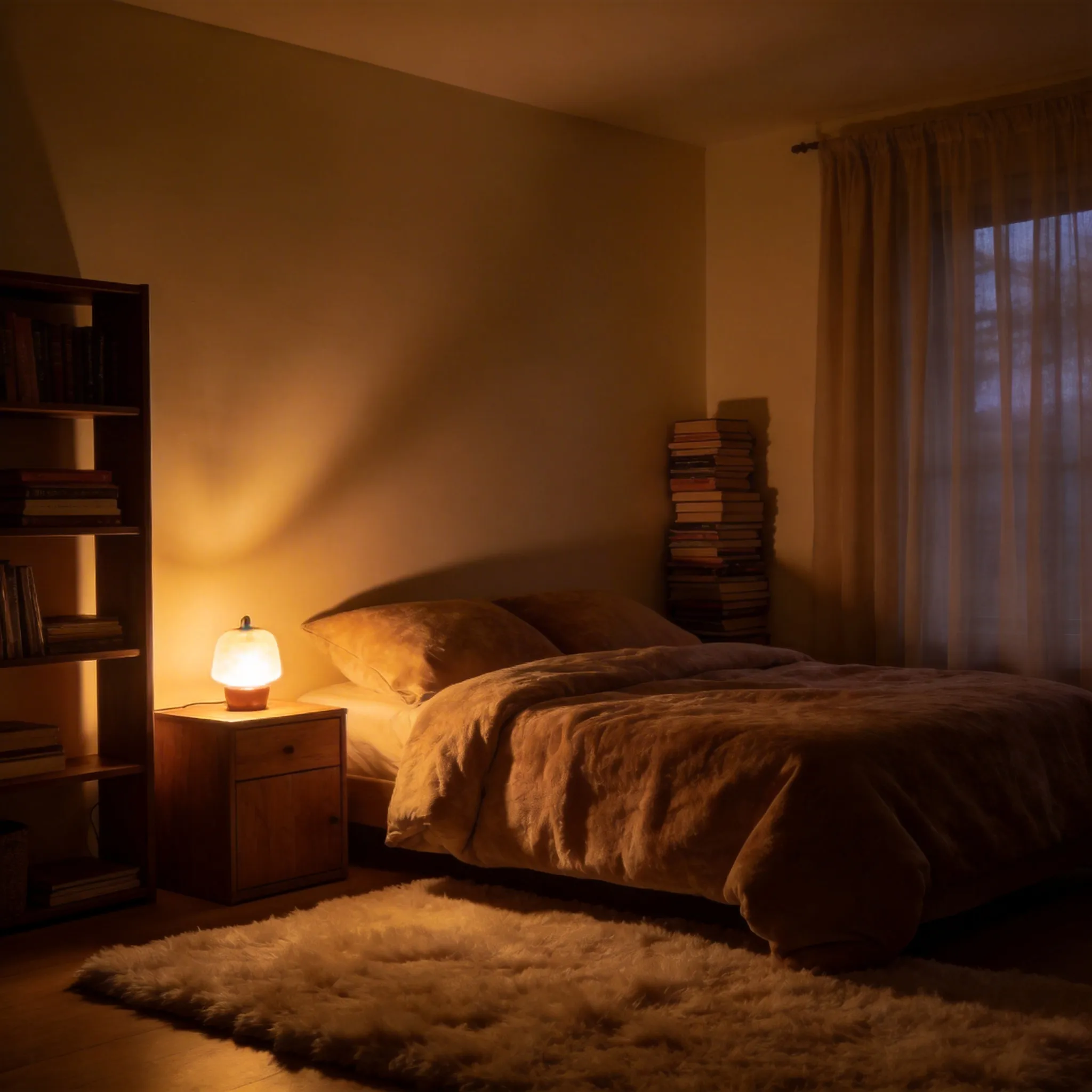
In TCM, the concept of "following nature's rhythm" is foundational. The idea of "waking with the sun and sleeping with the moon" reflects the need for a balance between activity and rest.
Light therapy honors this principle by simulating natural light patterns. For example, a morning walk outdoors not only provides you with natural sunlight but also supports Vitamin D production, which influences your sleep-wake cycle.
If stepping outside in the morning isn't feasible, light therapy lamps are an excellent alternative. These devices replicate the spectrum of natural sunlight, helping your body realign with its biological clock.
For an added boost, consider diet adjustments that support better sleep, like warm herbal teas in the evening (/herbal-medicine/diet-therapy/).
Track Progress: Small Changes for Long-Term Results
The key to effective light therapy is consistency. Use a light therapy lamp daily at the same time, and pair it with habits like maintaining a regular sleep schedule.
Track your progress weekly to see how your sleep improves. Over time, you’ll find that sticking to a natural rhythm not only enhances sleep but also boosts your overall energy levels.
Studies have confirmed that light therapy can reduce the time it takes to fall asleep and improve sleep quality in individuals with disrupted circadian rhythms (PMID: 19851387). It’s safe, non-invasive, and easy to incorporate into your daily routine.
One-Click Test + 30-Second Fix: Take Action Now
If you find yourself tossing and turning at night, ask yourself: Do I get enough morning sunlight or avoid blue light at night? If not → start light therapy today.
Place your lamp by your breakfast table, or dim your screens two hours before bed. These simple changes can immediately help you drift off more easily.