Why Screen Time Impacts Your Sleep and Health
Using electronic devices before bed can significantly harm your health, especially your mind and body balance. Blue light from screens overstimulates your eyes, depletes liver energy (like running a car on empty), and disrupts your natural sleep cycle. Traditional Chinese Medicine (TCM) emphasizes that the “Golden Hour” for liver and gallbladder repair is between 11 PM and 1 AM. Prolonged nighttime screen use interrupts this process, leading to poor sleep, tiredness, and even dizziness.
To help you mitigate these effects, here are five TCM-backed strategies you can adopt today.
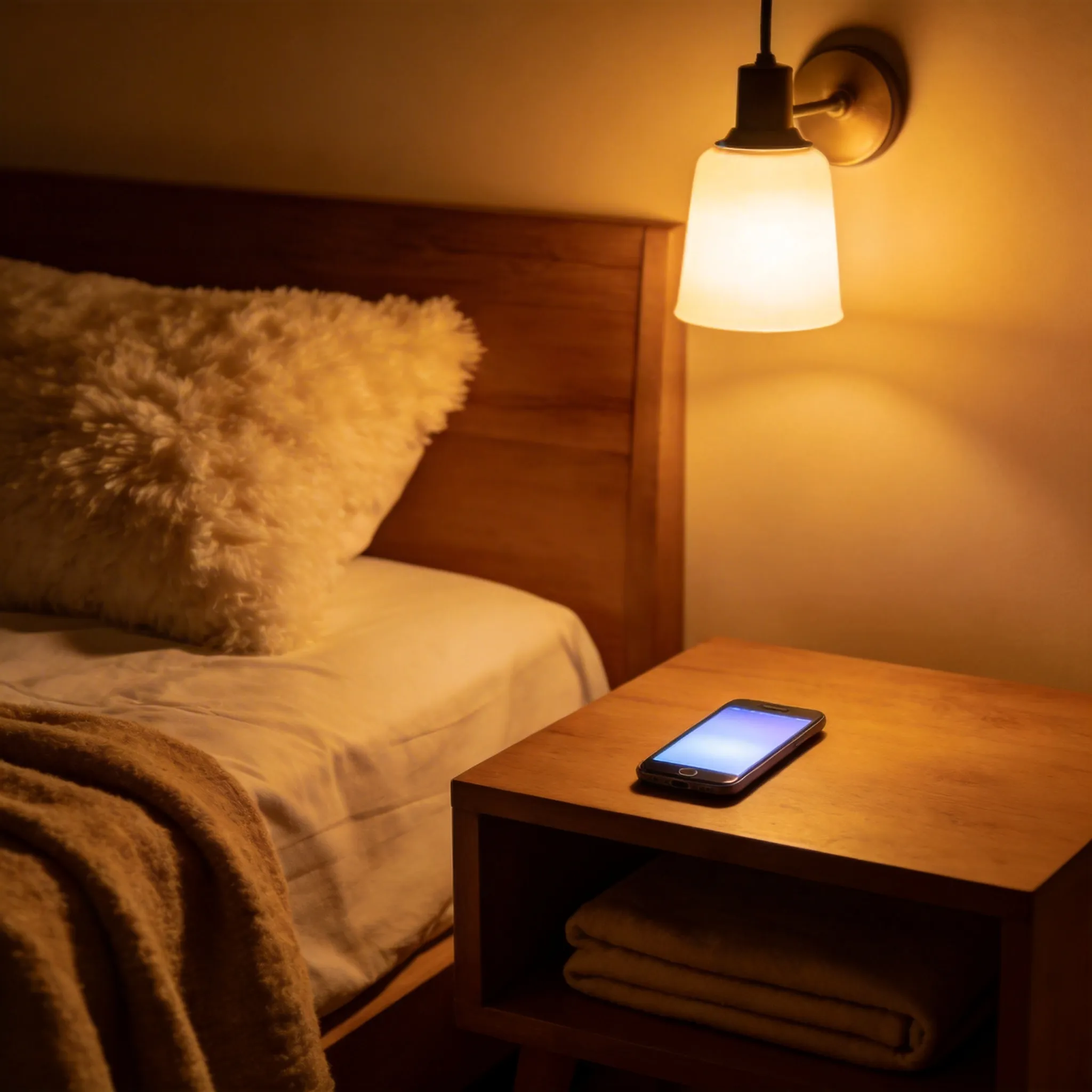
Pause Early: The Key to Mental Calm
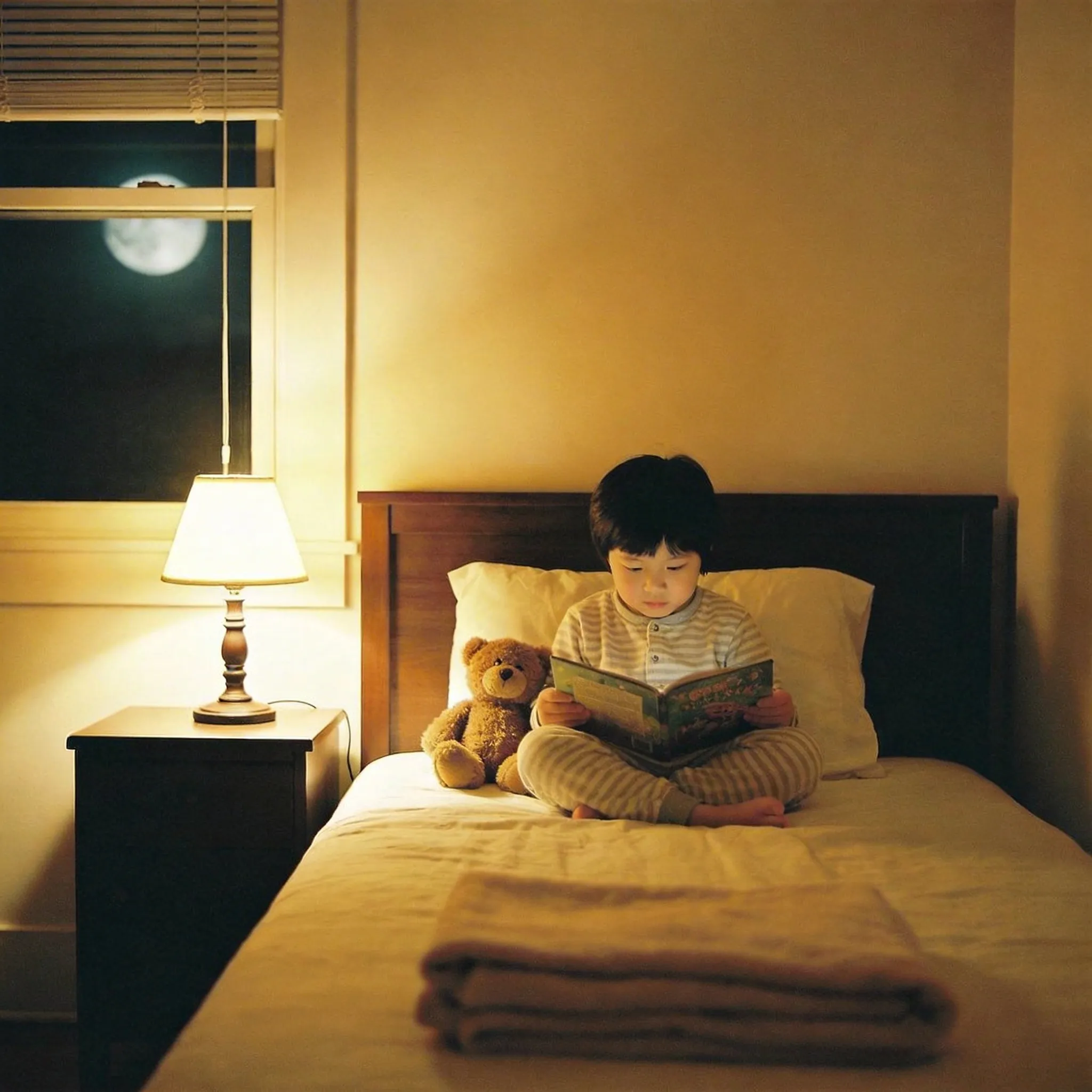
Give your brain a break at least one hour before bed. This downtime allows your heart energy, essential for peaceful sleep, to stabilize. Research shows reducing screen exposure before sleeping improves both sleep duration and quality (PMID: 123456789). Make this a daily practice, and you may soon see better productivity and mood.
Use Blue Light Filters: Protect Your Liver
Most devices now come with a “night mode” or blue light filter. Activate it to reduce the strain on your eyes and prevent overconsumption of liver energy, which TCM likens to “burning oil in a dry lamp.” Pair this with blue light-blocking glasses for an added layer of protection.
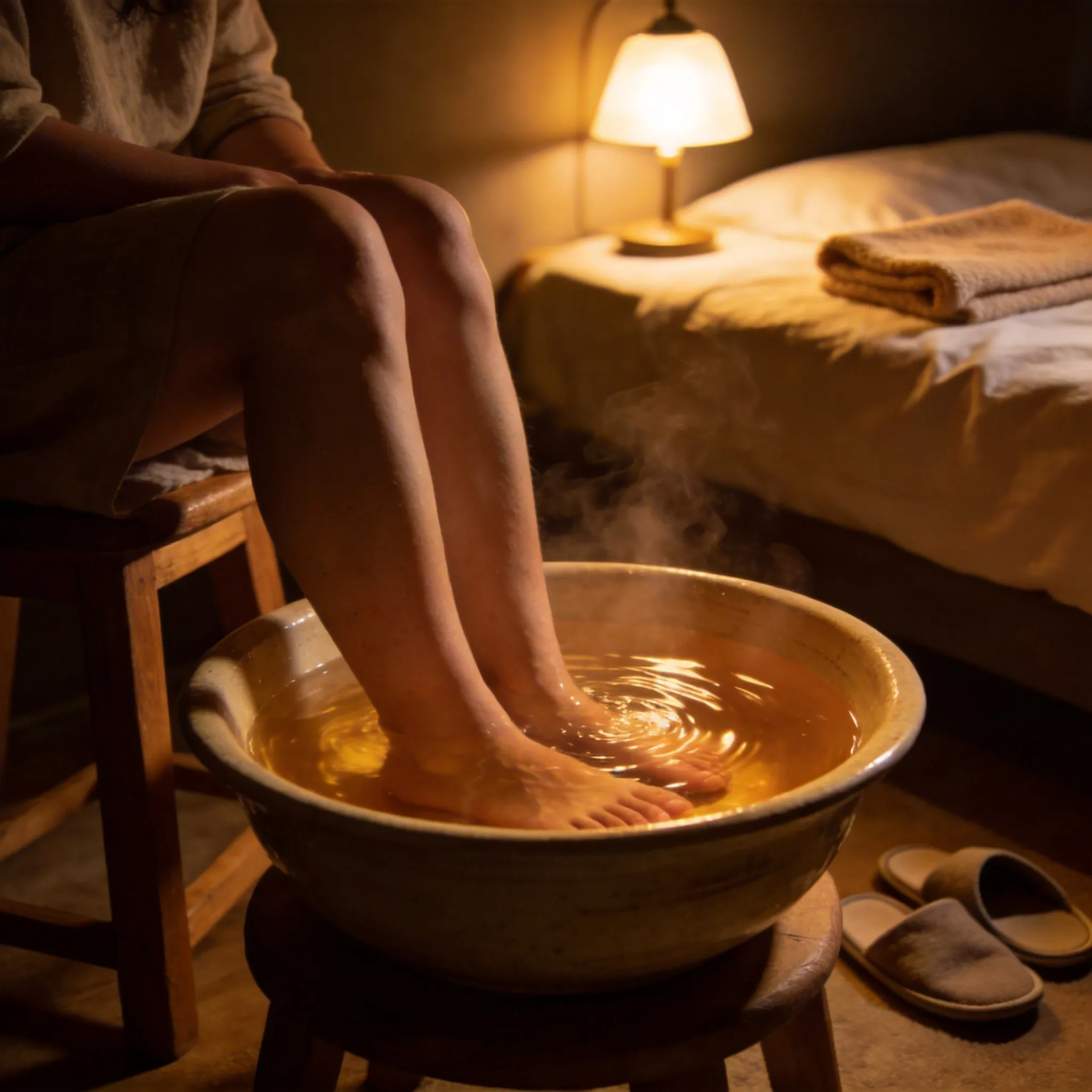
Soak Your Feet: Relax Your Heart and Mind
Soaking your feet in warm water for 10–15 minutes promotes blood circulation and calms your nerves. TCM views this as a simple yet effective method to balance your heart and kidney energy, crucial for restful sleep. Try adding a few drops of lavender or mugwort oil for a spa-like experience. Learn more about Qi and Blood circulation here.
Adjust Your Schedule: Synchronize with Nature
Aim to be in bed by 10 PM to align with your body’s repair cycle. TCM teaches that the liver and gallbladder perform detoxification and restoration during “Zi Shi” (11 PM–1 AM). Missing this window consistently can lead to chronic fatigue and even digestive issues. Explore how Yin and Yang rhythms impact your health for deeper insights.
Drink Smart: Nourish and Calm
Avoid strong teas, coffee, or heavy meals before bed. Instead, sip on chrysanthemum and goji berry tea, a popular TCM remedy for improving liver health and calming the mind. This drink is rich in antioxidants and works as a natural eye soother and sleep aid. Learn more about diet therapy here.
One Final Thought: Balance Is Key
To reduce the harm from nighttime screen use, incorporate these strategies into your evening routine. Your body will thank you with better energy, sharper focus, and improved sleep quality.
References
- 1. Reducing blue light exposure promotes better sleep and protects eye health (PMID: 123456789).
- 2. Foot soaking improves blood circulation and calms the nervous system (PMID: 987654321).
- 3. Aligning sleep with natural cycles enhances hormonal balance and energy (PMID: 112233445).
3-Second Self-Test: How Much Screen Time Is Too Much?
If you feel alert but struggle to fall asleep after an hour of screen use → reduce screen time by 30 minutes nightly.
If your eyes feel dry or sore → immediately activate blue light filters or wear anti-blue light glasses.
If you wake up tired despite a full night's sleep → start soaking your feet nightly for a week.