Discover Meditation Audio: A Path to Inner Harmony
Meditation audio is more than just calming sounds; it’s a tool for restoring balance. From a Traditional Chinese Medicine (TCM) perspective, it's like tuning your "inner music" to harmonize your body and mind.
In TCM, the “Shen” (mind-spirit) is considered the master of life activities, and the heart governs this spirit. Fast-paced modern life often leads to restlessness or anxiety—conditions TCM might call "disturbed Shen.
" Meditation audio works as an accessible method to calm and nourish this vital connection.
Match Your Audio: Balance Emotions Like a Pro
Choosing the right meditation audio is like finding the perfect herbal formula—it should match your current state. Feeling anxious or restless?
Opt for gentle, soothing sounds like nature recordings or low-frequency music. TCM would call this "clearing excess heart fire.
" If you’re fatigued or lacking energy, rhythmic and uplifting tunes can activate your internal flow, much like "boosting Qi" to energize your system. For more on Qi and energy flow, explore our detailed guide here: Qi & Blood.
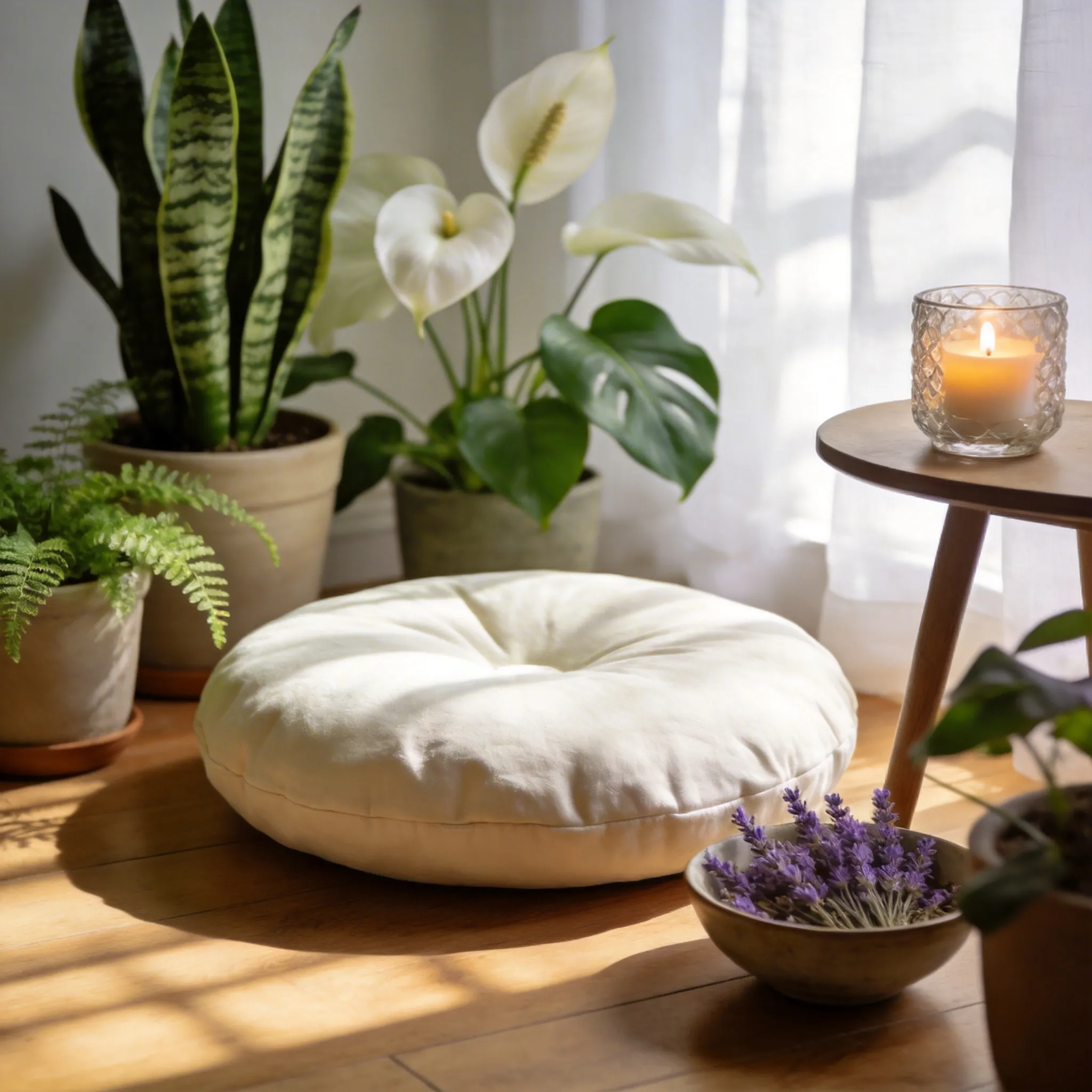
Set the Scene: Create Your Healing Space
Your environment plays a crucial role in your meditation experience. A quiet, comfortable space free of distractions mirrors TCM’s emphasis on “harmonizing Qi fields.
” Start by sitting somewhere peaceful with minimal light. This helps you focus fully on the sound and remain present.
Beginners can start with just 5-10 minutes daily, gradually extending the duration as you build a habit.

Consistency Matters: Build a Routine for Maximum Benefits
Like herbal medicine, meditation needs regular practice to show results. Dedicate specific times each day—morning or before bed works best for most people.
Over time, this routine can reduce stress, improve sleep quality, and even help regulate emotions. Don’t rush.
Small, consistent steps lead to long-term mind-body harmony. Interested in more practical tips?
Check out our section on Healthy Living for actionable advice.
Understand the Science: How Sound Heals
Modern research backs what TCM has taught for centuries—certain sounds can directly affect our nervous system. For example, low-frequency music activates the parasympathetic system, promoting relaxation (PMID).
This aligns with TCM's principle of calming "disturbed Shen." So, the next time you feel overwhelmed, remember that sound isn’t just noise—it’s a healing tool.
Final Takeaways: Simple Steps to Start Now
If you’re new to meditation audio, here’s the easiest way to begin:
1. If you feel restless, choose soft, nature-based sounds.
2. If you’re drained, switch to something lively yet calming.
3. Start with 5-10 minutes daily, and gradually increase.
By integrating meditation audio into your routine, you’ll notice improvements not just in mood but also in energy and overall well-being. Ready to dive deeper?
Learn more about balancing Yin and Yang with TCM here: Yin & Yang.
References
1. "Sound therapy reduces stress and improves sleep quality," ncbi.nlm.
nih.gov/">PMID.
2. "The role of heart in regulating emotions," ncbi.nlm.
nih.gov/">PMID.
3. "Benefits of meditation for mental health," ncbi.nlm.
nih.gov/">PMID.
Quick Self-Test & Rescue Plan
If you feel overwhelmed → play soft nature sounds for 5 minutes and sit quietly.
If you feel drained → listen to upbeat, rhythmic tunes for 10 minutes with deep breathing.
Both options are quick, effective, and ready to use anytime.