Discover How Temperature Impacts Sleep: A Yin-Yang Perspective
The connection between temperature and sleep quality is often overlooked, yet it plays a crucial role in ensuring restful nights. According to traditional Chinese medicine (TCM), sleep is deeply tied to the balance of Yin and Yang—the "cool" and "warm" energies in your body.
At night, Yin dominates while Yang retreats for recovery. However, environmental temperatures that are too high or too low disrupt this harmony.
For example, excess heat can cause "heart fire," leading to restlessness and night sweats. On the other hand, cold temperatures may slow down your body's energy flow, resulting in discomfort and poor-quality sleep.
Adjust Bedroom Temperature: Easy Wins for Better Rest
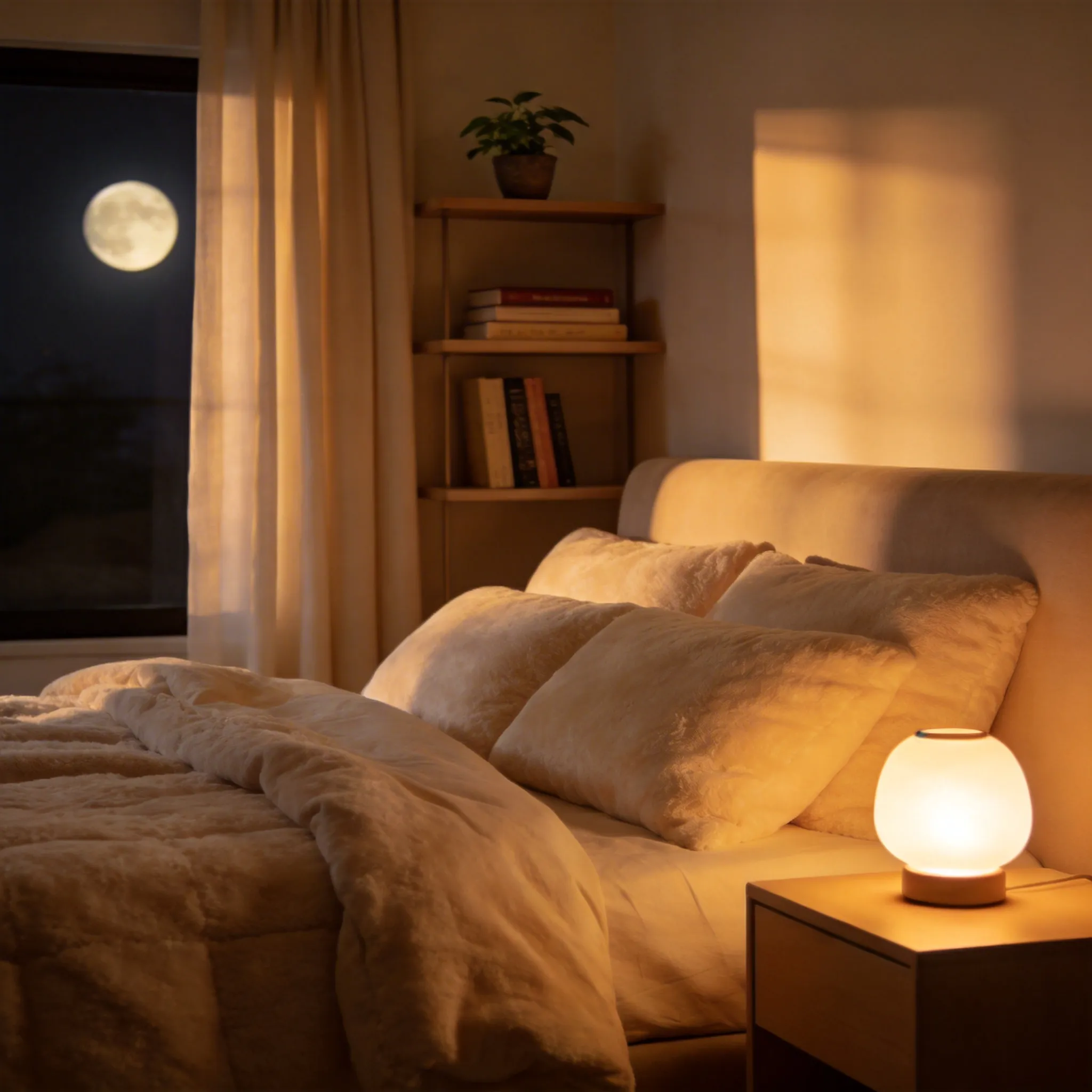
Your bedroom environment plays a pivotal role in maintaining TCM's "Heaven-Man Harmony," a concept that aligns the body with nature. Experts recommend keeping room temperatures between 64–72°F (18–22°C) for optimal comfort.
This range supports the natural flow of Qi and blood—essential for relaxation and recovery. If you often wake up feeling too warm or cold, consider layering your bedding or investing in breathable fabrics.
These small adjustments can significantly enhance your sleep experience.
For those prone to cold extremities, a warm foot soak before bed can improve blood circulation and promote warmth. Learn more about boosting circulation through natural practices in our Qi & Blood guide.
Practical Tips Backed by TCM: Stay Comfortable Year-Round
Maintaining a balanced body temperature isn't just about the thermostat. TCM encourages tailoring your habits to seasonal changes.
For example, wearing loose, breathable pajamas can prevent overheating in summer. In winter, adding an extra blanket or using a heating pad can counteract cold-induced "Qi stagnation," which feels like a traffic jam in your body's energy flow.
Layer Smartly: Comfort Meets Energy Balance
Choose bedding that matches the season. Lightweight blankets are ideal for summer, while thicker, insulating layers work better in winter.
Avoid synthetic fabrics that trap heat or moisture. Instead, opt for natural fibers like cotton or bamboo for improved temperature regulation.
These tips align with TCM's "nourish Yin and protect Yang" principles, promoting both comfort and internal balance.
If you're curious about how seasonal shifts affect your overall health, explore our Five Elements seasonal guide.

Why Sleep Temperature Matters: Science Meets Tradition
Modern research echoes TCM's insights on temperature and sleep. Studies show that an optimal sleeping temperature not only enhances sleep quality but also supports overall health (PMID: 27621455).
For instance, cooler environments help the body release melatonin, the sleep hormone, more effectively. Meanwhile, staying too warm at night can lead to disrupted sleep cycles, mimicking the effects of "Yang excess" described in TCM.
Track and Adjust: A Personalized Approach
If you're unsure about your ideal sleep temperature, start by experimenting. Use a smart thermostat or temperature-adjustable bedding.
Monitor how your body feels after each adjustment, making changes as needed. For additional support, consider integrating sleep-supportive herbs like chamomile or jujube, commonly used in TCM.
Check our Herbal Encyclopedia for more details.
References:
- Temperature and Sleep: "Cooler environments enhance melatonin production." Link
- Yin-Yang Balance and Restorative Sleep: "Harmony promotes physical and mental health." Link
- Seasonal Adaptation in TCM: "Adjust habits to align with nature." Link
Quick Test + Easy Fixes: Sleep Better Tonight
If you often wake up sweating → lower your room temperature by 2°F immediately.
If your feet feel cold before bed → soak them in warm water for 10 minutes.
If adjusting the thermostat isn’t enough → try layering breathable bedding or pajamas.
These quick tweaks are simple, cost-effective, and rooted in both science and TCM principles. Share this with a friend who could use a better night's sleep!