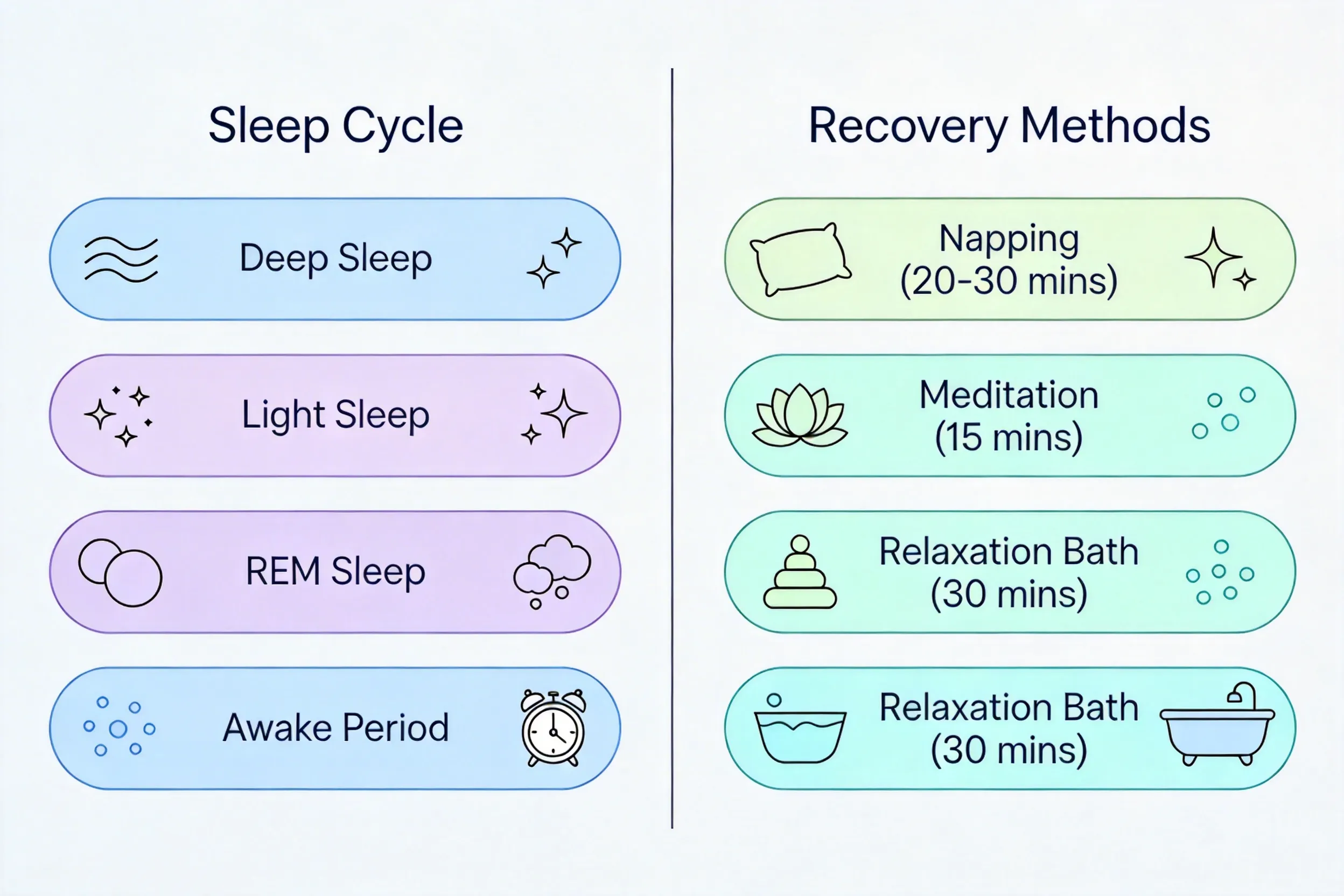
Why Gradual Sleep Training Works for Kids' Health
Building healthy sleep habits is essential for children’s growth and development. According to Traditional Chinese Medicine (TCM), sleep reflects the balance of yin and yang—two complementary forces in the body.
Poor sleep disrupts this balance, leading to issues with qi and blood (think of it like a body-wide traffic jam) that can hinder immunity and growth. Gradual training offers a gentle way to adapt kids to consistent sleep patterns.
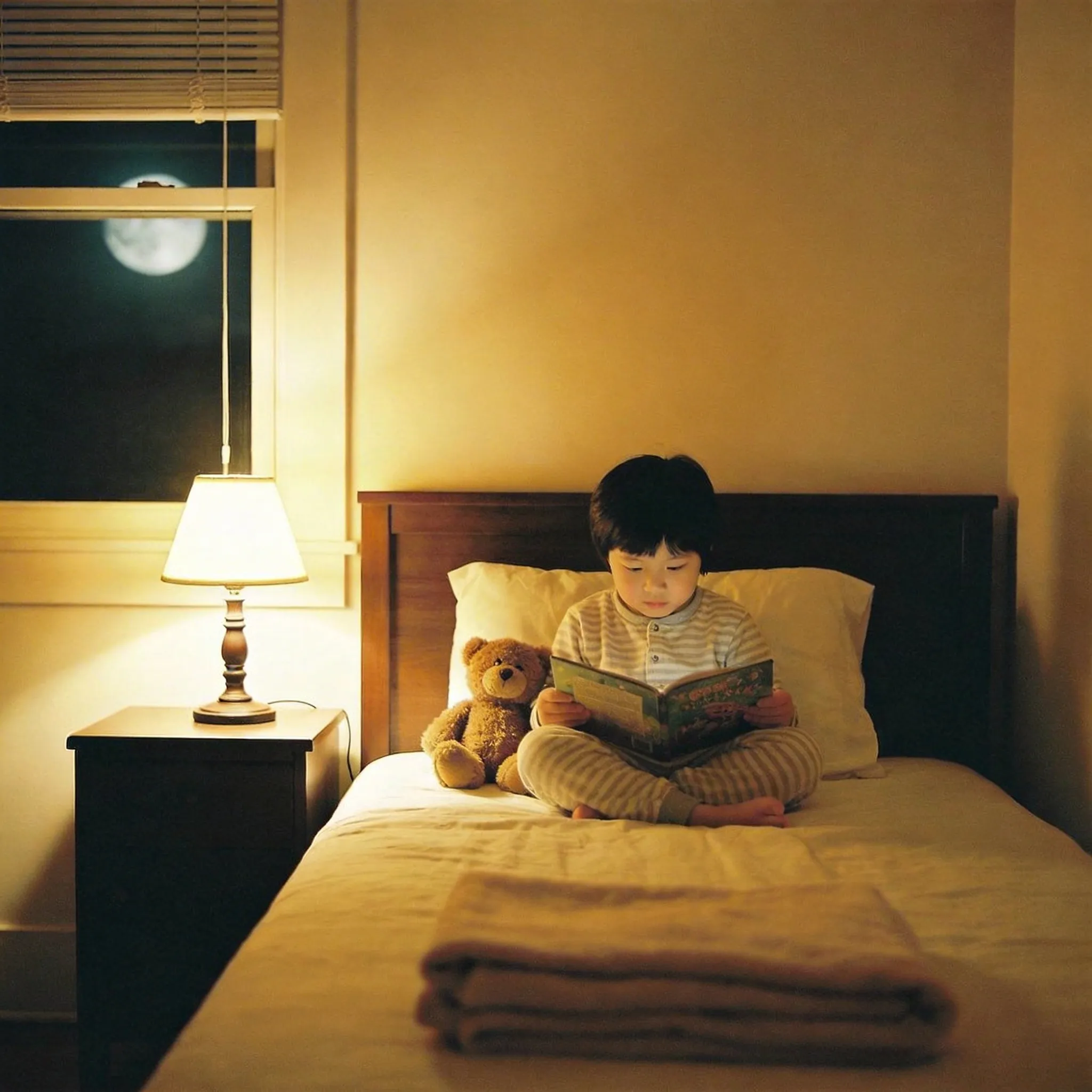
This approach allows parents to slowly adjust their child’s routine, ensuring long-term success without overwhelming them. Let’s break it into actionable steps that you can easily follow.
Set Consistent Bedtimes: Sync with Nature for Better Rest
The first step is sticking to a routine. Have your child go to bed and wake up at the same time every day.
In TCM, this aligns with the concept of "following nature's rhythm"—resting when it’s dark and waking with the sunrise. This regularity helps regulate their internal clock, promoting a smoother balance of yin and yang.
A consistent bedtime reduces resistance and makes falling asleep easier over time. Even on weekends, consistency matters.
Missing it? Start small by shifting bedtime 15 minutes earlier each day until you hit your target.
Dim Lights, Calm Minds: Why Environment Matters
Creating a peaceful environment is key for better sleep. TCM emphasizes that "a calm heart enables good rest.
" Keep the room quiet, dim the lights, and ensure the temperature is comfortable. Avoid using screens or leaving TVs on, as they overstimulate the brain.
Consider using blackout curtains or white noise machines if your house tends to be noisy. The goal is to make your child associate their bedroom with relaxation and sleep, not play or distraction.
Smart Snacks: What to Eat (and Avoid) Before Bed
Diet plays a surprising role in sleep quality. Don’t let your child consume heavy, greasy foods or caffeinated drinks before bedtime.
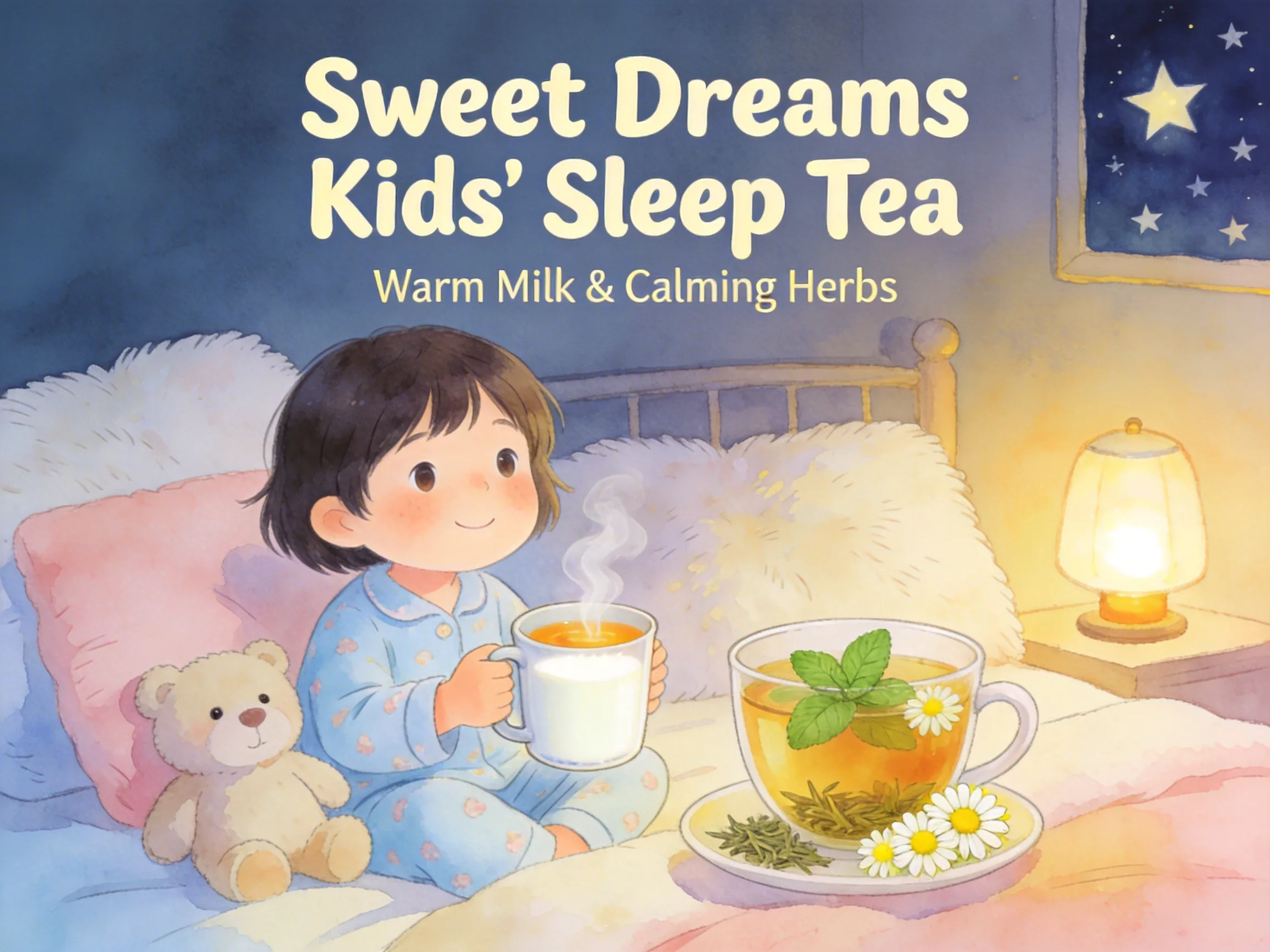
Instead, offer a light snack like a warm glass of milk. For a TCM twist, try brewing herbal teas like jujube and chrysanthemum—both are known for their calming properties (source: Herbal Encyclopedia).
Avoid sugary snacks, which can cause spikes in energy. A peaceful digestive system leads to a peaceful mind, setting the stage for restful sleep.
Encourage Independent Sleep: Start Small, Stay Patient
If your child relies on you to fall asleep, gradual independence is key. Begin by sitting at the bedside but reducing your time there nightly.
Eventually, just tuck them in and step out. This teaches self-soothing, a valuable skill for emotional and mental growth.
Patience is crucial here. Celebrate small wins, like them staying in bed without calling out, to build confidence.
Add Relaxation: Gentle Activities for a Calm Mind
Incorporate relaxing pre-sleep rituals. TCM values "moderation between activity and rest"—a light massage or storytelling session can help wind them down.
For instance, gently rub their belly clockwise to support digestion or press the foot’s Yongquan point for relaxation (Acupoints & Meridians).
Avoid high-energy games or stimulating shows before bed. The goal is to transition their energy from active to calm, preparing them for sleep naturally.
Make Small Changes, See Big Results
Gradual sleep training doesn’t just help your child sleep better—it boosts their immunity, emotional stability, and physical growth. By following these steps, you’re providing them with a foundation for lifelong health.
References:
1. Sleep and immune function: The connection between rest and resilience (
ncbi.nlm. nih. 3. Role of circadian rhythms in pediatric health (If your child stays awake for hours → dim the lights and set a consistent bedtime. If they wake up multiple times a night → try a bedtime massage or herbal tea. If they resist sleeping alone → sit by their bed, then leave a few minutes earlier nightly. With these simple adjustments, restful nights are just a few steps away. Share this with other parents who need a sleep boost!