Xiao Feng Tang: Usage and Dosage
Hey there! If you're looking into traditional Chinese medicine (TCM) for conditions like nerve pain, you might have come across "Xiao Feng Tang." Let's break down how this classic formula is typically used.
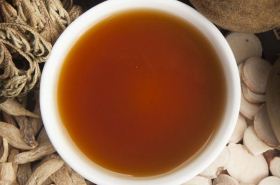
Ingredients:
- Szechuan Lovage Rhizome (Chuan Xiong) 9g
- Schizonepeta Herb (Jing Jie) 9g
- Siler Root (Fang Feng) 9g
- Notopterygium Root (Qiang Huo) 9g
- Peppermint (Bo He) 6g
- Asarum Herb (Xi Xin) 3g
Directions:
Typically, these herbs are decocted in water and taken orally. The usual recommendation is one dose per day.
Modifications:
TCM practitioners often adjust formulas based on individual needs. For instance:
- If pain is severe, additional herbs like Silkworm (Jiang Can) 6g and Chrysanthemum Flower (Ju Hua) 12g might be added.
- For those also dealing with high blood pressure, Selfheal Spike (Xia Ku Cao) 15g and Cassia Seed (Jue Ming Zi) 12g could be included to help manage blood pressure while addressing the main symptoms.
Xiao Feng Tang: Efficacy and Actions
So, what's this formula good for?
Functions:
Xiao Feng Tang is primarily known for its ability to "expel wind" and relieve pain. In TCM, "wind" is often associated with conditions that have sudden onset, migrating symptoms, or nerve-related discomfort, making formulas like this quite versatile for various types of pain (Traditional Chinese Medicine for Trigeminal Neuralgia shows promise in alleviating symptoms and improving quality of life. PMID: 32800689).
Indications:
This formula is commonly used for Trigeminal Neuralgia, a condition characterized by severe facial pain. The combination of herbs works synergistically to calm the nervous system and reduce inflammation (Studies suggest that certain herbal components, like Siler Root (Fang Feng), possess antinociceptive and anti-inflammatory properties beneficial for pain management. PMID: 28590680). By addressing the underlying "wind" pathology, Xiao Feng Tang aims to provide relief from the sharp, shooting pains associated with trigeminal neuralgia (Various TCM modalities, including herbal formulas and acupuncture, are utilized to treat trigeminal neuralgia by addressing underlying energetic imbalances. PMID: 32669116).
3-Second Self-Check + 30-Second Self-Rescue
If... you're experiencing sudden, electric-shock-like pain in your face, especially when chewing, talking, or brushing your teeth...
Then Immediately... consider consulting a qualified TCM practitioner or a neurologist for a proper diagnosis and treatment plan. For immediate, temporary relief, gently apply a warm compress to the affected area or try slow, deep breathing exercises to manage stress and muscle tension.
References
Chinese herbal medicine for trigeminal neuralgia demonstrates potential in clinical trials and understanding its mechanisms. PMID: 32800689
Research indicates that extracts from Siler Root (Fang Feng) exhibit antinociceptive and anti-inflammatory effects. PMID: 28590680
Acupuncture and moxibustion, part of TCM, have been systematically reviewed for their effectiveness in treating trigeminal neuralgia. PMID: 32669116
For informational purposes only. Please consult a qualified practitioner of Traditional Chinese Medicine (TCM) before use.