Hey there! Today, we’re diving into a traditional Chinese medicine formula called **Da Qiang Huo Tang**. This isn’t just any herbal blend; it's renowned for tackling some pretty tricky health situations, particularly those complex conditions where your body feels under attack from both the outside and within. Let's break down what it is, how it's used, and what makes it so unique.
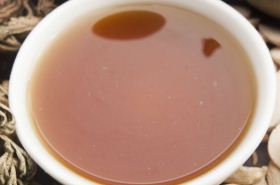
Da Qiang Huo Tang: Usage and Dosage
Composition: This formula typically includes:
- Notopterygium Root (Qiang Huo)
- Angelica Pubescens Root (Du Huo)
- Stephania Root (Fang Ji)
- Saposhnikovia Root (Fang Feng)
- Scutellaria Root (Huang Qin)
- Coptis Root (Huang Lian)
- Prepared Atractylodes Rhizome (Cang Zhu, processed)
- White Atractylodes Rhizome (Bai Zhu)
- Stir-fried Licorice Root (Gan Cao, stir-fried)
- Sichuan Lovage Rhizome (Chuan Xiong)
- Asarum Herb (Xi Xin)
- Rehmannia Root (Sheng Di Huang)
- Anemarrhena Rhizome (Zhi Mu)
Each of the above is traditionally measured at 3 qian (approximately 9 grams).
Each of the above is traditionally measured at 1 liang (approximately 30 grams).
How to Use: For each dose, take about half a liang (approximately 15 grams) of the prepared herbs. Brew this with two large cups of water until the liquid is reduced to about one and a half cups. Strain out the herbal dregs to obtain one large cup of clear medicinal decoction. Drink it warm. If your symptoms don't improve, you can take another dose. It's often acceptable to take three or four doses until you find relief. Once your illness is resolved, you should stop taking it. If any residual symptoms remain, they should be addressed following Zhang Zhongjing's traditional methods, which focus on treating based on specific meridian patterns.
Da Qiang Huo Tang: Efficacy and Actions
Primary Indications: This is considered a miraculous formula for resolving what we call "simultaneous external and internal affections." In Traditional Chinese Medicine (TCM), when external pathogenic influences (often described as "Heaven's evil qi") penetrate and harm your five vital organs (Zang organs), it signifies a condition where both the exterior and interior are affected, with both your solid (Zang) and hollow (Fu) organs experiencing dysfunction. The challenge is that if you try to expel the external pathogens, there's already internal involvement; and if you try to clear or purge the internal issues, there are still external symptoms present. Because the exterior and interior cannot be treated with a single approach, it's often said that "simultaneous affections are untreatable." PMID: 30424560
However, everyone's constitution varies—some are stronger, some weaker—and the depth of their affection can also differ. If someone with a weak constitution experiences a deep affection, the outcome is often fatal. But for those with stronger constitutions and shallower affections, there's still a chance for treatment and recovery. While there have been cases where treatment didn't save a patient, there are no recorded instances of survival without any treatment at all. Historically, using this formula has resulted in some patients surviving, about two or three out of ten. This is why this formula was developed, for the compassionate practitioner to utilize.
Different Prescriptions of Da Qiang Huo Tang: Version One
From "Wei Sheng Bao Jian" (Precious Mirror of Health), Volume 23: Da Qiang Huo Tang
Formula Name: Da Qiang Huo Tang
Ingredients: Notopterygium Root (Qiang Huo) and Cimicifuga Rhizome (Sheng Ma), 3 grams each; Angelica Pubescens Root (Du Huo), 2.1 grams; Atractylodes Rhizome (Cang Zhu), Saposhnikovia Root (Fang Feng, rootlets removed), Achyranthes Root (Wei Ling Xian, rootlets removed), White Atractylodes Rhizome (Bai Zhu), Angelica Sinensis Root (Dang Gui), Poria Cocos (Bai Fu Ling, skin removed), and Alisma Rhizome (Ze Xie), 1.5 grams each.
Preparation: The ten ingredients listed above are coarsely ground to form one dose.
Functions and Indications: This version primarily addresses aching limbs and joints, difficulty in bending and extending, a feeling of fullness or discomfort in the epigastric region (below the heart), a heavy sensation throughout the body, lack of appetite, nausea immediately after eating, a sallow or yellowish complexion, diminished vitality, and a deep, slow pulse.
Usage and Dosage: Brew with 300 milliliters of water until the liquid is reduced to 150 milliliters. Remove the dregs and drink warm, taking one dose before meals and another after meals.
Precautions: While taking this medicine, it's important to avoid alcohol, flour-based foods (like noodles), raw and cold foods, and hard-to-digest items.
Excerpt: "Wei Sheng Bao Jian" Volume 23
Different Prescriptions of Da Qiang Huo Tang: Version Two
From "Shi Shi Nan Zhi" (Difficult Cases to Understand), Volume 1: Da Qiang Huo Tang
Formula Name: Da Qiang Huo Tang
Ingredients: Saposhnikovia Root (Fang Feng) 3 qian; Notopterygium Root (Qiang Huo) 3 qian; Angelica Pubescens Root (Du Huo) 3 qian; Stephania Root (Fang Ji) 3 qian; Scutellaria Root (Huang Qin) 3 qian; Coptis Root (Huang Lian) 3 qian; Atractylodes Rhizome (Cang Zhu) 3 qian; White Atractylodes Rhizome (Bai Zhu) 3 qian; Prepared Licorice Root (Gan Cao, processed) 3 qian; Asarum Herb (Xi Xin) 3 qian; Anemarrhena Rhizome (Zhi Mu) 1 liang; Sichuan Lovage Rhizome (Chuan Xiong) 1 liang; Rehmannia Root (Di Huang) 1 liang.
Functions and Indications: This version works to uplift Yang energy and dispel heat, while simultaneously nourishing Yin organs. It helps to disperse external wind-cold pathogens, resolve dampness, and clear internal heat. It primarily treats complex "cold damage" (Shanghan) conditions where both the Taiyang and Shaoyin meridians are affected. Symptoms include headache, fever, aversion to cold, dry mouth, vexation, a feeling of fullness, and thirst. PMID: 32338428
Usage and Dosage: The above ingredients should be coarsely ground. For each dose, take half a liang (approximately 15 grams). Brew with 2 cups of water until 1.5 cups remain. Remove the dregs to obtain one large cup of clear medicinal decoction. Drink it warm. If symptoms don't resolve, you may take another 3-4 cups until relief is achieved, then stop when the illness is cured. If any residual symptoms persist, they should be treated following Zhang Zhongjing's methods, which focus on treatment according to meridian differentiation. PMID: 36768392
**Important Safety Note:** Certain herbs in this formula, such as Asarum (Xi Xin), are potent and require precise dosing. Self-prescribing can be risky. Always consult with a qualified Traditional Chinese Medicine practitioner before using any herbal formulas, especially if you have underlying health conditions or are taking other medications. A professional can ensure proper dosage and suitability for your specific condition.
**Precautions:** This formula should be avoided if your condition is an internal injury (internal damage) that is not related to an external contraction transmitting to the interior.
**Discussions by Various Scholars:** The "Yi Fang Kao" (Study of Medical Formulas) elaborates: The Classic states: "When Qi is subtle, it disperses." Therefore, herbs like Notopterygium Root (Qiang Huo), Angelica Pubescens Root (Du Huo), Saposhnikovia Root (Fang Feng), Atractylodes Rhizome (Cang Zhu), Asarum Herb (Xi Xin), and Sichuan Lovage Rhizome (Chuan Xiong), which possess a subtle Qi (vital energy), are used to uplift and disperse the pathogenic influences that have been transmitted through the body's channels. It also states: "Cold overcomes heat." Hence, bitter and cold herbs like Coptis Root (Huang Lian), Scutellaria Root (Huang Qin), Stephania Root (Fang Ji), Rehmannia Root (Sheng Di), and Anemarrhena Rhizome (Zhi Mu) are used to nourish the Yin energy that has been injured. By using dispersing herbs to support the cold-clearing herbs, the dispersing action isn't overly aggressive. Conversely, by using cold-clearing herbs to support the dispersing herbs, the cold-clearing action doesn't become stagnant. White Atractylodes Rhizome (Bai Zhu) and Licorice Root (Gan Cao) are herbs that primarily support the Spleen and digestive system. They are included to benefit the Spleen and Stomach, thereby strengthening the function of the body's central digestive processes.
Excerpt: "Shi Shi Nan Zhi" Volume 1
3-Second Self-Test + 30-Second Self-Rescue
Feeling under the weather? Here’s a quick check and some immediate tips:
- **If...** you're experiencing body aches, a feeling of heaviness, chills, a mild fever, and feel full or nauseated after eating, **Then Immediately...** try a warm ginger tea with a touch of brown sugar. This can help warm your core and encourage gentle sweating, potentially easing initial discomfort.
- **If...** you have a headache, are sensitive to cold, feel generally run down, and have difficulty moving your joints, **Then Immediately...** consider a warm bath with Epsom salts. The warmth can help relax muscles and promote circulation, offering temporary relief from aches and stiffness.
- **If...** you have a dry mouth, feel agitated or vexed, and notice a deep, slow pulse, which points to a more complex internal-external situation, **Then Immediately...** focus on rest and staying hydrated with warm, plain water. Avoid heavy or greasy foods to ease your digestive system and prevent further internal stagnation. And seriously, reach out to a TCM practitioner for personalized advice!
References
Understanding TCM concepts like simultaneous affections can provide valuable insights into complex health challenges. PMID: 30424560
Studies show key ingredients like Scutellaria baicalensis (Huang Qin) possess diverse pharmacological effects, supporting their traditional uses. PMID: 32338428
Traditional Chinese Medicine offers promising approaches for complex febrile diseases, which often involve simultaneous external and internal patterns. PMID: 36768392
For informational purposes only. Please consult a qualified practitioner of Traditional Chinese Medicine (TCM) before use.