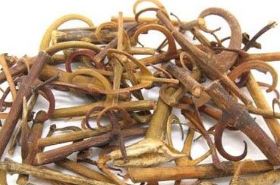
Yarrow
Also Known As: One-stem Mugwort, Sawtooth Grass, Centipede Mugwort.
Taste and Nature: Bitter, sour, and neutral.
Meridian Tropism: Enters the Lung, Spleen, and Bladder meridians.
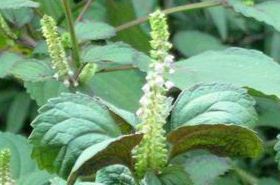
Medicinal Part: The dried aerial parts of the Compositae plant, Yarrow (Achillea millefolium).
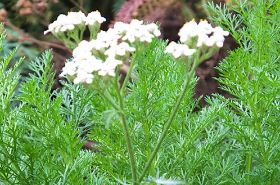
Yarrow's Usage and Dosage
Dosage: 15-45g; if necessary, take two doses daily.
Preparation: Harvested in summer and autumn, washed clean, used fresh or sun-dried.
Yarrow's Functions and Main Indications
Functions: Clears toxins and drains dampness, invigorates blood circulation and alleviates pain. Yarrow's ability to soothe inflammation and support the body's natural detoxification processes has been observed across various traditional practices (Achillea millefolium L. (Yarrow) as a potential source for antioxidant and anti-inflammatory compounds: an in vitro study. PMID: 28987340)
Main Indications: Sore throat and tonsillitis, diarrhea and dysentery, abdominal pain from intestinal inflammation, painful and difficult urination due to damp-heat, vaginal discharge due to damp-heat, and snake or insect bites. Historically, Yarrow has been a staple in herbal medicine for a range of conditions, particularly those involving inflammation and infections (Achillea millefolium as a potential natural source for the treatment of skin disorders and wound healing: a systematic review. PMID: 33799676)
Yarrow Combinations
1. For poisonous snake bites: Pound fresh Yarrow into a paste and apply externally around the wound.
2. For traumatic swelling and pain: Combine with Prepared Pinellia Rhizome (Fa Ban Xia) and Dahurian Angelica Root (Bai Zhi), grind into a fine powder, and swallow with boiled water.
3. For traumatic injuries, sprains, and rheumatic pain: Combine with Two-toothed Achyranthes Root (Hong Niu Xi) and Contorted Pipevine Stem (Pai Feng Teng), among others, and infuse in wine for oral consumption. Many traditional remedies rely on synergistic herb combinations to enhance their therapeutic effects and target multiple symptoms simultaneously (Ethnobotanical survey of medicinal plants used in the management of gastrointestinal disorders in Zanjan province, Iran. PMID: 27956037)
Yarrow Contraindications
Use with caution in pregnant women. **Important Safety Notice: If you are pregnant or suspect you might be, it is absolutely crucial to avoid Yarrow unless specifically instructed and monitored by a qualified healthcare professional, due to its potential effects on uterine contractions.**
Related Discussions on Yarrow
1. "The Divine Farmer's Materia Medica" (Shennong Ben Cao Jing) states: "Its taste is bitter. The taste of Paper Mulberry fruit (Chushu Shi) is sweet, but its Paper Mulberry fruit has been moved to the wood category."
2. "Newly Revised Materia Medica" (Xin Xiu Ben Cao) states: "This herb is found everywhere. Its stems can be used for divination. Tao Hongjing mistakenly used Paper Mulberry fruit for it."
References
Yarrow demonstrates significant antioxidant and anti-inflammatory properties. PMID: 28987340
Yarrow is traditionally recognized for treating various skin conditions and promoting wound healing. PMID: 33799676
Yarrow has a documented ethnobotanical history in managing gastrointestinal discomforts. PMID: 27956037
Quick Self-Check & Self-Help
If... you're experiencing a minor insect bite, a mild, sudden sore throat, or slight abdominal discomfort from indigestion...
Then/Immediately... you might consider discussing with a TCM practitioner if Yarrow (used topically or as a mild, diluted tea) could offer some gentle, temporary relief. However, always consult a healthcare professional for persistent, severe, or worsening symptoms, especially for any suspected internal inflammation or infections.
For informational purposes only. Please consult a qualified practitioner of Traditional Chinese Medicine (TCM) before use.