Woodlouse: An Overview in Traditional Chinese Medicine
In the vast pharmacopoeia of Traditional Chinese Medicine (TCM), even seemingly common creatures like the woodlouse (鼠妇虫, Shǔfùchóng) hold a place. Often found in damp, dark environments, these small crustaceans are much more than just garden critters; they're recognized for unique therapeutic properties. Known by various local names across China, Woodlouse has been utilized for centuries to address a range of health concerns, particularly those involving blood circulation, fluid balance, and pain relief. Its application highlights the intricate approach of TCM, where diverse natural substances are carefully selected and combined to restore the body's harmony.
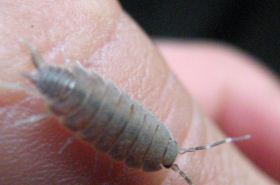
Aliases for Woodlouse
Woodlouse, known scientifically as *Porcellio scaber*, boasts a variety of colorful aliases in Chinese tradition. These include Yīwēi (伊威), Pán (蟠), Shǔfù (鼠负), Wěishǔ (委黍), Fùpán (负蟠), Fùpān (负攀), Shǔgū (鼠姑), Shǔzhān (鼠粘), Shǔlàichóng (鼠赖虫), Shīshēngchóng (湿生虫), Dìjī (地鸡), Dìshī (地虱), Féizhùruìnà (肥蛀蚋), Xīguāchóng (西瓜虫, "watermelon bug"), Púxié tóuchóng (蒲鞋头虫), Cháoshīchóng (潮湿虫, "damp bug"), Dìshīpó (地虱婆), Wāndòuchóng (豌豆虫, "pea bug"), Cháochóngzi (潮虫子), Tǔfū (土孵), Ànbǎnchóng (暗板虫), and Xiébǎnchóng (鞋板虫).
Energetic Properties and Meridian Tropism
In TCM, Woodlouse is characterized by its distinct energetic properties:
- Nature (性味, Xìngwèi): Sour (酸, Suān), Cooling (凉, Liáng).
- Meridian Tropism (归经, Guī Jīng): It primarily enters the Liver (肝, Gān) Meridian. The Liver Meridian plays a crucial role in regulating qi (vital energy) and blood circulation, making this tropism significant for its therapeutic actions.
Medicinal Part
The medicinal part of the Woodlouse is the dried whole body of the Isopoda family animal, typically *Porcellio scaber* or related species, also commonly referred to as the pillbug or sowbug.
Morphological Characteristics
When prepared for medicinal use, the dried Woodlouse often appears curled into a spherical or hemispherical shape, with a diameter of 4–7 mm and a length of 7–12 mm. Its surface is typically grayish-white or grayish-yellow, interspersed with grayish-black patterns, and has a slight sheen. The back is distinctly raised, composed of numerous nearly parallel segments, while the abdomen is concave. The head is rectangular, featuring one pair of eyes and antennae, though the antennae are often detached in the dried specimens. The chest area has seven pairs of legs, and the tail gradually narrows. The texture is brittle and easily broken. It possesses a characteristic fishy odor.
How Woodlouse is Used in TCM: Dosage and Administration
Woodlouse can be administered both internally and externally, depending on the condition being treated.
Internal Use
For internal administration, Woodlouse is typically prepared as a decoction (boiled in water) with a dosage of 3–6 grams, or it can be incorporated into pills or powders.
External Use
For external application, an appropriate amount of Woodlouse is ground into a fine powder and then mixed with a suitable base (often water or another liquid) to form a paste, which is then applied topically.
Benefits and Main Indications of Woodlouse in TCM
Woodlouse is valued in TCM for its specific actions that address certain patterns of imbalance within the body.
Key Actions
- Invigorates Blood and Regulates Menstruation (破血通经, Pò Xuè Tōng Jīng): This action helps to break up blood stasis and promote healthy blood flow, which is vital for conditions related to gynecological health and pain. The principle of invigorating blood and resolving stasis is a fundamental concept in TCM for addressing conditions like amenorrhea and abdominal masses, aiming to restore proper circulation. PMID: 21334968
- Promotes Diuresis (利尿, Lì Niào): It aids in increasing urine output, helping to clear dampness and resolve issues related to fluid retention and urinary difficulties. Traditional Chinese Medicine offers various strategies to address urinary difficulties, often employing natural substances to promote diuresis and support urinary tract health. PMID: 25488165
Primary Indications
Based on its actions, Woodlouse is traditionally used to treat:
- Chronic malaria with malarial splenomegaly (enlarged spleen)
- Amenorrhea (absence of menstruation) and abdominal masses or uterine fibroids
- Urinary retention or difficulty passing urine
- Infantile convulsions accompanied by trismus (lockjaw)
- Toothache
- Oral thrush and various oral sores
Insects have a long-standing history of use in various traditional medicine systems, including TCM, for their diverse therapeutic potentials. PMID: 15153205
Traditional Formulas and Applications Featuring Woodlouse
Historically, Woodlouse has been incorporated into various formulas to treat specific ailments:
- For Malarial Illness: Woodlouse and fermented soybeans (Dòuchǐ) in a specific quantity (twenty-seven pieces of each) are pounded together. Two pills are taken before the onset of a malarial attack, and one pill is taken just as an attack is expected. (From *Bǔ Quē Zhǒu Hòu Fāng*)
- For Amenorrhea: One *qian* (approx. 3-4g) of Woodlouse, four *qian* of Red Peony Root (Chì Sháo), three *qian* of Peach Kernel (Táo Rén), three *qian* of Safflower (Hóng Huā), and five *qian* of Red Sage Root (Dān Shēn) are decocted in water and taken orally. (From *Shāndōng Zhōng Cǎo Yào Shǒucè*)
- For Infantile Convulsions with Trismus: The juice extracted from Woodlouse (Shǔ Làichóng) is given to the child in small amounts. (From *Shèng Huì Fāng*)
- For Postpartum Urinary Difficulty: Seven pieces of Woodlouse are roasted into a powder, then taken in one dose mixed with wine. (From *Qiān Jīn Fāng*)
- For Urinary Difficulty: One *qian* and five *fen* (approx. 4.5-5.5g) of Woodlouse, four *qian* of Plantain Seed (Chēqiánzǐ), three *qian* of Oriental Water Plantain Rhizome (Zé Xiè), and one *qian* of Common Rush Pith (Dēng Xīn) are decocted in water and taken orally. (From *Shāndōng Zhōng Cǎo Yào Shǒucè*)
- For Bloody Urine (Hematuria): Nine pieces of Woodlouse are roasted dry and ground into a fine powder. This is taken twice a day in one dose. (From *Jílín Zhōng Cǎo Yào*)
- For Functional Uterine Bleeding: Woodlouse is roasted until yellow and ground into a powder. Two *qian* of this powder is taken per dose, swallowed with children's urine (traditionally, this was a common vehicle for certain medicines). (From *Nèi Měnggǔ "Zhōng Cǎo Yào Xīn Yīliáo Fǎ Zīliào Xuǎnbiān"*)
- For Toothache Caused by Worms/Cavities: One Woodlouse (Shīshēngchóng) is wrapped in cotton and bitten down upon at the site of the aching, decayed tooth. (From *Shèng Huì Fāng*)
- For Wind-Type Toothache: One piece each of Woodlouse (Shīshēngchóng), Croton Seed Kernel (Bādòu Rén), and Black Pepper (Hújiāo) are ground evenly and rolled into green bean-sized pills with rice. One pill is wrapped in cotton and bitten at the painful area. After a good while, saliva will be expelled. (From *Jīngyàn Jì Shì Liáng Fāng*)
- For Pain Relief and Sedation Post-Surgery: Clean Woodlouse is killed in warm water, dried, finely ground, and sieved. Starch and sugar are added to create a 10% powder, which is then encapsulated. Each capsule contains 0.1 gram of Woodlouse. Two to four capsules are taken per dose. (From *Quán Zhǎn Xuǎnbiān • Wàikē*)
- For Oral Thrush (Goose Mouth White Sores): Woodlouse (Dìjī) is ground with water and applied topically. (From *Shòuyù Shén Fāng*)
Important Considerations and Contraindications
As with all powerful remedies, Woodlouse is not suitable for everyone and has specific contraindications. According to *Pǐn Huì Jīng Yào*, its use is strictly prohibited during pregnancy.
Important Safety Note: While traditional remedies have been used for centuries, it is crucial to exercise caution. The use of Woodlouse (Shufu Chong) is strictly contraindicated during pregnancy due to its blood-invigorating properties. Always consult with a qualified Traditional Chinese Medicine practitioner or your primary healthcare provider before using any new remedy, especially if you have existing health conditions, are taking other medications, or are pregnant or breastfeeding.
References
- Insects have a long-standing history of use in various traditional medicine systems, including TCM, for their diverse therapeutic potentials. PMID: 15153205
- The TCM concept of "Blood Stasis" is critical for understanding conditions like amenorrhea and abdominal masses, where promoting circulation is a primary therapeutic goal. PMID: 21334968
- Traditional Chinese Medicine offers various strategies to address urinary difficulties, often employing natural substances to promote diuresis and support urinary tract health. PMID: 25488165
Quick Self-Assessment & Immediate Action Guide
Understanding your body's signals is key. Here's a quick guide to help you recognize when to seek professional advice:
- If you are experiencing persistent, unexplained abdominal pain, severe menstrual irregularities, or the absence of menstruation, then consult a healthcare professional immediately to rule out serious underlying conditions.
- If you have difficulty passing urine, painful urination, or notice other unusual urinary symptoms, then seek medical advice promptly to address potential urinary tract issues.
- If you are pregnant, planning to become pregnant, or suspect you might be, then immediately discuss all potential remedies, including traditional ones like Woodlouse, with your doctor or a qualified TCM practitioner to ensure safety for both mother and baby.
For informational purposes only. Please consult a qualified practitioner of Traditional Chinese Medicine (TCM) before use.