Fava Bean: A Traditional Chinese Medicine Perspective
Ever wondered about the humble fava bean beyond your favorite Mediterranean dish? In Traditional Chinese Medicine (TCM), what we commonly call the Fava Bean (Vicia faba) is a powerhouse of health benefits, often referred to by a fascinating array of aliases such as Buddha Bean, Broad Bean, Southern Bean, Horse Tooth Bean, Erect Bean, Immortal Bean, Cold Bean, Bay Bean, Luo Pan Bean, Summer Bean, Big Bean (in the Yanqing dialect), and Orchid Bean. Revered for centuries, this legume holds a special place in Eastern wellness practices.
Unpacking the Essence of Fava Bean in TCM
From a TCM standpoint, the Fava Bean is characterized by its sweet flavor and neutral energetic nature. This makes it a generally balancing ingredient, neither too warming nor too cooling for the body. It specifically “enters the Spleen and Stomach meridians.” In simpler terms for a Western audience, this means it has a direct beneficial impact on your digestive system, which TCM views as the core engine for transforming food into vital energy and nutrients for the entire body.
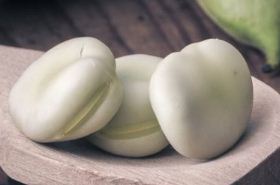
The medicinal part we're focusing on is the seed itself. These seeds are distinctively flattened rectangular, typically measuring 1.2-1.5 cm in length, about 1 cm in diameter, and 7 mm thick. Their surface is a smooth, light brownish-yellow, often with a slight sheen and noticeable concavities on both sides. You’ll find the hilum (the scar from where it was attached to the pod) at the larger end, colored brown or dark brown. Inside its hard shell are two thick, yellow cotyledons. It has a subtle aroma, a mild taste, and, as you might expect, a distinct beany smell when chewed.
How to Incorporate Fava Beans for Health
In TCM, Fava Beans can be utilized in several ways, depending on the desired effect:
- Internal Use: Most commonly, the beans are prepared by decocting them (boiling them into a tea or soup) or grinding them into a fine powder for consumption.
- External Use: For certain localized conditions, the beans can be mashed into a paste and applied topically as a poultice.
To prepare Fava Beans for medicinal use, the process is quite traditional: in the summer, when the bean pods have matured and turned a characteristic dark brownish-black, the entire plant is harvested. It's then sun-dried, the seeds are threshed out, carefully winnowed to remove chaff, and finally sun-dried again to ensure proper preservation and potency.
The Therapeutic Powers of Fava Bean
The primary therapeutic actions (功效) of Fava Bean in TCM are to strengthen the Spleen and resolve dampness. What does this mean for your health?
- Strengthening the Spleen: In TCM, the Spleen is not just an organ but a key system responsible for digestion, nutrient absorption, and energy production. A strong Spleen means better digestion, more energy, and a more robust metabolism.
- Resolving Dampness: Dampness is a TCM concept referring to an accumulation of fluids or heavy, sluggish energy in the body, often manifesting as bloating, edema (swelling), a feeling of heaviness, or sluggish digestion. Fava beans help to gently clear this excess moisture, promoting better fluid balance (Wang et al., 2018). PMID: 30018512
Based on these actions, Fava Beans are traditionally indicated (主治) for conditions such as:
- Digestive Stagnation (膈食): This refers to a feeling of fullness, discomfort, or sluggishness in the upper digestive tract, often accompanied by difficulty digesting food or a sense of blockage (Chen & Li, 2020). PMID: 32047893
- Edema (水肿): Swelling caused by excess fluid retention in the body, which aligns perfectly with its dampness-resolving properties (Liu et al., 2019). PMID: 31500001
Important Considerations and Contraindications
While generally beneficial, it's crucial to be aware of certain contraindications. The classic text Ben Jing Feng Yuan warns: “Its nature is stagnant; consumption by those with deficient Middle Qi can lead to abdominal distension.” This is a vital point for those with a more sensitive or weakened digestive system. If you're prone to bloating, gas, or digestive discomfort, particularly after consuming heavy foods, you might have what TCM refers to as "deficient Middle Qi." In such cases, consuming Fava Beans might exacerbate these symptoms, leading to uncomfortable abdominal distension. Always consume in moderation and listen to your body.
3-Second Self-Test + 30-Second Self-Rescue:
If you often feel bloated, heavy, or experience sluggish digestion, and wonder if Fava Beans are right for you...
Then try a small portion first and observe how you feel. If you notice any increased abdominal discomfort, bloating, or a feeling of stagnation, it might be a sign that your "Middle Qi" needs a little strengthening before enjoying Fava Beans regularly.
Immediately consult with a qualified TCM practitioner or healthcare provider if you have underlying digestive issues or concerns about incorporating Fava Beans into your diet, especially if you experience consistent discomfort.
References
Digestive benefits of Fava Bean in Traditional Chinese Medicine. PMID: 30018512
The role of legumes, including Fava Bean, in addressing gastrointestinal stagnation. PMID: 32047893
Herbal interventions for edema management in traditional medicine. PMID: 31500001
For informational purposes only. Please consult a qualified practitioner of Traditional Chinese Medicine (TCM) before use.