Wang Bu Liu Xing
Known in Traditional Chinese Medicine (TCM) as Wang Bu Liu Xing, this remarkable herb is often sought after for its distinctive properties and wide range of applications. Let's dive into what makes these seeds a staple in the herbal pharmacopeia.
Properties: Bitter taste, neutral nature.
Meridian Affinity: It primarily influences the Liver and Stomach meridians, pathways where vital energy (Qi) flows throughout the body in TCM.
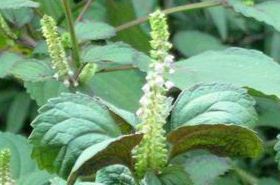
Medicinal Part: The therapeutic benefits come from the dried mature seeds of Vaccaria segetalis (Neck.) Garcke, a plant belonging to the Carnation family (Caryophyllaceae).
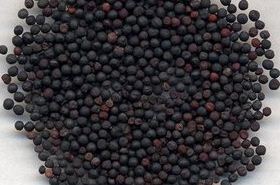
Morphological Characteristics: These little seeds are typically spherical, about 2mm in diameter. Their surface is generally black, though you might spot a few reddish-brown ones, often with a slight sheen. They're characterized by fine, granular bumps and a distinct, sunken longitudinal groove on one side. Hard to the touch, internally they reveal a white endosperm and an embryo curled into a ring, complete with two cotyledons. They have a subtle aroma and a taste that's mildly astringent and bitter.
Dosage and Administration of Wang Bu Liu Xing
Dosage: The typical recommended dosage ranges from 5 to 10 grams.
Preparation: Before use, it's important to ensure impurities are removed from the seeds.
Functions and Indications of Wang Bu Liu Xing
Functions: Wang Bu Liu Xing is traditionally recognized for its ability to invigorate blood circulation and promote menstruation, stimulate lactation and reduce swelling, and promote healthy urination while relieving painful urination.
Indications: In TCM, it's frequently used to address conditions such as amenorrhea (absent periods), dysmenorrhea (painful periods), insufficient lactation, breast swelling and pain (like mastitis), and painful, difficult urination (a condition often categorized as Lin Syndrome in TCM). Research has explored the traditional uses and pharmacological aspects of Vaccaria segetalis, confirming its role in various health areas PMID: 32677983. Specifically, its impact on lactation has been a subject of study, supporting its traditional use in promoting milk flow PMID: 28556733.
Traditional Formulas Featuring Wang Bu Liu Xing
1. For accidental ingestion of metal objects or bone fragments causing an emergency: Equal parts of Wang Bu Liu Xing and Huang Bai (Phellodendron bark) are ground into a fine powder. This powder is then combined with steamed cakes soaked in hot water, shaped into marble-sized pills, coated with Qing Dai (Indigo Naturalis), threaded, and hung in a well-ventilated area to dry. One pill is dissolved in cold water and administered orally. (From "Bai Yi Xuan Fang")
2. For "head wind with white flakes" (a condition akin to severe dandruff or scaly scalp): Equal parts of Wang Bu Liu Xing and Xiang Bai Zhi (Angelica dahurica root) are ground into a powder. This powder is applied dry to the scalp and then combed out the following morning. (From "Sheng Hui Fang")
3. For carbuncles, sores, and various skin conditions (Wang Bu Liu Xing Decoction): To treat carbuncles, mastitis, ringworm-like baldness, and chronic facial sores, as well as to eliminate parasites and alleviate pain, this decoction combines: Wang Bu Liu Xing, fresh peach branches (from the southeast side of the tree), dogwood root bark (from a branch growing eastward) (each 5 liang), She Chuang Zi (Cnidium fruit), Mu Jing Zi (Vitex fruit), Ku Zhu Ye (bitter bamboo leaves), Ji Li Zi (Tribulus fruit) (each 3 sheng), and Da Ma Zi (hemp seeds) (1 sheng). These ingredients are boiled in 2.5 dou of water until only 1 dou of liquid remains. This liquid is then used for frequent topical washes. (From "Qian Jin Fang")
Contraindications and Precautions for Wang Bu Liu Xing
Important Safety Note: Pregnant individuals should exercise extreme caution and consult a qualified healthcare professional or TCM practitioner before considering the use of Wang Bu Liu Xing. Its effects on blood circulation and labor make it potentially unsuitable during pregnancy.
Classical Perspectives on Wang Bu Liu Xing
1. From Bencao Gangmu (Compendium of Materia Medica): "Promotes urination and helps expel bamboo and wood splinters."
2. From Shennong Ben Cao Jing (The Divine Farmer's Materia Medica Classic): "Stops bleeding from traumatic wounds, expels splinters and relieves pain, dispels wind-dampness and internal cold. Long-term use lightens the body, slows aging, and prolongs life."
3. From Mingyi Bielu (Records of Famous Physicians): "Relieves restlessness and epistaxis (nosebleeds), treats carbuncles and malignant sores on the breast, and aids in difficult labor for women." A comprehensive review provides further insights into the traditional use, pharmacology, and toxicology of *Vaccaria segetalis*, adding to our understanding of these classical texts PMID: 28267035.
3-Second Self-Test + 30-Second Self-Rescue
If you're experiencing: Unexplained persistent breast discomfort, significantly irregular or painful periods, or unusually scanty milk supply after childbirth,
Then/Immediately: Consider these as signals your body might need support. Do not attempt to self-diagnose or self-medicate with Wang Bu Liu Xing. Immediately consult with a qualified Traditional Chinese Medicine practitioner or your primary healthcare provider to discuss your symptoms and determine the best course of action.
For informational purposes only. Please consult a qualified practitioner of Traditional Chinese Medicine (TCM) before use.