Spidery Valerian
Known by various traditional names like "Horse Hoof Fragrance," "Wild Asarum," and "Cordate Valerian," Spidery Valerian (scientific name: Valeriana jatamansi Jones) is a revered herb in Traditional Chinese Medicine (TCM). Belonging to the Valerianaceae family, this medicinal plant is primarily valued for its dried rhizome and roots, which are used to restore balance and harmony within the body.
From a TCM perspective, Spidery Valerian is characterized by its slightly bitter and pungent taste, coupled with a warm nature. It's understood to primarily influence the Heart, Spleen, and Stomach meridians, making it a versatile herb for addressing various health concerns related to these organ systems.
What Does Spidery Valerian Look Like?
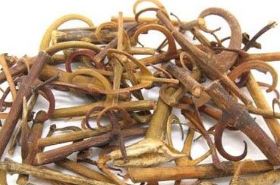
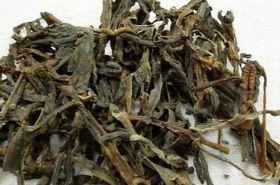
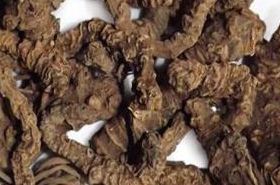
The rhizome of Spidery Valerian typically presents as cylindrical, sometimes slightly flattened and curved, with minimal branching. It measures about 1.5 to 8 cm in length and 0.5 to 2 cm in diameter. Its surface is usually a dark brown or grayish-brown, adorned with densely raised nodes and distinct point-like root scars. You might notice a slightly enlarged apex with remnants of stems and leaves. The texture is firm and resistant to breakage, revealing a yellowish-brown or grayish-brown cross-section where vascular bundles are intermittently arranged in a ring.
The roots, on the other hand, are slender and gently curved, ranging from 3 to 15 cm long with a diameter of approximately 0.2 cm. They feature subtle longitudinal wrinkles and are quite brittle. Both the rhizome and roots possess a unique, characteristic aroma and offer a taste that is subtly bitter and pungent.
Dosage and Preparation of Spidery Valerian
When incorporating Spidery Valerian into your wellness routine, the typical dosage ranges from 3 to 6 grams. Before use, the herb undergoes a careful preparation process: impurities are removed, it's thoroughly washed, moistened until softened, then sliced, and finally sun-dried. This ensures the herb is clean and ready for optimal therapeutic benefits.
Key Functions and Indications of Spidery Valerian
Spidery Valerian is highly regarded in TCM for its broad range of therapeutic actions:
- Regulates Qi and Relieves Pain: It's often used to soothe discomfort and promote the smooth flow of vital energy (Qi) throughout the body, particularly in the abdomen. Animal studies have shown its potential anti-inflammatory and analgesic effects, supporting its use for various types of pain.
- Aids Digestion and Stops Diarrhea: This herb is beneficial for resolving food stagnation and alleviating digestive disturbances, including various forms of diarrhea and dysentery.
- Dispels Wind and Dampness: Spidery Valerian is traditionally employed to address conditions associated with external pathogenic factors, such as rheumatic pain and general aches caused by wind and dampness.
- Calms the Spirit and Tranquilizes: It has a notable effect on calming the mind and promoting restful sleep, making it useful for conditions like insomnia and restlessness. Early research has identified anxiolytic and sedative properties.
Therefore, it’s primarily indicated for conditions such as abdominal distension and pain, indigestion, diarrhea, dysentery, rheumatic pain, soreness in the lower back and knees, and insomnia.
Traditional Combinations of Spidery Valerian
Throughout its history, Spidery Valerian has been combined with other herbs to enhance its therapeutic effects:
- For Vomiting, Diarrhea, and Abdominal Pain: In ancient practices, Spidery Valerian was combined with Acori Tatarinowii Rhizoma and traditionally stewed with wine in an earthenware pot for internal use, as documented in the Sichuan Chinese Materia Medica. This combination aims to alleviate acute gastrointestinal distress.
- For Toxic Sores: A traditional external application involves grinding Spidery Valerian with vinegar and applying it directly to the affected area, a remedy found in Guiyang Folk Herbal Medicine.
- For Stomach Qi Pain: Two common methods are recorded in Guizhou Herbal Medicine:
- Finely chop approximately 3 grams of Spidery Valerian and swallow with boiling water.
- Stew approximately 9 grams of Spidery Valerian with water for oral administration.
Important Contraindications and Safety Information
As with all herbal remedies, it's crucial to be aware of potential contraindications. Spidery Valerian should be used with caution by pregnant women. If you are pregnant, nursing, or have any underlying health conditions, it is essential to consult with a qualified healthcare provider or a licensed Traditional Chinese Medicine practitioner before using this herb. Always ensure you are using a high-quality, properly identified herb and adhere to recommended dosages to ensure safety and efficacy. Self-medication without professional guidance is not advised, especially given the complex nature of herbal interactions. A comprehensive review emphasizes the importance of understanding both the traditional uses and modern pharmacological insights for safe practice.
Historical and Traditional Insights on Spidery Valerian
The rich history of Spidery Valerian is reflected in various classical and regional TCM texts:
- The renowned Bencao Gangmu (Compendium of Materia Medica) notes its ability to "expel pestilence and treat evil influences," highlighting its historical use in broader protective contexts.
- Guizhou Folk Prescriptions and Herbs describes its effects as "calming the spirit, regulating qi, and aiding digestion," further indicating its use for abdominal distension and pain, stomach qi pain, and infantile convulsions.
- From Guiyang Folk Herbal Medicine, we learn it "treats qi stagnation, sha syndrome (a type of acute illness with sudden onset of symptoms like abdominal pain or fever), abdominal pain, and stops watery diarrhea."
- Guangxi Chinese Materia Medica expands on its actions, stating it "dispels dampness and scatters cold," treating conditions like "athlete's foot edema, Spleen and Stomach food stagnation, and is applied externally for sores and carbuncles."
- Shaanxi Chinese Herbal Medicine highlights its role in "activating blood and regulating menstruation," addressing "headache, joint pain, irregular menstruation, traumatic injury, and carbuncles."
- Finally, Yunnan Chinese Herbal Medicine includes it in treatments for "indigestion, pediatric cough, infantile malnutrition (gan ji), influenza, and malaria," demonstrating its versatile applications across different regions and conditions.
3-Second Self-Test + 30-Second Self-Help
If you're experiencing occasional digestive discomfort like bloating or mild abdominal pain, or finding yourself tossing and turning at night due to restlessness...
Then/Immediately consider exploring Spidery Valerian as a potential natural remedy. Research its benefits and consult with a qualified TCM practitioner to see if it's the right fit for your specific needs.
References
Targeting chronic pain, inflammation, and digestive issues: PMID: 25492211
Exploring its traditional calming and sedative effects: PMID: 23626154
A comprehensive review on phytochemistry and pharmacology of Valeriana jatamansi: PMID: 32675661
For informational purposes only. Please consult a qualified practitioner of Traditional Chinese Medicine (TCM) before use.