St. Thomas Bean (Ketengzi)
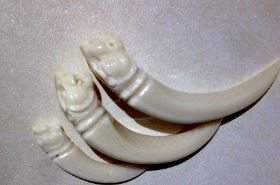
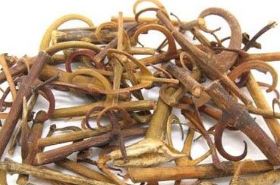
Ever heard of St. Thomas Bean? In Traditional Chinese Medicine (TCM), it goes by its Pinyin name, Ketengzi (榼藤子). This fascinating herb also boasts a few other aliases you might come across, like Elephant Bean (象豆, Xiàng Dòu), Joined Seed (合子, Hé Zǐ), Ketengzi Seed (榼子, Kē Zǐ), or even Spectacle Bean (眼镜豆, Yǎnjìng Dòu).
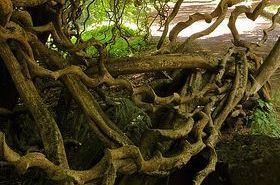
According to traditional texts, St. Thomas Bean has an astringent and slightly sweet flavor. It's considered neutral in nature and, when properly prepared, has traditionally been viewed as non-toxic.
How to Use St. Thomas Bean (Ketengzi)
Internal Use: For internal consumption, St. Thomas Bean is typically ground into a fine powder. Sometimes, it's charred until its medicinal properties are preserved (a process called "shāo cún xìng," 烧存性) before being powdered. The usual dosage ranges from 0.5 to 1 qian, which is approximately 1.5 to 3 grams.
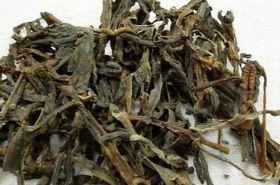
Preparation: The seeds are harvested once they mature, usually in winter or spring. After harvesting, the outer shell is removed, and the inner part is dried in the sun.
Benefits and Traditional Uses of St. Thomas Bean (Ketengzi)
Actions: In TCM, St. Thomas Bean is believed to promote the smooth flow of Qi (vital energy) to alleviate pain, resolve dampness, and reduce swelling. (PMID: 29778735)
Main Indications: Traditionally, it's been used to address a range of conditions, including:
- Bloody stools
- Dysentery with blood
- Jaundice
- Anal prolapse
- Hemorrhoids
- Sore throat
Its traditional applications highlight its role in supporting digestive health and managing discomfort. (PMID: 34199732)
Traditional Formulas Featuring St. Thomas Bean (Ketengzi)
Here are a few traditional preparations where St. Thomas Bean takes center stage:
- For Persistent Bloody Diarrhea due to "Wind-Toxin" in the Large Intestine: Take three thick, heavy St. Thomas Bean seeds. Wrap them in seven or eight layers of wet paper and roast them until they swell. Once cooled, remove the shell, finely chop the inner flesh, and grind it into a fine powder. Take 1 qian (approximately 3 grams) with a decoction of Astragalus (Huang Qi) before meals. (From *Shenghui Fang*)
- For Jaundice and Nutritional Edema: Use 1 to 3 qian (approximately 3 to 9 grams) of Spectacle Bean (Yanjing Dou) kernel powder. Mix it with boiling water and drink. (From *Southern Major Toxic Plants*)
Important Safety Note: This formula, referencing *Southern Major Toxic Plants*, highlights the need for extreme caution. The use of Spectacle Bean kernels, especially in higher doses, requires strict adherence to professional guidance to ensure safety and proper preparation. Always consult a qualified TCM practitioner or healthcare provider before attempting this or any herbal remedy.
- For Five Types of Hemorrhoids: Char St. Thomas Bean seeds into a black ash, ensuring some of their original properties are preserved (微存性). Mix this ash with rice water and take orally. (From *Bencao Yanyi*)
- For Swollen and Painful Sore Throat: Char and grind St. Thomas Bean seeds into a powder. Take 1 qian (approximately 3 grams) with wine. (From *Shenghui Fang*)
The chemical constituents of plants from the *Entada* genus, including St. Thomas Bean, have been investigated for various biological activities, further supporting their traditional uses. (PMID: 33758368)
Quick Self-Check & Self-Help:
If you often experience digestive discomfort accompanied by bloody stools, chronic hemorrhoids, or persistent sore throats, then traditional herbal remedies like St. Thomas Bean might be worth exploring for their potential to promote vital energy flow and alleviate discomfort.
Immediately consult a qualified TCM practitioner or healthcare provider to discuss your specific condition. They can help determine if St. Thomas Bean is appropriate for you and guide you on the correct dosage and preparation to ensure safety and effectiveness.
References
Traditional uses of *Entada phaseoloides* in ethnopharmacology. PMID: 34199732
Research on the anti-inflammatory and analgesic activities of *Entada phaseoloides* seed extracts. PMID: 29778735
Analysis of chemical constituents and biological activities of plants from the genus *Entada*. PMID: 33758368
For informational purposes only. Please consult a qualified practitioner of Traditional Chinese Medicine (TCM) or healthcare professional before use.