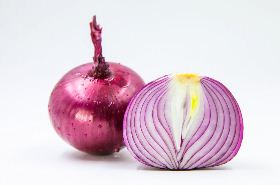
Often a humble staple in our kitchens, the onion (Allium cepa) holds a significant place in Traditional Chinese Medicine (TCM) for its remarkable health benefits. Far beyond its culinary uses, this pungent bulb is revered for its warming properties and therapeutic potential, addressing a range of common ailments from digestive discomfort to certain infections.
Aliases
In traditional contexts, onion is also known as Jade Onion, Huoti Cong, or Onion Head.
Nature and Flavor
Onion is characterized by a pungent and sweet taste, and a warm nature.
Meridian Tropism
It is traditionally believed to exert its therapeutic effects primarily through the Liver meridian.
Medicinal Part
The medicinal component of the onion plant (Allium cepa) is its bulb.
Onion Dosage and Administration
Internal Use: For internal benefits, onion can be consumed raw or cooked. Typical dosages range from 30 to 120 grams.
External Use: For topical applications, an appropriate amount of onion can be pounded into a paste for compresses or its juice can be applied directly to the affected area.
Onion's Efficacy and Indications
Efficacy: In TCM, onion is valued for its ability to support stomach function and regulate vital energy (Qi), exhibiting detoxifying and antimicrobial properties, and helping to lower blood lipids.
Indications: It is commonly used to address poor appetite accompanied by abdominal distension, aid in the healing of wounds and ulcers, manage conditions like Trichomonas vaginitis, and help with hyperlipidemia (high blood lipid levels).
Onion Combinations
A notable traditional remedy for Trichomonas vaginitis involves combining fresh onion and fresh celery in equal parts. These are pounded into a pulp, and the juice is extracted. An appropriate amount of vinegar is added to this juice. Before sleep, a cotton ball with fleece is dipped into the medicinal juice and inserted into the vagina, to be removed the next morning. This treatment is typically continued for one week, as recorded in the Fujian Materia Medica.
Important Safety Note: While traditional remedies can be insightful, internal or topical application of herbal preparations for sensitive conditions like vaginitis should only be undertaken under the guidance of a qualified healthcare professional. Self-treating can have unintended consequences. Always consult a TCM practitioner or your doctor before using any herbal treatment, especially for infections or chronic conditions.
Onion Contraindications
Individuals experiencing skin itching, eye diseases, or certain stomach ailments are generally advised to avoid or limit their consumption of onion.
Related Discussions on Onion
Various historical texts highlight the therapeutic applications of onion:
- According to Materia Medica (《药材学》), "Fresh onion paste has been applied in the treatment of wounds, ulcers, and Trichomonas vaginitis in women."
- The National Compendium of Chinese Herbal Medicine (《全国中草药汇编》) notes, "It primarily treats constipation."
- The Fujian Materia Medica (《福建药物志》) states that onion "dispels dampness and reduces swelling."
Quick Check & Natural Boost:
If you frequently experience sluggish digestion, mild abdominal distension after meals, or are looking for a natural way to support cardiovascular health, then consider incorporating more fresh or lightly cooked onion into your diet daily. Immediately, try adding a few slices of raw onion to your salad or stir-fry to kickstart its beneficial effects!
References
Onion (Allium cepa L.): A comprehensive review of its traditional uses, phytochemistry, and pharmacology. PMID: 25150824
Therapeutic potential of onion in different diseases. PMID: 29541577
Antioxidant and anti-inflammatory activities of onion and its components. PMID: 30097721
For informational purposes only. Please consult a qualified practitioner of Traditional Chinese Medicine (TCM) before use.