Can Shi Tang: A Traditional Chinese Medicine Formula for Damp-Heat
Hey there! Today, we're diving into a fascinating Traditional Chinese Medicine (TCM) formula called Can Shi Tang, often known in English as Silkworm Droppings Decoction. This isn't just a random mix; it's a carefully crafted blend designed to tackle some pretty intense internal imbalances, particularly when your body is dealing with a pesky build-up of what TCM calls "damp-heat." Think of it as your body’s internal environment getting a bit too swampy and overheated.
Understanding Can Shi Tang: How It Works
Let's break down the “why” behind Can Shi Tang's ingredients, as explained by TCM principles:
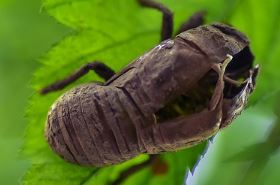
- The Star Player (君 - Jun): The main ingredient here is Silkworm Droppings (Can Sha). In TCM, this might sound unusual, but it’s exceptionally good at dispelling dampness, especially clearing out the "turbid dampness" that can accumulate in your stomach and intestines.
- The Supporting Cast (臣 - Chen): Next up, we have Coptis (Huang Lian), Scutellaria (Huang Qin), and Gardenia (Zhi Zi). These powerful herbs work together to clear heat and dry up that excess dampness, essentially cooling down and drying out your internal swamp.
- The Assistant Team (佐 - Zuo):
- Pinellia (Ban Xia) and Evodia (Wu Zhu Yu) step in to calm nausea and stop vomiting by helping descend those "turbid" or murky substances in your body.
- Soybean Sprouts (Da Dou Huang Juan), Coix Seed (Yi Yi Ren), and Papaya (Mu Gua) are all about promoting healthy digestion and ensuring your middle section's energy (what TCM calls the Middle Jiao) flows smoothly. They also ease muscle cramps and discomfort by resolving dampness.
- The Messenger/Harmonizer (使 - Shi): Finally, Tetrapanax (Tong Cao) assists in draining out any lingering damp-heat, acting as a gentle yet effective messenger throughout the formula.
Can Shi Tang: The Ingredients and How They're Prepared
For those interested in the specifics, here’s a typical composition and dosage:
- Late Silkworm Droppings (Can Sha): 15 grams
- Raw Coix Seed (Sheng Yi Yi Ren): 12 grams
- Soybean Sprouts (Da Dou Huang Juan): 12 grams
- Aged Papaya (Chen Mu Gua): 9 grams
- Sichuan Coptis (Chuan Huang Lian), stir-fried with ginger juice: 9 grams. (That ginger juice stir-fry helps mellow its cold nature a bit!)
- Processed Pinellia (Zhi Ban Xia): 3 grams
- Scutellaria (Huang Qin), stir-fried with wine: 3 grams (The wine stir-fry helps direct its action upwards and enhances its clearing properties.)
- Tetrapanax (Tong Cao): 3 grams
- Charred Gardenia (Jiao Shan Zhi): 4.5 grams
- Aged Evodia (Chen Wu Zhu Yu), steeped to reduce its pungency: 0.9 grams (This processing makes it gentler on the system.)
What Can Shi Tang Is Good For: Benefits & Indications
So, what's the big picture of what this formula does?
Overall Functions: It clears heat, resolves dampness, and helps your body achieve better internal balance by lifting beneficial energies while clearing out stagnant, turbid waste (in TCM terms, "ascending clear yang and descending turbid yin").
Main Indications: Can Shi Tang is primarily used for severe digestive upset that mimics cholera-like symptoms, especially when caused by an internal build-up of dampness and heat. This can show up as:
- Intense vomiting and diarrhea, often with abdominal pain.
- Cold limbs accompanied by muscle cramps or spasms.
- Persistent thirst and a feeling of agitation or restlessness.
- Physical signs like sunken eyes and a faint, hard-to-find pulse.
- Looking at your tongue, you might see a thick, yellow, and dry coating.
- And when a practitioner checks your pulse, it might feel soft yet rapid, or deeply hidden and faint.
Traditional Chinese Medicine (TCM) has long recognized the critical balance of internal dampness and heat for overall well-being. Formulas like Can Shi Tang highlight how specific herbal combinations are designed to address these complex imbalances, often targeting gastrointestinal distress (PMID: 26038891).
Ingredients like Coptis (Huang Lian) are extensively studied for their anti-inflammatory and antimicrobial properties, making them key in clearing internal heat and resolving digestive infections (PMID: 29807559). Similarly, Scutellaria (Huang Qin) offers robust benefits in clearing heat and drying dampness, further supporting the formula's effectiveness in managing inflammatory conditions within the gut (PMID: 27958611).
Quick Self-Check & Self-Help
If you're experiencing severe nausea, vomiting, and diarrhea, especially with intense thirst, muscle cramps, and your tongue has a thick, yellow, dry coating...
Then/Immediately, it's crucial to seek professional medical advice. While Can Shi Tang is a traditional remedy, severe symptoms like these require a proper diagnosis.
References
Coptis chinensis extracts demonstrate significant anti-inflammatory and gut-modulating effects, particularly useful in damp-heat conditions. PMID: 26038891
Berberine, a compound from Coptis chinensis, shows promise in treating various gastrointestinal disorders by affecting gut microbiota and inflammation. PMID: 29807559
Scutellaria baicalensis (Huang Qin) has documented anti-inflammatory, antioxidant, and immunomodulatory activities relevant to damp-heat conditions. PMID: 27958611
For informational purposes only. Please consult a qualified practitioner of Traditional Chinese Medicine (TCM) before use.