Er Miao San: A Traditional Chinese Medicine Formula for Damp-Heat
The Formula Verse:
The traditional verse for Er Miao San (Two Marvels Powder) tells us: "In Er Miao San, Phellodendron Bark and Atractylodes Rhizome are stewed. If 'Three Marvels' is spoken of, Achyranthes Root is added. Incorporating Coix Seed makes it 'Four Marvels', which resolves damp-heat pouring downwards, treating flaccidity and impediment syndromes."
Formula Rationale:
This formula is a foundational remedy for conditions characterized by damp-heat accumulation in the lower body. When damp-heat pours downwards and settles in the lower limbs, it can weaken the tendons and meridians, leading to flaccid limbs and muscle weakness—a condition known as Wei Syndrome (flaccidity syndrome). If damp-heat obstructs the sinews and joints, it can manifest as muscle and bone pain, red and swollen knees, or damp-heat related foot issues. When damp-heat affects the Dai Mai (Girdle Vessel) and the lower genital area, it may cause foul-smelling vaginal discharge or damp sores in the lower body. Scanty, dark urine and a yellowish, greasy tongue coating are classic signs indicating the presence of damp-heat. The treatment strategy is to clear heat and dry dampness.
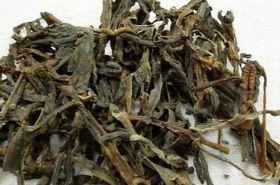
In this formula, Huang Bai (Phellodendron Bark) is the chief herb. Its bitter taste dries dampness, while its cold nature clears heat. Its descending properties make it particularly effective in clearing damp-heat from the lower body. Cang Zhu (Atractylodes Rhizome) serves as the deputy herb, with its pungent, dispersing, and bitter, drying properties. It effectively dries dampness and strengthens the Spleen, thereby addressing the root cause of dampness production.
Understanding Er Miao San: Usage and Dosage
Ingredients:
Huang Bai (Phellodendron Bark, stir-fried), Cang Zhu (Atractylodes Rhizome, soaked in rice-washing water and stir-fried), 15g each.
Traditional Preparation:
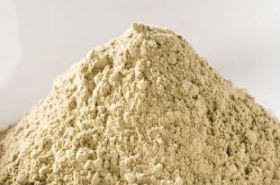
The two ingredients are typically ground into a fine powder, then mixed with boiling water and ginger juice before consumption.
Modern Applications:
Today, Er Miao San is often prepared as a powder, with equal parts of each herb. A common dose is 3-5g per serving. It can also be formulated into pills or prepared as a decoction by boiling the herbs in water.
Modifications and Variations:
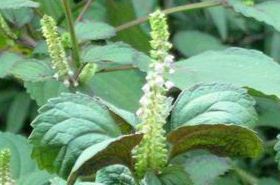
- For damp-heat induced flaccidity syndrome, herbs like Xi Xian Cao (Siegesbeckia Herb), Mu Gua (Chaenomeles Fruit), and Bi Xie (Dioscorea Hypoglauca Rhizome) can be added to further resolve damp-heat and strengthen tendons and bones.
- For damp-heat related foot issues, Yi Yi Ren (Coix Seed / Job's Tears), Mu Gua (Chaenomeles Fruit), and Bing Lang (Areca Seed) are often included to promote diuresis and resolve turbidity.
- For damp sores or eczema in the lower body, Chi Xiao Dou (Adzuki Bean) and Tu Fu Ling (Smilax Glabra Rhizome) may be added to clear damp-heat and alleviate toxins from sores.
Er Miao San: Functions and Main Indications
Functions:
Clears Heat, Dries Dampness.
Main Indications:
Primarily treats conditions of damp-heat pouring downwards, including muscle and bone pain, weakness and atrophy of the lower limbs, red and swollen knees, damp-heat vaginal discharge, damp sores or eczema in the lower body, scanty and dark urine, and a yellowish, greasy tongue coating.
Clinical Application:
Er Miao San is a foundational formula for treating Wei Syndrome (flaccidity), Bi Syndrome (painful obstruction), damp-heat related foot issues, vaginal discharge, and damp sores, all caused by severe damp-heat accumulation. Its power to clear heat and dry dampness is quite strong, making it particularly suitable for cases where both dampness and heat are prominent. Clinically, key diagnostic indicators include swelling and pain in the feet and knees, scanty and dark urine, and a yellowish, greasy tongue coating. The components of Er Miao San, such as Phellodendron Bark and Atractylodes Rhizome, have been studied for their anti-inflammatory properties, supporting its traditional use in conditions involving inflammation and dampness. PMID: 32269931
Historical Context and Commentary on Er Miao San
Original Text's Main Indications:
From Volume 4 of 'Dan Xi Xin Fa' (Teachings of Dan Xi): "Treats muscle and bone pain due to damp-heat. If Qi deficiency is present, add Qi-regulating herbs; for blood deficiency, add nourishing herbs. For severe pain, add ginger juice and take it hot and spicy." Traditional Chinese Medicine emphasizes individualized treatment, with modifications to formulas based on specific patient presentations and additional symptoms. PMID: 29515579
Selected Commentary on the Formula:
From Volume 5 of Xu Da Chun's 'Yi Lue Liu Shu' (Six Books on Medical Strategy): "When damp-heat pours downwards, the lower back becomes stiff and unable to move freely, leading to difficult joint movement and persistent heavy pain in the lumbar region. Cang Zhu (Atractylodes Rhizome) dries dampness and elevates Yang Qi; when Yang Qi circulates, the pivot joints naturally become agile. Huang Bai (Phellodendron Bark) clears heat and dries dampness; when dampness resolves, true Qi can flow smoothly. Prepared as a powder and taken with wine, it enables the circulation of damp-heat, clearing the Qi in the meridians, thus preventing stagnation in the lumbar region and restoring the pivoting function of the joints. How can the heavy pain in the back not be resolved? This formula, for clearing heat and drying dampness, is specifically for damp-heat lumbar pain." The synergistic combination of Atractylodes and Phellodendron, key ingredients in Er Miao San, targets inflammation and metabolic disturbances often associated with damp-heat conditions. PMID: 32679294
Quick Self-Check & Immediate Relief Tips
3-Second Self-Check:
If your legs feel heavy, stiff, or swollen, especially around the knees, AND your urine is scanty and dark, AND you consistently notice a sticky, yellowish coating on your tongue...
Then Immediately... (30-Second Self-Help):
Consider reducing consumption of greasy, sweet, and cold foods, which can contribute to dampness accumulation in your body. Instead, incorporate more bitter, pungent, and bland foods like celery, daikon radish, and barley to help clear dampness. While Er Miao San is a powerful option for these symptoms, consulting a qualified Traditional Chinese Medicine practitioner is crucial for a personalized diagnosis and a tailored treatment plan.
For informational purposes only. Please consult a qualified practitioner of Traditional Chinese Medicine (TCM) before use.