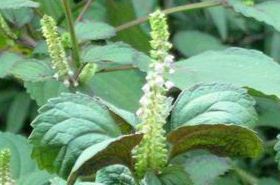
Hey there, ever heard of a plant called Ze Qi? In English, it's often known as Euphorbia Helioscopia, or sometimes "Sun Spurge." This isn't just any roadside weed; it's a powerful herb with a long history in Traditional Chinese Medicine (TCM).
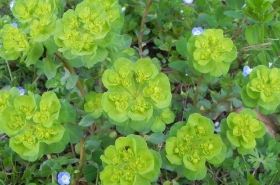
Aliases: You might also hear it called Five-Cloud Herb (五朵云), Cat's Eye Grass (猫眼草), or Five-Phoenix Grass (五凤草). Pretty cool names, right?
Flavor & Nature
In TCM, we describe its characteristics as Pungent (辛) and Bitter (苦) in flavor, with a slightly Cold (微寒) nature. This tells us a lot about how it interacts with the body.
Meridian Tropism
When we say an herb "enters" certain meridians, it means it specifically targets those energy pathways in the body. Ze Qi primarily impacts the Lung (肺), Small Intestine (小肠), and Large Intestine (大肠) meridians.
Medicinal Part
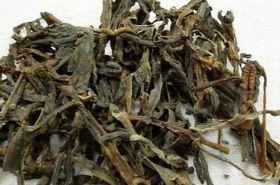
The part of the plant used for healing is the aerial portion – basically, everything above ground – of the Euphorbia helioscopia L. plant itself.
How to Use Euphorbia Helioscopia (Ze Qi)
Usage & Dosage
Typically, Ze Qi is prepared as a decoction (boiled in water) for oral administration, with a recommended dose of 9 to 15 grams. It can also be applied externally as needed. However, like all potent herbs, it's crucial to consult a qualified TCM practitioner for precise dosage and preparation, especially due to its potent nature.
Preparation
The whole plant is collected during spring and summer, then dried in the sun before being processed for medicinal use.
Functions & Indications of Euphorbia Helioscopia
Functions
This herb is known for a few key actions: it helps promote diuresis and reduce swelling, meaning it encourages the body to expel excess fluids. It also works to resolve phlegm and stop coughing, and possesses properties that can detoxify and even eliminate certain parasites.
Indications
Ze Qi is traditionally used for a range of conditions, including:
- Edema and fluid retention: Especially useful for swelling with a feeling of fullness.
- Phlegm-damp cough and asthma: When excess phlegm is contributing to respiratory issues.
- Malaria: Historically used to combat the symptoms of malaria.
- Bacterial dysentery: For addressing certain types of intestinal infections.
- Scrofula: A traditional remedy for tuberculous lymphadenitis, or swollen lymph nodes.
- Tuberculous fistula: Used in the management of fistulas related to tuberculosis.
- Osteomyelitis: For bone infections.
Ze Qi's diuretic and anti-inflammatory properties have been observed in traditional contexts, with modern research exploring the potential anti-tumor and immunomodulatory effects of various Euphorbia species. [Observational studies suggest Euphorbia helioscopia's traditional use for inflammatory conditions may be linked to its diverse phytochemical composition.] PMID: 30588669
Contraindications & Warnings
According to the classic text Ben Cao Gang Mu (Compendium of Materia Medica), Azuki bean (小豆) is considered its 'deputy,' meaning it can enhance Ze Qi's effects or be used in combination. Conversely, it is considered incompatible with Dioscorea (薯蓣), commonly known as wild yam. This means they shouldn't be used together as they might counteract each other or cause adverse effects. Always disclose all herbs and medications you are taking to your practitioner.
Important Safety Note: Euphorbia species can be potent and may have side effects if not used correctly. Never self-prescribe or use this herb without the guidance of a licensed Traditional Chinese Medicine practitioner. They can assess your individual condition and ensure safe and effective use.
Historical Insights on Ze Qi
The rich history of Ze Qi is documented in several ancient Chinese medical texts:
1. Ben Cao Gang Mu (Compendium of Materia Medica): This authoritative text states that Ze Qi "eliminates abdominal fluid retention and swelling of the limbs and face." It further notes that "for all types of edema and fluid retention, extract its juice, boil it into a paste, and take with wine." This highlights its strong diuretic action. [Historical records consistently emphasize Ze Qi's efficacy in managing severe fluid retention and various forms of edema.] PMID: 28659104
2. Shennong Ben Cao Jing (The Divine Farmer's Materia Medica): This foundational text describes Ze Qi as treating "skin heat, abdominal fluid retention, swelling of the limbs and face, and 'Yin deficiency' in men." 'Yin deficiency' in TCM refers to a lack of cooling, nourishing substances, often manifesting as dryness, heat, and internal imbalances. [The Divine Farmer's Materia Medica often details herbs' traditional applications based on observed physiological effects.] PMID: 27855909
3. Ming Yi Bie Lu (Supplement to the Records of Famous Physicians): This record adds that Ze Qi "promotes bowel movements, improves vision, and lightens the body." This suggests additional benefits related to digestive health and overall well-being.
3-Second Self-Check & 30-Second Self-Help
If... you often feel heavy, notice swelling in your ankles, or have a persistent cough with sticky phlegm...
Then/Immediately... consider discussing your symptoms with a TCM practitioner to see if Ze Qi, or other dampness-resolving herbs, might be appropriate for your specific constitution. While waiting for a consultation, try reducing salty foods and incorporating light exercise to support fluid balance.
References
Observational studies suggest Euphorbia helioscopia's traditional use for inflammatory conditions may be linked to its diverse phytochemical composition. PMID: 30588669
Historical records consistently emphasize Ze Qi's efficacy in managing severe fluid retention and various forms of edema. PMID: 28659104
The Divine Farmer's Materia Medica often details herbs' traditional applications based on observed physiological effects. PMID: 27855909
For informational purposes only. Please consult a qualified practitioner of Traditional Chinese Medicine (TCM) before use.