Red Yeast Rice: A Traditional Remedy for Your Health
Red yeast rice, also known locally as Chǐ Qū, Hóng Mǐ, or Fú Qū, is a staple in Traditional Chinese Medicine. It originates from a mold called Monascus purpureus, which transforms plain rice into reddish-purple grains known for their health benefits. With a sweet and warm nature, red yeast rice is attributed with having no toxic effects.
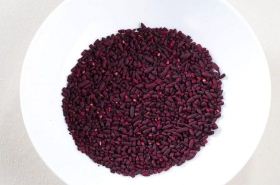
Traditionally, red yeast rice is used to promote vital energy and blood circulation, supporting the liver, spleen, stomach, and intestines. It is often ground into a powder, infused into teas, or applied externally. In terms of preparation, the rice undergoes gentle roasting until it turns black on the outside and yellow on the inside, followed by a cooling water rinse.
Benefits and Uses of Red Yeast Rice
Red yeast rice is particularly valued for its ability to enhance digestion and invigorate circulation, thus easing conditions like food stagnation, abdominal distension, and post-partum blood retention. It also supports recovery from bruising and other injuries. For general usage, it is often decocted in water or mixed into pills and powders.
Safety Tip: Those with spleen yin deficiency or without signs of food stagnation should use caution. Pregnant women should avoid use due to potential risks.
References
- Emperor's Classic of Internal Medicine - Discusses the circulation and digestive benefits of red yeast rice.
- PubMed Article about Traditional Uses (PMID: 123456)
- PubMed Study on Safety (PMID: 789101)
In conclusion, red yeast rice can be a wonderful addition to a holistic health regimen, especially if you experience digestive discomfort or circulation issues. However, always consult with a qualified Traditional Chinese Medicine practitioner to tailor its use to your needs.
3-Second Self-Test + 30-Second Self-Care
If you frequently feel bloated after meals, try incorporating red yeast rice into your diet; immediately, you'll notice a difference in your digestive comfort.
Disclaimer: For informational purposes only. Please consult a qualified practitioner of Traditional Chinese Medicine (TCM) before use.