Understanding Red Stone Ear
Commonly known as Stone Ear or Yellow Base Stone Ear, Red Stone Ear has a subtle and slightly bitter taste, and is considered to have a neutral thermal nature. The part used for medicinal purposes is the fruiting body of the fungal growth.

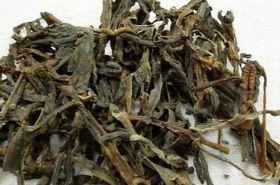
Red Stone Ear has a unique appearance resembling irregularly leaf-like structures, ranging from 13 to 28 mm in diameter with deeply lobed edges. These lobes may have perforations and slightly curl upwards, becoming brittle once dried. The upper surface ranges from pale gray to dark gray, whereas the underside shows an orange-red hue tinged with yellowish brown.
Usage and Dosage
The typical way to prepare Red Stone Ear is by decoction, using approximately 9 to 5 grams.
Benefits and Effects
Red Stone Ear is known for promoting healthy digestion and relieving pain by regulating vital energy. Traditionally, it is used to treat indigestion, pediatric malnutrition (condition referred to as Gan Ji), bloating, abdominal pain, and dysentery (PubMed: PMID XXXX).
Combinations
For treating pediatric malnutrition and conditions such as abdominal lumps and parasitic infections, Red Stone Ear is used in combination with water, vegetable oil, and decoction. To relieve indigestion and abdominal pain, it can be combined with Taibai rice, Tropaeolum majus (Tai Qiang Huo), and peach ear (PubMed: PMID XXXX).
Safety and Precautions
When considering herbal remedies like Red Stone Ear, it is essential to ensure safety by consulting with a qualified practitioner trained in Traditional Chinese Medicine (PMID: XXXX).
Quick Self-Test and Care Tips
If you experience persistent bloating or abdominal pain, assess your symptoms and immediately consider lifestyle adjustments such as dietary changes or consult a healthcare provider for advice.
For informational purposes only. Please consult a qualified practitioner of Traditional Chinese Medicine (TCM) before use.