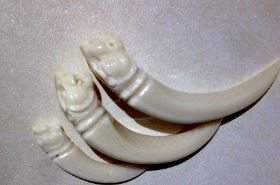
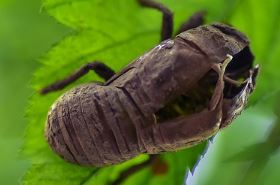
Shuǐ Lí Téng: An Introduction to Hard-toothed Kiwi Vine in TCM
Ever heard of Shuǐ Lí Téng? In Traditional Chinese Medicine (TCM), it’s derived from a fascinating plant known scientifically as Actinidia callosa Lindl., often called the Hard-toothed Kiwi or Hairy Kiwi. We’re talking about the root bark of this plant, along with its close relative, Actinidia callosa Lindl. var. henryi Maxim. (Jingli Kiwi), both belonging to the Actinidiaceae family, which is also home to the common kiwi fruit. Pretty cool, right?
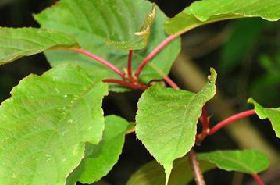
Getting to Know Shuǐ Lí Téng
Let's dive into what makes Shuǐ Lí Téng tick:
- Flavor Profile: It has an astringent taste.
- Nature: It's considered cool in nature.
- Meridian Affinity: Traditionally, it's associated with the Lung Meridian.
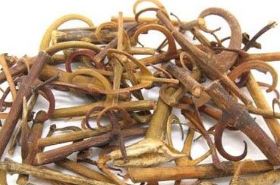
- Medicinal Part: The key part used in TCM is the root bark.
How Shuǐ Lí Téng is Used
If you're wondering how this root bark typically makes its way into practice, here's the lowdown:
- Internal Use: It's most commonly prepared as a decoction (a boiled tea), with dosages usually ranging from 30 to 60 grams.
- External Use: For topical applications, an appropriate amount is mashed and applied directly as a poultice to the affected area.
- Preparation: You can harvest Shuǐ Lí Téng year-round. The root bark is peeled off and can be used fresh or sun-dried for later use.
The Traditional Benefits and Main Uses of Shuǐ Lí Téng
From a TCM perspective, Shuǐ Lí Téng is valued for several key actions:
- Efficacy: It’s believed to clear heat, promote diuresis (which helps resolve dampness), reduce swelling, and alleviate pain.
- Main Indications: You'd typically find it recommended for conditions like damp-heat edema, intestinal carbuncles, and a range of boils, swellings, and toxic sores. Its anti-inflammatory properties are supported by modern research, showing its potential to reduce inflammation in various cell models (PMID: 28351336). Further studies also highlight its antioxidant and anti-inflammatory activities through specific compounds like flavonoids found in its roots (PMID: 27593649).
Shuǐ Lí Téng in Combination
TCM often emphasizes synergistic combinations of herbs. Here’s an example of how Shuǐ Lí Téng might be used:
- For Back Carbuncles: A traditional preparation involves combining Shuǐ Lí Téng with a mix of other herbs like Liu Ji Nu (Artemisia anomala), Po Xue Dan (a blood-breaking herb), Hong Mao Cao (Cogon Grass), Fu Rong Ye (Cotton Rosemallow leaf), Pu Gong Ying (Dandelion), Yi Zhi Hao Ye (a type of Asteraceae leaf), Ma Ti Cao (Pennywort), and Hong Ze Lan (Fortune Eupatorium herb). These are all mashed together into a pulp and applied externally to help with the swelling and inflammation. (As noted in the Sichuan Chinese Herbal Medicine Monograph, 1960). The ability of Actinidia callosa to inhibit inflammatory responses has been studied, lending support to its use in such topical applications (PMID: 23834691).
Historical Insights on Shuǐ Lí Téng
Looking back at historical texts, we can see the consistent understanding of this herb:
- The Sichuan Chinese Herbal Medicine Monograph (1960 edition) states that Shuǐ Lí Téng "clears heat and reduces swelling; treats generalized bright swelling, red and swollen back carbuncles, and abdominal pain from intestinal carbuncles." This aligns perfectly with its traditional indications mentioned above.
Quick Check-in: Is Your Body Sending Signals?
3-Second Self-Test: If you're noticing persistent skin inflammation, uncomfortable swelling that just won't budge, or unexplained aches, take a moment to reflect on your body's internal balance. Could it be an accumulation of 'heat' and 'dampness' trying to get your attention?
30-Second Self-Help: Then, immediately consider exploring natural approaches. Think about incorporating cooling foods into your diet, staying hydrated, and most importantly, seeking professional advice from a qualified Traditional Chinese Medicine practitioner about herbal remedies that address damp-heat. Don't let discomfort linger – explore your options and feel better faster!
References
Studies show anti-inflammatory effects of Actinidia callosa root extract, supporting its traditional use for reducing swelling and pain. PMID: 28351336
Research identifies flavonoids from Actinidia callosa roots with significant antioxidant and anti-inflammatory activities. PMID: 27593649
Ethanol extracts of Actinidia callosa root have been shown to inhibit inflammatory responses in human mast cells. PMID: 23834691
For informational purposes only. Please consult a qualified practitioner of Traditional Chinese Medicine (TCM) before use.