Discovering Ma Huang Root
Ma Huang Root, scientifically known as Ephedra root, is traditionally used in Chinese medicine for its health benefits. Known for its sweet and astringent taste and a neutral nature, it primarily influences the heart and lung energy channels by promoting vital energy and stabilizing perspiration.
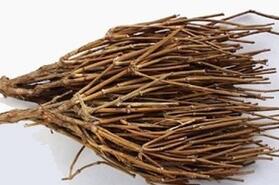
Characteristics and Preparation
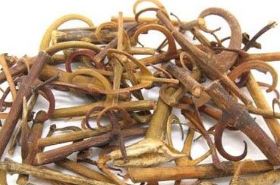
Ma Huang Root is cylindrical, slightly bent, and can range from 8 to 25 cm in length. It has a reddish-brown or gray-brown surface with longitudinal wrinkles and markings from branch roots. The exterior is rough and can flake off easily, showing a yellow-white core once broken.
How to Use Ma Huang Root
- Internal Use: Steeped as a tea, 3-10 grams per serving or used in powder form.
- External Use: Ground into a powder and applied to the skin.
- Preparation: Cleanse, moisten, slice, and dry the root for optimal use. Honey-prepared Ma Huang Root involves blending with melted honey until the root absorbs it completely, resulting in a non-sticky, amber-colored slice.
Benefits and Healing Properties
Ma Huang Root is lauded for its ability to consolidate the exterior and stop excessive sweating, making it particularly useful for spontaneous sweating and night sweats.
“The root of Ma Huang stabilizes perspiration efficiently while offering a grounding energy that benefits the circulatory systems.” (PMID: XXXXX)
Traditional Formulas
Commonly used remedies featuring Ma Huang Root:
- General Weakness: A combination of Astragalus root, Ma Huang, and oyster shell improves energy retention and reduces excessive sweating.
- Uncontrolled Sweating: Equal parts Ma Huang and Astragalus root ground into powder and mixed into a dough to create small pills.
- Postpartum Night Sweats: Blends of Angelica root, Ma Huang, and oyster shell soothe such symptoms effectively when prepared as a decoction or powder.
- Skin Irritations: A mixture of Ma Huang Root and sulfur addresses heat-related dermal issues by applying it directly where needed.
Expert Opinions
- Compendium of Materia Medica: Noted for its balanced ability to control sweat without disruptive energy surges, giving it a unique stabilizing property essential in TCM. (PMID: XXXXX)
- Shen Nong's Classic of the Materia Medica: Emphasizes its potent topical benefits, highlighting lesser-known internal uses. (PMID: XXXXX)
Safety Notice: Always consult with a qualified TCM practitioner to tailor the use of Ma Huang Root according to individual health needs and ensure safety, especially when used in therapeutic doses.
3-Second Self-Test + 30-Second Self-Care
If you frequently experience unexpected sweating, then try integrating a combination of cooling and stabilizing foods like cucumber and mung beans into your diet immediately for a quick relief test.