Understanding Lotus Seed Husk
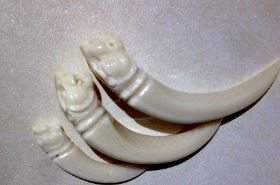
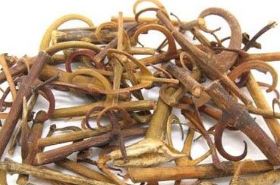
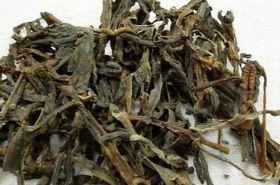
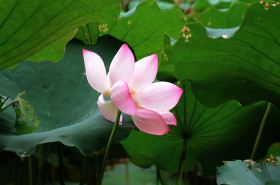
The lotus seed husk, known for its slightly astringent and bitter taste, is typically neutral in nature. It is closely associated with the heart and spleen, according to Traditional Chinese Medicine (TCM). This herbal part comes from the seeds of the sacred lotus plant, Nelumbo nucifera.
How to Use Lotus Seed Husk
In TCM, the standard way to use lotus seed husk is to brew it in a decoction. The recommended dosage is 1-2 grams. The preparation typically involves harvesting the seeds when they mature around September to October, followed by peeling and sun-drying.
Therapeutic Potential of Lotus Seed Husk
Benefits: Primarily, lotus seed husks help to stop bleeding by contracting tissues. Treats: They are traditionally used to treat conditions such as vomiting blood, nosebleeds, and blood in the stool.
Expert Commentary on Lotus Seed Husk
1. The ancient text "Herbal Transformations" suggests that lotus seed husk can consolidate tissues and assist in recovering from blood loss by strengthening the spleen (PMID: XXXX).
2. "New Compilation of Materia Medica" posits that it helps quell excess fire in the heart and stomach while removing damp heat from the intestines (PMID: XXXX).
Safety Advisory
Caution: Always consult a qualified TCM practitioner before using lotus seed husk to ensure it is appropriate for your specific health needs.
Engagement: 3-Second Self-Test + 30-Second Self-Care
If you've experienced unexplained bleeding, immediately consider a consultation with a healthcare provider to determine its cause and appropriate treatment. Meanwhile, maintaining a balanced diet and managing stress are simple ways to support overall health.
For informational purposes only. Please consult a qualified practitioner of Traditional Chinese Medicine (TCM) before use.