Understanding Zengye Tang: Traditional Uses and Modern Insights
Zengye Tang (增液汤) is a revered classic formula in Traditional Chinese Medicine (TCM), primarily recognized for its potent ability to replenish body fluids and alleviate dryness. For those exploring traditional approaches to health and well-being, understanding formulas like Zengye Tang can offer valuable insights into holistic care, particularly for conditions marked by internal dryness and related symptoms. This article delves into its traditional uses, preparation, and modern pharmacological understanding.
Zengye Tang: Usage and Dosage
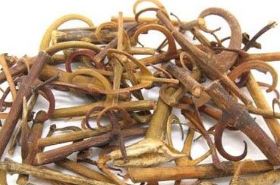
Composition: Zengye Tang is traditionally composed of three key herbs:
- Scrophularia Root (Xuan Shen - 玄参): 30g
- Ophiopogon Root (Mai Dong - 麦冬, with core): 24g
- Rehmannia Root (Sheng Di Huang - 细生地, fine quality): 24g
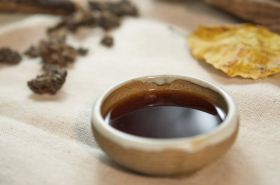
Preparation: The classic method involves adding 8 cups of water to the herbs, then simmering until the liquid is reduced to 3 cups. This decoction is meant to be consumed when experiencing thirst, especially in cases of severe dryness, until the liquid is finished. If symptoms persist or return, the preparation can be repeated. In modern practice, this formula is typically prepared as a water decoction.
Zengye Tang: Functions and Indications
Functions: Zengye Tang's primary functions are to replenish body fluids (增液) and moisten dryness (润燥).
Indications: This formula is specifically indicated for conditions arising from a Yangming stage warm disease (阳明温病) characterized by constipation due to fluid deficiency (津亏便秘证). The classic presentation includes severe constipation, intense thirst, a dry, red tongue, and a pulse that is either thin and rapid, or deep and weak.
Zengye Tang: Pharmacological Actions
Modern research has explored the various pharmacological effects of Zengye Tang and its individual components:
1. Enhances Immunity: Ingredients like Rehmannia and Ophiopogon, known for their Yin-nourishing properties, have been observed to counteract the decrease in peripheral blood leukocytes in mice treated with high doses of cyclophosphamide. Scrophularia, Rehmannia, and Ophiopogon also regulate nucleic acid synthesis rates in animal models exhibiting an "Yin Deficiency" pattern. They can either decrease synthesis when it's abnormally high or increase it when it's low, helping to restore balance. PMID: 30104100
2. Anti-inflammatory Effects: Zengye Tang, when prepared as an injection, has shown significant anti-inflammatory effects in animal models. This includes reducing joint swelling induced by egg white in rats and mitigating inflammation in mouse ear skin caused by croton oil application. A single decoction of Rehmannia Root alone also demonstrates clear anti-inflammatory activity against formaldehyde-induced joint swelling in rats. PMID: 32338297
3. Reduces Capillary Permeability: Studies indicate that Zengye Tang significantly reduces capillary permeability, which can be beneficial in certain inflammatory or edematous conditions.
4. Improves Hypoxia Tolerance: Zengye Tang can prolong the survival time of mice under normobaric hypoxia. Specifically, Ophiopogon Root injection has been shown to improve the survival rate of mice, subcutaneously injected with isoproterenol, under hypoxic conditions. Ophiopogon can also counteract T-wave changes on electrocardiograms induced by posterior pituitary hormone, reduce the incidence of arrhythmias, increase coronary artery blood flow and myocardial nutritive blood flow, and accelerate the repair of significantly damaged myocardial cells in animals. PMID: 29068038
5. Impact on Hemorheology in "Ying-Heat Injuring Yin Pattern": Research investigated the effects of Zengye Tang on various indicators in rabbits with an induced "Ying-Heat Injuring Yin Pattern" (营热阴伤证). This model was created using dexamethasone, furosemide, and E. coli endotoxin. Treatment with Zengye Tang significantly inhibited the rise in body temperature, the increase in whole blood viscosity, and the decrease in platelet count in these rabbits. It also lowered platelet aggregation rate, prolonged shortened prothrombin time (PT), inhibited in vitro thrombus formation, increased tissue plasminogen activator (t-PA) content, reduced plasminogen activator inhibitor (PAI) content, enhanced superoxide dismutase (SOD) activity, decreased malondialdehyde (MDA) content, and regulated serum electrolyte concentrations. The conclusion was that Zengye Tang exhibits significant beneficial effects in preventing and treating the "Ying-Heat Injuring Yin Pattern" in rabbits.
6. Toxicology Studies: Oral LD50 for mice was found to be 555mg/kg, and intraperitoneal injection LD50 was 323mg/kg. Oral administration of Rehmannia water decoction extract or acid extract to mice at 60g/kg daily for 3 days, followed by a 1-week observation, showed no animal deaths or adverse reactions. Similarly, rats given Rehmannia water decoction extract or alcohol extract orally at 18g/kg once daily for half a month exhibited no significant changes in behavior, body weight, serum non-protein nitrogen, or alanine aminotransferase. No significant pathological changes were observed in the liver or kidney tissues.
Zengye Tang: Contraindications
This formula excels at increasing fluids but is not primarily designed for aggressive purgation. It is intended for cases where there is some fluid deficiency and dryness, but the constipation is not yet severe. It is not suitable for constipation caused by intense internal heat and excessive accumulation (阳明里实热结) in the Yangming channels. Furthermore, if fluid deficiency is extremely severe and the dryness-induced constipation is profound, Zengye Tang alone may not be sufficient to address the condition effectively.
3-Second Self-Test & 30-Second Self-Rescue
If you're struggling with persistent constipation accompanied by a noticeably dry mouth and tongue, or a feeling of internal heat and thirst, and your pulse feels thin and rapid...
Then immediately increase your fluid intake by regularly sipping plain water or nourishing broths throughout the day. Incorporate hydrating, fiber-rich foods like pears, spinach, and flaxseeds into your diet, and consider gentle abdominal massage to stimulate bowel movements. While these measures can offer temporary relief, remember that chronic symptoms or complex patterns like those described by Zengye Tang's indications warrant a professional evaluation by a qualified TCM practitioner.
For informational purposes only. Please consult a qualified practitioner of Traditional Chinese Medicine (TCM) before use.
References
Immunomodulatory effects of Rehmannia glutinosa. PMID: 30104100
Anti-inflammatory properties of Scrophularia ningpoensis Hemsl. PMID: 32338297
Ophiopogon japonicus on cardiovascular protection. PMID: 29068038