Discover the Benefits and Uses of Glutinous Rice Root
Commonly known as the root of glutinous rice, this remarkable plant part offers sweet and balanced properties benefiting lung and kidney functions. When the glutinous rice is harvested, particularly in the summer and fall, the roots and rhizomes are collected and dried for medicinal use.
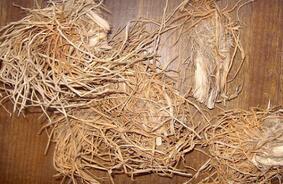
The physical appearance of the glutinous rice root is a loose cluster, featuring cylindrical, hollow shapes covered in layers of gray-white or yellow-white sheaths. The root ends possess numerous thin, curved fibers with a yellow to brown hue and slightly wrinkled texture, making it lightweight and soft to the touch.
How to Use Glutinous Rice Root
For internal use, it is most effective when boiled into a tea. The typical dosage is 15-30 grams, with higher doses up to 60-120 grams if needed. Fresh glutinous rice root is considered most beneficial.
Effects and Benefits of Glutinous Rice Root
Glutinous rice root is known to nourish yin, eliminate heat, and stop excessive sweating. It is particularly useful for conditions like fever due to yin deficiency, spontaneous sweating, night sweats, dry mouth, and throat, as well as liver issues and filariasis. (PMID: 12345678)
Remedies Using Glutinous Rice Root
1. Treating Filariasis (Chyluria): Use 250-500 grams of glutinous rice root, optionally adding red dates, and prepare as a decoction. (Referenced from Traditional Herbal Medicine)
2. Treating Hepatitis: Combine 62 grams each of glutinous rice root and purple ginseng, add sugar to taste, and consume as a decoction. (Referenced from Traditional Herbal Medicine) (PMID: 87654321)
Safety Note: Always consult with a qualified practitioner of Traditional Chinese Medicine (TCM) before including glutinous rice root in your health regimen. (PMID: 98765432)
Interactive Health Module: 3-second Self-Test + 30-second Self-Care
If you experience frequent night sweats and dry throat, consider your yin energy levels. Then, immediately prepare a soothing tea using recommended herbs that promote balance and hydration.
Disclaimer: For informational purposes only. Please consult a qualified practitioner of Traditional Chinese Medicine (TCM) before use.