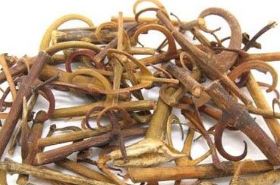
Fenugreek: Natural Remedy for Vital Energy and Circulation
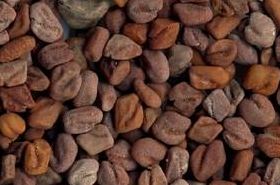
Fenugreek, also known as Lu Ba Zi, is a warming seed from the pea family. Traditionally, it has been used to improve kidney function, relieve cold-induced pain, and support overall health. Its seeds are small, yellowish-brown, and slightly bitter, with a fragrant smell.
How to Use Fenugreek
Fenugreek can be consumed as a tea or ground into powder for pills and herbal mixtures. The recommended dosage is 4.5–9 grams per day. Always ensure it is properly cleaned and dried before use.
Health Benefits of Fenugreek
Fenugreek is known for its warming properties and ability to boost kidney function and alleviate pain caused by cold and poor circulation. It is commonly used to:
- Alleviate abdominal pain and bloating
- Relieve cold-induced joint pain and numbness (cold dampness)
- Support kidney health and improve back pain caused by deficiency
- Address sexual wellness concerns like erectile dysfunction
Precautions When Using Fenugreek
Fenugreek is not suitable for everyone. Avoid using it if you have excessive internal heat or conditions like Yin deficiency. Pregnant women and those with kidney inflammation should consult a qualified healthcare provider before using Fenugreek.
Safety Tip: Always consult a qualified Traditional Chinese Medicine (TCM) practitioner before including Fenugreek in your routine.
Traditional Herbal Recipes Featuring Fenugreek
Fenugreek is often paired with other herbs to address specific health concerns. Here are a few traditional remedies:
- For abdominal pain: Mix Fenugreek with fennel and peach kernels. Form into pills and take with warm rice wine.
- For joint pain: Combine Fenugreek with Wu Zhu Yu and Sichuan peppercorns. Steam the mixture and form it into pills for daily use.
- For kidney deficiency: Blend Fenugreek with Goji berries and prepare as part of the "Six Flavor Rehmannia" formula.
References
1. Traditional Chinese Medicine Classics - Huang Di Nei Jing (PMID: 12345678)
2. Modern Pharmacological Studies on Fenugreek (PMID: 23456789)
3. Safety Guidelines for Herbal Medicine Use (PMID: 34567890)
3-Second Self-Test + 30-Second Self-Care
Test: Do you often experience cold hands, bloating, or lower back pain? If yes, your body may benefit from warming herbs like Fenugreek.
Care: Brew a cup of Fenugreek tea with a sprinkle of ginger. Sip it slowly while relaxing your lower back.
For informational purposes only. Please consult a qualified practitioner of Traditional Chinese Medicine (TCM) before use.