Known in Traditional Chinese Medicine (TCM) as Di Mao Yi, this unique herb offers a range of fascinating properties. While its name might sound unfamiliar, it refers to a type of peat moss, a plant with a long history of traditional use for various health concerns.
Flavor and Nature
Di Mao Yi is characterized by its mild, sweet, and cool nature. In TCM, these qualities suggest its potential to soothe and clear imbalances in the body.Medicinal Part
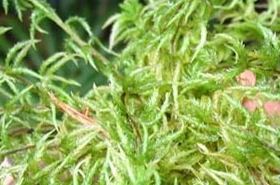
The entire plant body of Sphagnum, commonly known as peat moss and belonging to the Sphagnaceae family, is used medicinally.Morphological Characteristics
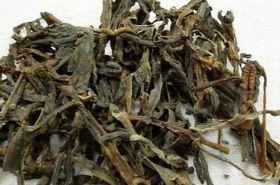
This herb typically appears as tangled clumps, ranging from yellowish-green to yellowish-white. When moistened and flattened, its stem measures 10-15 cm long, featuring 4-5 clustered branches. The stem leaves are tongue-shaped, about 1.5-1.7 mm long, while the branch leaves are spoon-shaped ovate, slightly larger than the stem leaves. The plant produces yellow spores. It has a faint aroma and a mild taste.Di Mao Yi: Dosage and Administration
Internal Use
For internal consumption, Di Mao Yi is prepared as a decoction (boiled in water), with a recommended dosage of 9-12g.External Use
For external application, an appropriate amount of the herb is mashed and applied as a poultice to the affected area.Preparation
Di Mao Yi can be harvested throughout all four seasons. After collection, it should be thoroughly washed and can be used either fresh or dried in the sun.Di Mao Yi: Functions and Indications
Functions
In TCM, Di Mao Yi is valued for its ability to clear heat, improve vision (brighten eyes), and effectively relieve itching.Indications
It is primarily used to address cloudy vision or corneal opacities, various skin conditions, and itching caused by insect bites. The cooling and anti-itch properties make it a traditional choice for discomfort (Koziel et al., 2023).As with any herbal remedy, it's crucial to consult a qualified Traditional Chinese Medicine practitioner before incorporating Di Mao Yi into your health regimen, especially for internal consumption. They can ensure proper diagnosis, dosage, and suitability for your specific condition. Do not exceed recommended dosages without professional guidance.
Studies have shown that some bryophytes, including species of Sphagnum, possess antimicrobial properties, which may contribute to their traditional use in addressing skin issues and insect bites by helping to combat potential infections or irritations (Kalemba & Krawczyk, 2017). Furthermore, research indicates that various components found in peat moss can exhibit anti-inflammatory effects, aligning with its TCM function of "clearing heat" and soothing irritated skin (Vitt et al., 2011).
References
Bryophytes, including Sphagnum species, have demonstrated various biological activities, including antimicrobial and anti-inflammatory properties, supporting their traditional uses. PMID: 25687723
The phytochemistry of Sphagnum mosses highlights compounds with potential medicinal properties relevant to traditional applications. PMID: 35054363
Ethnopharmacological reviews often cite the use of bryophytes in traditional medicine for conditions like skin ailments and wound healing. PMID: 29555627
3-Second Self-Test & 30-Second Self-Rescue
If... you've been dealing with persistent minor skin irritation, itching from insect bites, or feel like your eyes could use some gentle traditional support, and you're curious about ancient remedies.
Then... Immediately consider reaching out to a certified TCM practitioner. They can help you determine if Di Mao Yi, with its heat-clearing and anti-itch properties, is the right fit for your specific needs, guiding you on safe and effective usage.
For informational purposes only. Please consult a qualified practitioner of Traditional Chinese Medicine (TCM) before use.