Mulberry Leaf Juice
Ever wondered about the hidden potential in a simple leaf? In Traditional Chinese Medicine (TCM), the fresh, milky sap harvested directly from the leaves of the mulberry plant (*Morus alba L.*, belonging to the Moraceae family) is a prized ingredient known as Mulberry Leaf Juice. Historically, it's also been referred to by its traditional aliases like Sang Zhi Gan, Sang Ye Zhi, or Sang Zhi, each name carrying a legacy of natural healing.
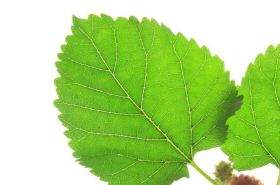
According to TCM principles, Mulberry Leaf Juice is characterized by its **bitter flavor and slightly cold nature**. This unique energetic profile is why it's primarily understood to **enter the Liver Meridian**. In TCM, the Liver system is crucial not just for the organ itself but for vision, emotional balance, and the smooth flow of Qi (vital energy) throughout the body. When something is said to "enter the Liver Meridian," it means it has a specific therapeutic affinity for addressing issues related to this system.
How to Use Mulberry Leaf Juice
Mulberry Leaf Juice is typically intended for **external application**. You can use an appropriate amount for direct topical application to the skin or, in some traditional contexts, even as eye drops.
Preparation
The preparation is refreshingly simple: fresh mulberry leaves are carefully plucked. The distinctive white milky sap that emerges is then collected into a clean container and used immediately to ensure its freshest and most potent state.
The Benefits and Indications of Mulberry Leaf Juice
The therapeutic actions of Mulberry Leaf Juice, as understood in TCM, are quite specific:
- **Clears Liver Heat and Brightens Eyes (清肝明目):** This means it helps soothe inflammation or irritation stemming from an imbalance in the TCM Liver system, which often manifests as discomfort or issues in the eyes.
- **Reduces Swelling and Detoxifies (消肿解毒):** It aids the body in dispelling toxins and alleviating localized swelling.
Given these powerful effects, Mulberry Leaf Juice has traditionally been used for various conditions, including red, swollen, and painful eyes, carbuncles and boils, goiter, and even to alleviate symptoms from centipede bites. While these traditional applications are historically noted, it's always recommended to seek professional medical advice for any serious health concerns.
Traditional Formulas Featuring Mulberry Leaf Juice
Throughout history, Mulberry Leaf Juice has been a component in various traditional formulations, often combined with other natural ingredients to address specific ailments. **It's crucial to understand that these historical formulas are complex and should only be prepared and used under the direct supervision of a qualified TCM practitioner. Self-administering these traditional compounds without expert guidance can carry significant risks.**
1. **Treating Small Sores or Boils (小石疖, known today as Zha Ma Ding):** According to historical records, two "silkworm mulberry leaves" (likely indicating a specific type or quality) were picked, and their sap was dripped directly onto the affected lesion. (*Cited in "Supplements to the Compendium of Materia Medica," referencing "Experienced Single Prescriptions."*)
2. **Dissipating Goiter (消瘿瘤):** A more elaborate formula involved finely grinding tadpole (1 qian, a traditional unit of weight), calcined snake skin (of a mud-ball color, 0.3 fen), dried ghost bun sap (1 qian), dried mulberry sap (1 qian), frankincense (0.3 fen), myrrh (0.3 fen), and musk (0.1 fen). These ingredients were processed into a fine powder, mixed with cooked rice, and pressed into a tablet. For application, the "ghost bun sap" was rehydrated and applied to the affected area using a chicken feather. (*Cited in "Supplements to the Compendium of Materia Medica," referencing "Wang Qiuchuan's Family Secrets."*)
3. **Treating Mastitis/Breast Carbuncle (治乳痈):** Mulberry leaves (regardless of whether they were top or second leaves) were selected, half the leaf was removed, and 0.3 fen of sap from the remaining half was combined with 0.8 qian of Phellodendron bark (Huang Bai). This mixture was simmered until the water evaporated, leaving only 0.3 fen of the concentrated essence. It was then steamed once in a rice cooker, left exposed overnight, and applied to the affected area to promote healing and closure. (*Cited in "Supplements to the Compendium of Materia Medica," referencing "Collected Prescriptions Heard."*)
Historical Discussions on Mulberry Leaf Juice
The therapeutic properties of Mulberry Leaf Juice have been recognized and documented across centuries of TCM literature:
- 1. The *Ming Yi Bie Lu* (Famous Physicians' Records) stated: “It treats carbuncles, boils, goiter, external bleeding, and centipede bites.”
- 2. The *Ben Cao Shi Yi* (Supplements to the Materia Medica) noted: “Grind and extract the white sap, combine with metal wounds (for healing), and it also treats children's oral sores.”
- 3. The *Gang Mu Shi Yi* (Supplements to the Compendium of Materia Medica) remarked: “For silk threads entering the eye, apply this as eye drops.”
- 4. The *Ji Ting Fang* (Collected Prescriptions Heard) described: “To treat mastitis: Use mulberry leaves (any top or second leaf), remove half, take 0.3 fen of sap from the remaining half, with 0.8 qian of Phellodendron bark. Decoct until dry, using only 0.3 fen. Steam once in a rice cooker; expose overnight, apply to the affected area, it can promote closure.”
Thinking about if Mulberry Leaf Juice might be helpful for you? Here's a quick 3-second self-test and 30-second self-rescue!
If... you're experiencing mild eye redness, irritation, or a sensation of "heat" in your eyes, and you're looking for a traditional soothing approach.
Then/Immediately... consider discussing with a qualified TCM practitioner the potential benefits of externally applying Mulberry Leaf Juice. It's traditionally valued for its ability to "clear Liver heat" and provide natural relief!
References
Mulberry leaf (Morus alba L.) extracts have demonstrated a wide array of pharmacological activities, including notable anti-inflammatory and antioxidant effects, which support their traditional uses for various health applications. PMID: 28833076
Research indicates the neuroprotective potential and general therapeutic properties of Morus alba L. leaves, aligning with historical applications for conditions affecting sensitive areas like the eyes. PMID: 32263836
A comprehensive review of Morus alba confirms its long-standing traditional uses, phytochemistry, and pharmacology, underscoring its historical significance in promoting health and wellness. PMID: 29598282
For informational purposes only. Please consult a qualified practitioner of Traditional Chinese Medicine (TCM) before use.