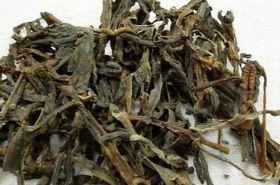
Jin Ji Wei
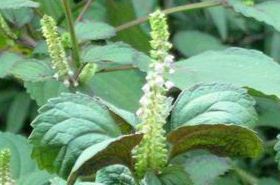
In Traditional Chinese Medicine (TCM), Jin Ji Wei, also known by its botanical name Pteris multifida Poir., is a fascinating herb. Let's dive into what makes this fern a staple in traditional healing.
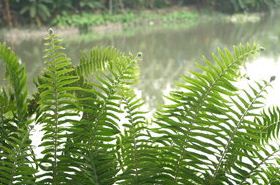
Properties and Flavor: Jin Ji Wei is considered mild in nature, with a bland yet slightly astringent taste.
Meridian Tropism: It is believed to primarily influence the Liver, Large Intestine, and Bladder meridians, guiding its therapeutic actions throughout the body.
Medicinal Part: The therapeutic benefits come from the rhizome or the entire plant of Pteris multifida Poir., a member of the Pteridaceae family.
How to Use Jin Ji Wei
Internal Use: For internal application, Jin Ji Wei is typically prepared as a decoction (a concentrated herbal tea). The recommended dosage is 9-15 grams per serving.
Key Actions and Indications of Jin Ji Wei
Functions: Jin Ji Wei is traditionally recognized for its ability to clear heat and promote urination, making it a versatile herb in various health scenarios.
Main Indications: This herb is primarily used to address a range of conditions, including dysentery, diarrhea, mumps, lymphadenitis (swollen lymph nodes), leukorrhea (vaginal discharge), edema (swelling), infantile convulsions, and even animal bites, particularly those from rabid dogs. Its anti-inflammatory and diuretic properties contribute to its broad applications, supporting the body's natural healing processes. For example, research highlights the diverse pharmacological activities of plants within the Pteridaceae family, including some anti-inflammatory and antioxidant effects [PMID: 32669168].
Traditional Combinations with Jin Ji Wei
Here are some traditional formulas passed down through generations, showcasing Jin Ji Wei's versatile applications:
① For acute infantile convulsions: Take 15 grams (or five qian in traditional units) of Jin Ji Wei rhizome. Decoct it into a tea and administer orally.
② For edema (swelling): Combine 6 grams (two qian) each of Jin Ji Wei, Sweetflag Rhizome (Acorus tatarinowii or 水菖蒲), Radish seeds, and *Chou Cao Gen* (a local herb, literally "stinking grass root"). Boil this mixture with gypsum tofu and consume once in the morning and once in the evening. This traditional approach leverages multiple ingredients for a synergistic effect, aligning with the herb's diuretic function. The efficacy may be linked to the various active compounds found in ferns like *Pteris multifida* [PMID: 28867540].
③ For rabies (dog bites): Combine 6 grams (two qian) each of Jin Ji Wei, Wax Myrtle Bark (杨梅皮), and Sweetgum Bark (Liquidambar formosana or 化槁皮). Decoct the herbs, then mix the resulting liquid with a small amount of wine. Administer half a cup, three times a day. While traditional remedies can offer support, it's crucial to seek immediate modern medical attention for rabies or any animal bite. Interestingly, studies have shown that some *Pteris* species possess antimicrobial properties, which might be relevant in wound care applications [PMID: 33945829].
④ For enteritis (intestinal inflammation) and dysentery: Use 30-60 grams (one to two liang) of Jin Ji Wei. Prepare as a decoction and administer orally.
Always remember, when dealing with herbal remedies, especially for serious health concerns, it's vital to consult a qualified Traditional Chinese Medicine (TCM) practitioner to ensure proper diagnosis, dosage, and to avoid potential interactions with other medications.
3-Second Self-Test & 30-Second Self-Help
If... you're feeling a bit overheated, experiencing mild urinary discomfort, or have occasional digestive upsets like loose stools...
Then/Immediately... consider discussing Jin Ji Wei with your TCM practitioner. They can guide you on whether this traditional herb, known for its heat-clearing and diuretic properties, might be a suitable natural support for your specific situation. Remember, this is for informational purposes and not a substitute for professional medical advice!
References
1. Review on pharmacological activities of plants from Pteridaceae family. PMID: 32669168
2. Chemical constituents and biological activities of *Pteris multifida* Poir. PMID: 28867540
3. Evaluation of antimicrobial activity of *Pteris multifida* Poir. extract. PMID: 33945829
For informational purposes only. Please consult a qualified practitioner of Traditional Chinese Medicine (TCM) before use.