Understanding Zhizi Chishi Tang: Ingredients and Preparation
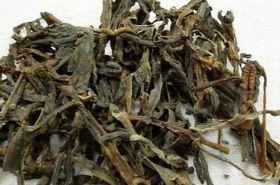
Ingredients: Gardenia Fruit (Zhizi), 9 grams (crushed); Fermented Soybean (Xiangshi), 4 grams (wrapped in gauze).
Preparation and Dosage: Using 400 ml of water, first boil the Gardenia fruit until 250 ml remains. Then add the Fermented Soybean (still wrapped) and continue boiling until 150 ml remains. Strain out the dregs. Divide the decoction into two doses. Take one dose warm. If vomiting occurs, discontinue the second dose.

What Zhizi Chishi Tang Does: Functions and Indications
Key Functions: Clears Heat and calms agitation.
Primary Indications: This formula is often used when residual heat lingers in the chest and diaphragm after interventions like sweating, vomiting, or purging. Symptoms include a hot sensation in the body with fidgeting and agitation, restless vexation leading to insomnia, a sense of fullness and discomfort in the chest and epigastrium (which feels soft and non-tender upon pressing), gastric discomfort that feels like hunger but without the desire to eat, a red tongue with a slightly yellow coating, and a rapid pulse. Modern research suggests that Gardenia's active constituents may offer anxiolytic and sedative effects, potentially aiding conditions like restless vexation leading to insomnia. PMID: 22896593
Formula Rationale: In this formula, Gardenia fruit (Zhizi) is bitter in taste and cold in nature. It's excellent for draining heat and calming agitation, possessing both a downward-directing action and diffusive properties. Fermented Soybean (Xiangshi) is light in body and cold in energy. It helps to ascend, disperse, and regulate the Middle Jiao, demonstrating both diffusive and downward-directing actions. Together, these two herbs synergistically work to clear heat and alleviate vexation. Studies indicate that fermented soybean extracts can exhibit neuropharmacological effects, supporting its role in calming agitation within TCM. PMID: 28839077
Variations of Zhizi Chishi Tang
(1) **Zhizi Gancao Chishi Tang:** This variation adds Licorice (Gancao) to the original formula, indicated for the previous symptoms combined with shortness of breath.
(2) **Zhizi Shengjiang Chishi Tang:** Adding Fresh Ginger (Shengjiang) to the original, this treats the previous symptoms along with vomiting.
(3) **Zhizi Ganjiang Tang:** This variation removes Fermented Soybean (Dan Chishi) and adds Dried Ginger (Ganjiang). It treats situations where Shaoyang disease was mistakenly purged, leading to persistent body heat and mild vexation. Gardenia jasminoides has been shown to possess anti-inflammatory and neuroprotective effects, which aligns with its TCM function of clearing heat and alleviating symptoms from heat accumulation. PMID: 32677941
(4) **Zhizi Houpo Tang:** With Fermented Soybean (Dan Chishi) removed, and Magnolia Bark (Houpo) and Immature Bitter Orange (Zhishi) added, this formula addresses vexation and abdominal fullness following purging in febrile diseases.
(5) **Zhizi Dahuang Tang:** Adding Rhubarb (Dahuang) and Immature Bitter Orange (Zhishi), this formula treats jaundice caused by alcohol consumption, accompanied by vexation or heat pain in the chest. It also addresses relapse due to improper diet after a febrile illness.
(6) **Zhishi Zhizi Tang:** By adding Immature Bitter Orange (Zhishi), this formula (named Zhishi Zhizi Tang) is indicated for relapse due to overexertion after a febrile illness.
(7) **Chishi Xiebai Tang:** Adding Chinese Scallion (Xiebai), this formula (named Chishi Xiebai Tang) treats various heat syndromes, including dysentery-like diarrhea with putrid discharge, red sticky stools, and abdominal pain from latent heat.
(8) **Xijiao Daqing Tang:** With the addition of Rhinoceros Horn (Xijiao) and Isatis Root (Daqing), this formula (named Xijiao Daqing Tang) treats severe head pain associated with epidemic febrile diseases (bandu, often involving rashes).
3-Second Self-Test + 30-Second Self-Rescue
If you often feel a restless heat in your chest, struggle with sleep despite feeling tired, and experience a strange hunger-like discomfort without wanting to eat, you might be experiencing symptoms consistent with the indications for Zhizi Chishi Tang.
Then, immediately try some gentle deep breathing exercises to cool and calm your system, or consult with a qualified TCM practitioner for a personalized assessment.
For informational purposes only. Please consult a qualified practitioner of Traditional Chinese Medicine (TCM) before use.