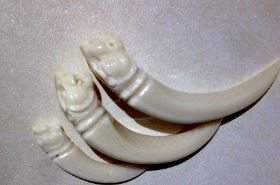
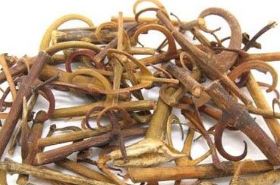
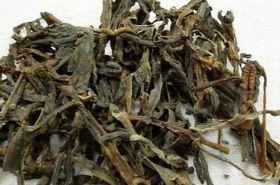
Bu Zha Ye
Other Names: Suo Yi Zi, Po Bu Ye, Ma Bu Ye.
Nature and Flavor: Sour in taste, cooling in nature.
Meridian Affiliation: Spleen and Stomach meridians.
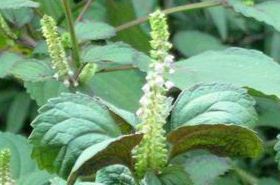
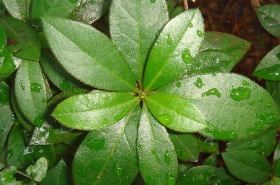
Medicinal Part Used: The dried leaves of the plant Microcos paniculata (family Tiliaceae).
Botanical Characteristics: An evergreen shrub or small tree, typically 3–10 meters tall, with grayish-black bark. Young parts are covered with fine, star-shaped hairs. It prefers a warm, humid climate, tolerates mild drought, but does not tolerate waterlogging. It grows best in deep, fertile, well-drained loamy soil. It flowers from June to August and bears fruit from August to October. Commonly found in hillsides, forest edges, roadside areas, or under sparse woods; rarely cultivated.
How to Use Bu Zha Ye
Dosage: 15–30 grams.
Preparation: Remove small stems and impurities, then dry in the shade or under the sun before use.
Benefits and Traditional Uses of Bu Zha Ye
Functions: Supports digestion and relieves food stagnation; clears internal heat and helps the body drain excess dampness.
Indications: Traditionally used for food accumulation with bloating, fever associated with the common cold, and damp-heat jaundice.
In Traditional Chinese Medicine (TCM), Bu Zha Ye is valued for its ability to “clear heat” and “resolve dampness.” In modern, easy-to-understand terms, this means it may help when your digestion feels sluggish, your body feels overheated, or you’re dealing with symptoms like a heavy sensation, low appetite, mild fever, or yellowish skin tone linked to damp-heat patterns. The concept of the Spleen and Stomach in TCM refers broadly to digestive function and nutrient processing—similar to how we think about gut health and metabolic balance today.
Research suggests that many heat-clearing herbs contain bioactive compounds with anti-inflammatory and liver-protective potential, which may help explain their traditional use in conditions like jaundice and febrile illness (PMID: 16194058). Digestive-regulating herbs have also been studied for their effects on gastrointestinal motility and functional dyspepsia (PMID: 25908626). Additionally, plant-based compounds with antioxidant activity may contribute to liver support and metabolic health (PMID: 16856765).
Safety Note: While Bu Zha Ye is considered cooling in nature and traditionally mild, it should be used within the recommended dosage (15–30g). Excessive intake may weaken digestion, especially in individuals who already experience loose stools or a tendency to feel cold. Pregnant or breastfeeding individuals, and those with chronic medical conditions, should consult a qualified TCM practitioner before use.
3-Second Self-Check + 30-Second Reset
If you feel bloated after meals, have a low-grade fever with a heavy body sensation, or notice a yellowish tint to your eyes or skin, then your body may be dealing with digestive stagnation or damp-heat imbalance.
Immediately: Simplify your next 24 hours—eat light, easy-to-digest foods (like rice porridge or steamed vegetables), avoid greasy or fried meals, hydrate well, and rest. If symptoms persist or worsen, seek medical evaluation promptly.
References
Heat-clearing herbs may exhibit anti-inflammatory effects. PMID: 16194058
Herbal medicine has shown potential benefits for functional digestive disorders. PMID: 25908626
Plant-derived antioxidants may support liver health. PMID: 16856765
For informational purposes only. Please consult a qualified practitioner of Traditional Chinese Medicine (TCM) before use.