Bifloral Viola: Nature's Healing Herb
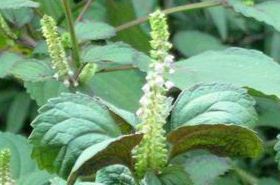
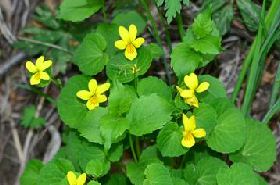
Ever heard of Bifloral Viola? Known in Chinese as 双花堇菜, this herb has a lot to offer in terms of traditional health benefits. Commonly referred to as Duanjuzu Viola or Gusuibu in some Chinese texts, this plant has a spicy and slightly sour taste, with a neutral nature that aligns with lung and liver meridians in Traditional Chinese Medicine (TCM).
How to Use Bifloral Viola
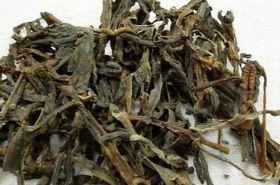
The whole plant, which belongs to the Violaceae family, is used for medicinal purposes. For internal use, it is generally prepared as a decoction in dosages ranging from 9-15 grams. When used externally, it can be crushed and applied directly to the affected area. Traditionally, the plant is harvested in summer, thoroughly cleaned, and either used fresh or dried in the sun.
Benefits and Uses of Bifloral Viola
Bifloral Viola is praised for its ability to promote blood circulation and relieve blood stasis while also stopping bleeding. It's especially beneficial for addressing physical trauma, such as sprains or bruise-induced bleeding. Additionally, it can be helpful for conditions like hemoptysis and acute pneumonia, as well as cases of pulmonary hemorrhage.
Traditional Insights on Bifloral Viola
According to "The Herbal Medicine Records of Changbai Mountain" (长白山植物药志), the root of Bifloral Viola can induce vomiting, while the flowers and leaves are used as a mild laxative. Furthermore, the flowers can induce sweating and relieve pain.
More about TCM practices (PMID: XXXXX) Studies on medicinal herbs (PMID: YYYYY) Bifloral Viola benefits (PMID: ZZZZZ)Safety Notice: Always ensure that any herbal treatment is suitable for your individual health needs. Consult a qualified TCM practitioner before starting any new herbal therapy.
Engage with Your Health
If you're experiencing unusual bruising or bleeding, immediately consult a healthcare provider. For daily wellness, consider integrating gentle physical activities into your routine to promote healthy blood circulation.
For informational purposes only. Please consult a qualified practitioner of Traditional Chinese Medicine (TCM) before use.