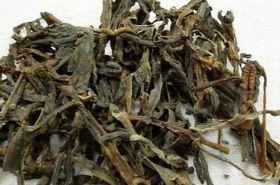
Yiwei Tang
Let's dive into Yiwei Tang, a classic Traditional Chinese Medicine (TCM) formula. A traditional verse summarizes its essence:
Yiwei Tang nourishes Stomach Yin,
With Rock Sugar, Yu Zhu, and Sha Shen.
Mai Dong and Sheng Di, simmered in a brew,
Sweet, cool, moistening, bringing vital fluids anew.
So, what's the story behind this formula? In Traditional Chinese Medicine, warm-febrile diseases, which are essentially heat-related illnesses, can easily progress and deplete your body's essential fluids (Yin). When there's severe internal heat accumulation, sometimes practitioners use purgative therapies to clear it out. Even after the heat is gone, the stomach's Yin (its moistening and cooling essence) might be severely damaged. This often leads to symptoms like a poor appetite, and that persistent dry mouth and throat feeling. You see, the stomach is considered the "sea of grain and water" in TCM, meaning it's super important for digestion and nourishing all your body's energy pathways. When Stomach Yin is replenished, your body's energy flows correctly, and your appetite comes back.
The approach here is to use ingredients that are sweet and cool to generate fluids, nourish Yin, and support the stomach. This formula puts a strong emphasis on Raw Rehmannia Root (Sheng Di Huang) and Ophiopogon Root (Mai Dong). These two are like the "chief" ingredients; with their sweet and cool nature, they're excellent at nourishing Yin, clearing heat, generating fluids, and moistening dryness – truly top-notch for benefiting the stomach with their sweet and cooling properties.
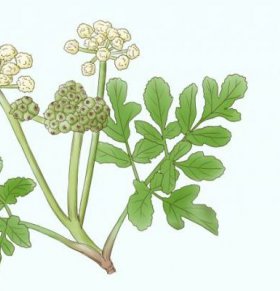
Then we have Glehnia Root (Sha Shen) and Solomon's Seal Rhizome (Yu Zhu) as the "deputy" ingredients. They further boost the Yin-nourishing and fluid-generating effects, enhancing the power of Sheng Di Huang and Mai Dong to nourish the stomach's Yin. Finally, Rock Sugar acts as the "assistant," gently moistening both the lungs and stomach, and harmonizing all the other herbs to work together effectively.
How to Use Yiwei Tang and What's in It
Let's talk about the exact breakdown and how to prepare this formula:
Ingredients:
- Glehnia Root (Sha Shen): 9g
- Ophiopogon Root (Mai Dong): 15g
- Rock Sugar: 3g
- Raw Rehmannia Root (Sheng Di Huang): 15g
- Fragrant Solomon's Seal Rhizome (Yu Zhu, stir-fried): 4.5g
Preparation: Combine the above ingredients with five cups of water. Simmer until the liquid reduces to two cups. Drink this in two separate doses. You can then re-boil the remaining herbal dregs with one cup of water and consume that as an additional dose.
Modifications (Adjustments by a practitioner):
- If someone experiences excessive sweating, shortness of breath, and also shows signs of "Qi deficiency" (a lack of vital energy), a practitioner might add Codonopsis Root (Dang Shen) and Schisandra Berry (Wu Wei Zi) to boost energy and reduce sweating.
- For those who feel epigastric distention or bloating after eating, Tangerine Peel (Chen Pi) and Massa Fermentata Medicinalis (Shen Qu) could be added to regulate energy flow and aid digestion.
What Yiwei Tang is Good For and When to Use It
Key Actions: Primarily, it nourishes Yin and benefits the stomach.
Main Indications: This formula is typically used for conditions stemming from "Yangming warm-febrile disease" – a specific stage of heat-related illness in TCM – where the Stomach Yin has been damaged. You might experience symptoms like poor appetite, a dry mouth and throat, a red tongue with very little coating, and a thready, rapid pulse. PMID: 32679261
Clinical Application: Yiwei Tang is a go-to formula for nourishing Stomach Yin. In clinical practice, the key diagnostic indicators for using this formula are feeling hungry but having no desire to eat, experiencing dry mouth and throat, observing a red tongue with minimal fluids, and a thready, rapid pulse. PMID: 28867784
What the Classics Say About Yiwei Tang
1. From the Original Text: The famous "Treatise on Differentiation of Warm-Febrile Diseases" (Wēnbìng Tiáobiàn), Volume 2, states: "For Yangming warm-febrile disease, after purgation and sweating, one should restore its Yin. Yiwei Tang is the principal formula for this."
2. Selected Commentary on the Formula: "Comprehensive Explication of Formulas" (Chéng Fāng Biàn Dú) elaborates: "When Cold Damage (another type of febrile disease) is transmitted to the Yangming stage, the primary concern is the loss of body fluids. How much more so for a warm-febrile disease transmitted to Yangming, especially after sweating and purgation? Therefore, even if the pathogen is resolved, the stomach's fluids are severely depleted. If Yin is not urgently restored, there is a risk that fluid deficiency will lead to dryness, resulting in symptoms like dry cough and body heat."
The text continues: "The Yangming system governs body fluids, and the stomach is considered the 'sea of the five Zang and six Fu organs' (all major internal organs). All normal vital energy in humans originates from the stomach. Once the stomach's fluids deplete, all Zang-Fu organs lose their proper nourishment. Therefore, this formula uses a collection of sweet, cool, and moistening ingredients. When consumed, they enter the stomach to restore its Yin. Naturally, this process allows nutrients to be transported to the Spleen, the Spleen then distributes these essences upward to the Lungs, regulating water passages, and downward to the Bladder. With all these vital pathways working smoothly, fluids are generated spontaneously, and the body's form and function are naturally restored." PMID: 34167905
Quick Self-Check & Immediate Steps
3-Second Self-Test: If you're constantly feeling hungry but have no desire to eat, experiencing a persistently dry mouth and throat, or notice your tongue is red with little coating...
30-Second Self-Help: Then, you might be experiencing Stomach Yin Deficiency, a pattern that Yiwei Tang aims to address. Immediately consider discussing these symptoms with a qualified TCM practitioner for personalized advice and diagnosis.
For informational purposes only. Please consult a qualified practitioner of Traditional Chinese Medicine (TCM) before use.