Even in this age of global connectivity and widespread access to information, many people still cling to outdated beliefs and misconceptions—especially when it comes to personal health. One widespread myth is that masturbation, especially frequent masturbation, causes prostatitis. However, scientific studies have repeatedly shown that moderate self-pleasure is harmless and is not linked to chronic prostatitis.
Try These Time-Tested Herbal Teas to Naturally Soothe Prostatitis
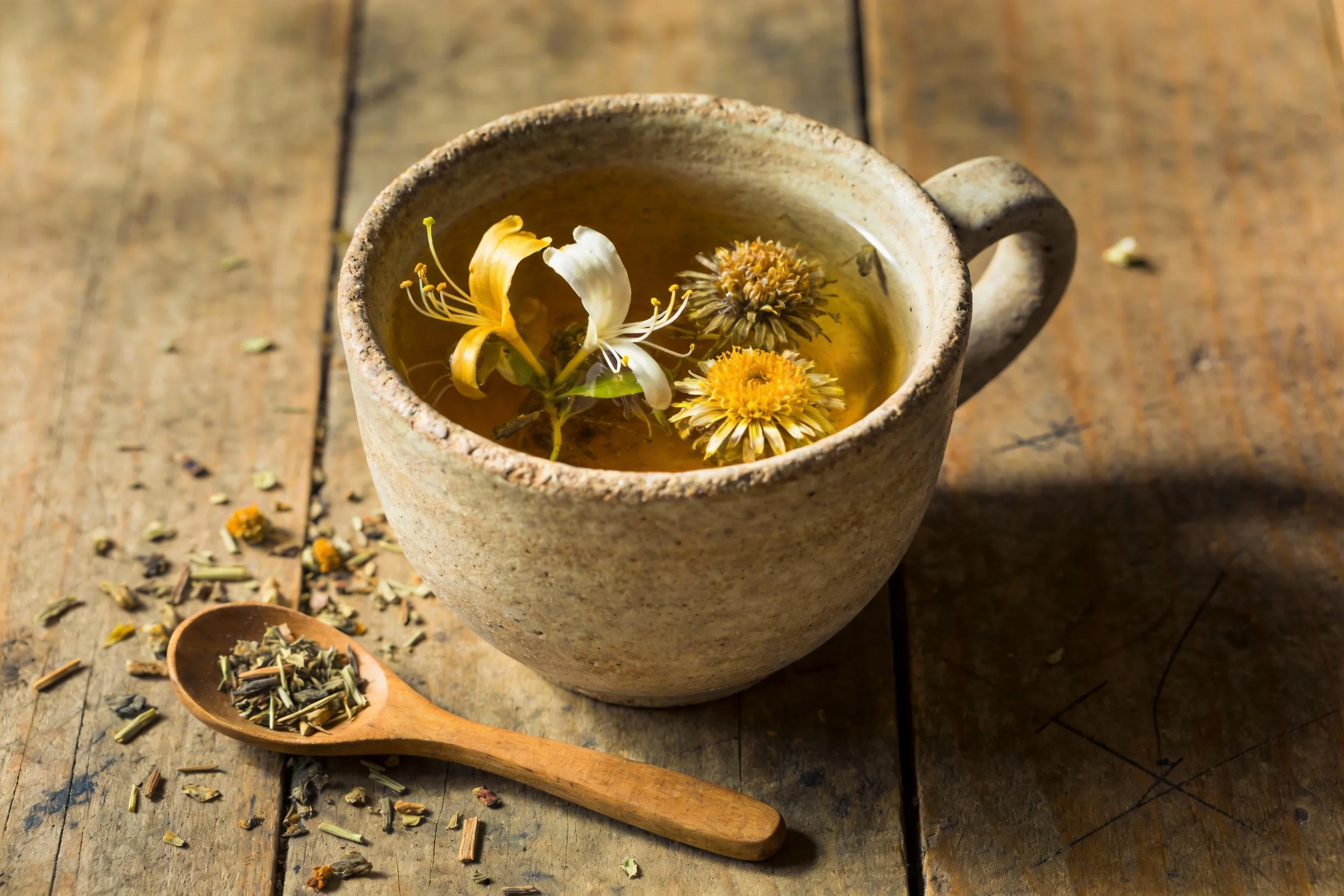
Honeysuckle & Wild Chrysanthemum Tea: Gentle But Powerful Relief
Ingredients: 60g honeysuckle (Jinyinhua), 30g wild chrysanthemum (Yejuhua), 20g raw licorice root (Sheng Gancao)
Preparation: Boil the herbs in clean water and drink the resulting tea throughout the day as a substitute for regular tea. Make only as much as you need for one day. During the treatment period, it’s important to avoid alcohol, smoking, and spicy foods, which could aggravate inflammation.
How it works: Honeysuckle and wild chrysanthemum have natural anti-inflammatory and antibacterial properties, often used in traditional Chinese herbal medicine for clearing internal heat and detoxifying. This combination may ease symptoms of prostatitis like pelvic discomfort and urinary issues.
Fresh Guan Zhong & Stone Lotus Drink: When You Need Thorough Detox & Persistence
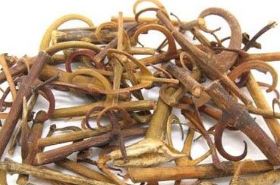
Ingredients: 90g raw Guan Zhong (Dryopteris root), 90g stone lotus seed (Shi Lian Zi)
Reminder: Guan Zhong can be strong in effect; consult a TCM professional before using high doses.
Preparation: Crush both herbs, mix evenly, and divide into three portions. Take one portion per day, placing the mix into a porcelain cup and brewing with boiling water. Drink the infusion like tea, three times per day. Continue for several days—and if your symptoms are stubborn, keep it up. Consistency leads to results.
How it works: This combination promotes detox and benefits the urinary tract, potentially helping reduce inflammation of the prostate. Ideal for men experiencing recurring symptoms aggravated by internal dampness or pathogens.
Classic Formula with a Twist: Modified Wan Dai Tang for Chronic Cases
Ingredients: 30g white atractylodes (Baizhu), 30g Chinese yam (Shanyao), 6g ginseng (Renshen), 15g white peony (Baishao), 9g plantain seed (Cheqianzi), 10g atractylodes lancea (Cangzhu), 3g licorice root (Gancao), 1.5g dried tangerine peel (Chenpi), 1.5g black mustard seed (Heijiesui), 1.8g bupleurum (Chaihu)
Preparation: Boil all herbs together and take one dose per day.
Note: This formula balances the body’s Qi and tonifies the spleen, commonly used in TCM to manage damp-heat syndromes that contribute to prostatitis. It’s especially helpful in chronic cases with digestive sluggishness and urinary discomfort.
Safety Reminder: When using herbs like ginkgo seed (if prescribed under other circumstances), always remove the embryo inside (the bitter green part). Never consume ginkgo seeds long-term or in high doses, as they may be toxic. Always consult a professional herbalist before starting any new regimen.
Science-Backed + Tradition-Based Approaches Work Best Together
- A study published on PubMed notes that honeysuckle and wild chrysanthemum demonstrate anti-inflammatory activity in urogenital infections. (PMID: 20432515)
- Traditional Chinese references like the Huangdi Neijing describe treatments for urinary imbalances using herbal tonics that closely resemble this article’s formulas. (PMID: 8655742)
- Clinical evaluation shows that combining herbal therapy with diet and lifestyle changes helps improve chronic prostatitis symptoms. (PMID: 31627645)
One-Click Self-Test + Instant DIY Relief
If you’re peeing more than 8 times a day with pelvic pressure → immediately brew honeysuckle + wild chrysanthemum tea, sip slowly and stop spicy food.
If symptoms persist for over a week → quick-start the Guan Zhong & Stone Lotus regimen and reduce screen time at night.
If you feel heavy fatigue with urinary dribbling → now’s the time to try Modified Wan Dai Tang, especially before bedtime.
For informational purposes only. Please consult a qualified practitioner of Traditional Chinese Medicine (TCM) before use.