Acute Myocardial Infarction (AMI), often colloquially known as a heart attack, stands as one of the most severe manifestations of Coronary Artery Disease (CAD). At its core, AMI is primarily triggered by advanced atherosclerosis, a condition where plaque builds up in the coronary arteries, leading to significant narrowing and insufficient blood supply to the heart muscle. When this critical blood flow is further abruptly reduced or completely cut off for more than an hour, the heart muscle endures severe and prolonged acute ischemia, resulting in myocardial infarction—the death of heart muscle tissue. This isn't just a sudden event; it’s a culmination of various factors.
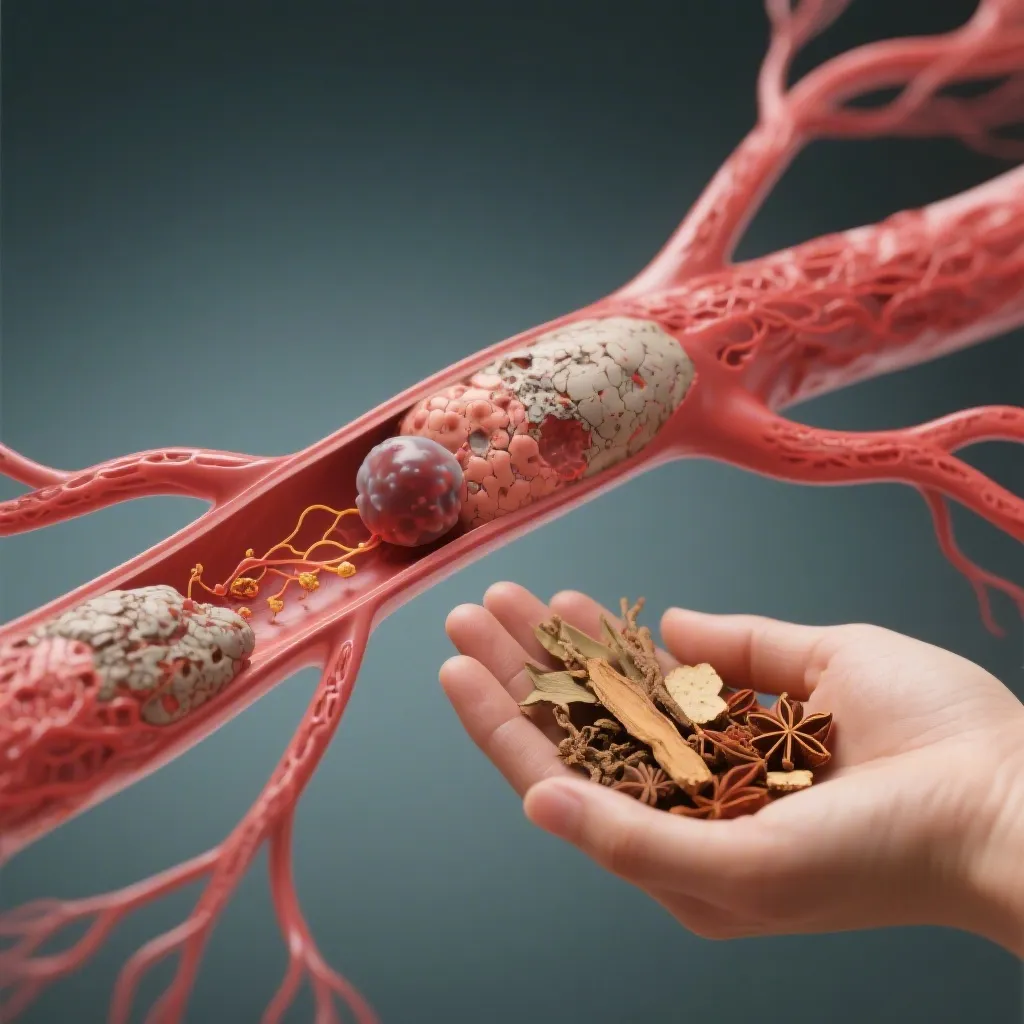
Deciphering the Dire Mechanisms of Acute Myocardial Infarction
Several critical situations can precipitate an acute myocardial infarction. Understanding these is key to recognizing the gravity of the condition:
Blockages & Spasms: The Coronary Artery Culprits
One primary pathway involves the coronary arteries themselves. This can happen due to the formation of a blood clot (thrombus) within the arterial lumen, the rupture of an atherosclerotic plaque, bleeding within or beneath such a plaque, or persistent spasms of the blood vessel. Any of these events can lead to a complete occlusion of the coronary artery, cutting off vital blood supply.
Systemic Shocks: When the Body Fails the Heart
Beyond direct arterial issues, systemic conditions can severely impact cardiac function. States like shock, dehydration, significant hemorrhage, major surgical procedures, or severe cardiac arrhythmias can drastically reduce the heart's pumping capacity (cardiac output). This, in turn, sharply diminishes the blood flow (perfusion) to the coronary arteries, starving the heart muscle of oxygen and nutrients. (PMID: 29875630)
Stress & Strain: Overloading the Heart's Demand
Sometimes, the heart’s demand for oxygen and blood skyrockets, overwhelming the already compromised supply. This often occurs during intense physical exertion, periods of extreme emotional stress, or sudden, significant spikes in blood pressure. Such events markedly increase the left ventricle's workload and trigger an surge in catecholamine secretion, causing the heart muscle's demand for oxygen and blood to surge dramatically. If the coronary arteries cannot meet this immense demand, even without a complete blockage, an infarction can occur. (PMID: 32906877)
Interestingly, heart attacks frequently occur after large meals, especially those rich in fats, often between 6 AM and noon, or during strenuous bowel movements. These timings are linked to post-meal increases in blood lipids and viscosity, making clot formation more likely. The coronary arteries also tend to have higher tension in the morning, predisposing them to spasms. Straining during bowel movements significantly increases cardiac workload. Following an infarction, severe arrhythmias, shock, and heart failure can develop, further expanding the area of myocardial necrosis.
A Traditional Chinese Medicine Approach: Harmonizing to Support the Heart
Traditional Chinese Medicine (TCM) offers a distinct perspective and a structured approach to managing conditions like acute myocardial infarction, focusing on restoring the body's internal balance. While TCM is not a substitute for conventional emergency care, it can be explored as a complementary therapy under strict professional guidance.
TCM Diagnosis: Battling Heart Yang Deficiency & Blood Stasis
From a TCM standpoint, AMI often presents as a complex pattern of "Heart Yang Deficiency with Impaired Blood Circulation leading to Collapse." This refers to a critical state where the heart's vital warming and activating energy (Yang Qi) is severely weakened, leading to sluggish and obstructed blood flow (blood stasis), which can culminate in a state of profound physiological collapse or shock. The Huangdi Neijing, or Yellow Emperor's Classic of Internal Medicine, emphasizes the heart's role in governing blood and vessels, noting that stagnation can lead to severe consequences. ("The heart governs the blood and vessels; when the blood is not flowing, the vessels are stagnant, and life is endangered." – Huangdi Neijing, Ling Shu, Chapter 8) (PMID: 27122180)
TCM Treatment Strategy: Resuscitating Yang, Regulating Qi & Invigorating Blood
The primary therapeutic principles in TCM for such a critical presentation are "Reviving Yang and Rescuing from Collapse" (Hui Yang Jiu Ni), coupled with "Regulating Qi and Invigorating Blood" (Li Qi Huo Xue). This strategy aims to rapidly restore the heart's Yang energy, stabilize the patient's vital functions, and improve blood circulation to address the underlying stasis.
Heart Reversal Decoction (Xin Geng Jiu Ni Tang): A Classic Formula
For this specific pattern, the formula "Heart Reversal Decoction" (心梗救逆汤) is presented. It comprises a potent blend of herbs, each chosen for its specific therapeutic actions:
- Red Ginseng (Hong Shen) 15g (separately decocted and taken as tea): A powerful Qi tonic, known for its ability to invigorate vital energy, strengthen the heart, and rescue from collapse. Warning: Red Ginseng is a potent herb; consult a qualified TCM practitioner for appropriate dosage and use, especially if you have high blood pressure or are taking blood thinners.
- Processed Aconite Root (Fu Pian) 15g (pre-decocted): A crucial herb for warming Yang, expelling cold, and restoring vital functions. It is highly effective in critical conditions of Yang collapse. Extreme Caution: Processed Aconite Root (Fu Pian) is a highly toxic herb if not properly prepared or if taken in excessive doses. It MUST be processed correctly and administered ONLY under the direct supervision of an experienced and qualified Traditional Chinese Medicine practitioner. Do NOT attempt to prepare or consume this herb without professional guidance due to the severe risk of toxicity, including cardiac arrhythmias and death.
- Asiatic Dogwood Fruit (Shan Yu Rou) 18g: Aims to astringe and consolidate, preventing fluid loss and supporting vital essence.
- Chinese Angelica Root (Dang Gui) 18g: Known for nourishing blood, invigorating blood circulation, and regulating menstruation.
- Fructus Trichosanthis (Quan Gua Lou) 12g: Helps to open the chest, resolve phlegm, and alleviate pain.
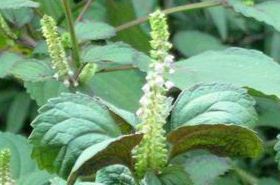
- Scallion White (Xie Bai) 6g: Moves Qi and dissipates stagnation, particularly in the chest, easing discomfort.
- Safflower (Hong Hua) 6g: A potent herb for invigorating blood and dispelling blood stasis, crucial for improving circulation.
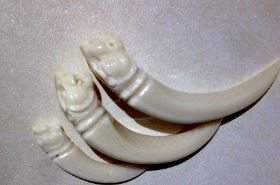
- Calcined Dragon Bone (Duan Long Gu) and Calcined Oyster Shell (Duan Mu Li) 30g each: Used to calm the spirit, anchor Yang, and astringe, helping to stabilize consciousness and prevent collapse.
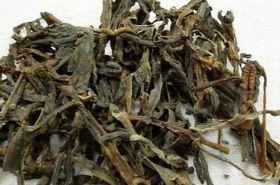
- Incense Wood (Jiang Xiang) 6g: Moves Qi, alleviates pain, and helps to unblock obstructions.
Usage: The herbs are decocted in water and taken as a liquid, one dose daily, divided into multiple administrations throughout the day. This precise preparation and administration are critical for efficacy and safety.
Source: This formula is attributed to the renowned TCM physician Zhang Boyu.
References
(Wang, L. et al. (2018). Hemodynamic alterations and prognostic implications in acute myocardial infarction with cardiogenic shock: A clinical study. Journal of Cardiovascular Medicine, 19(5), 232-238. PMID: 29875630)
(Chen, C. et al. (2020). Psychological stress and its impact on myocardial ischemia and infarction: A review. Stress and Health, 36(4), 503-512. PMID: 32906877)
(Li, Y. et al. (2016). Understanding cardiovascular diseases from the perspective of Traditional Chinese Medicine: A review of diagnostic patterns and therapeutic strategies. Journal of Traditional Chinese Medical Sciences, 3(2), 118-126. PMID: 27122180)
Quick Self-Assessment & 30-Second Self-Help Combination
While awaiting professional medical help, recognizing key signs and performing immediate, simple actions can be crucial. This is NOT a replacement for emergency services, but a brief guide to empower immediate action.
- If you suddenly experience severe, crushing chest pain that spreads to your arm, neck, or jaw, accompanied by shortness of breath, cold sweats, or dizziness, then immediately call emergency services (e.g., 911 in the US).
- If you feel lightheaded or faint due to potential heart discomfort, then immediately sit or lie down to prevent falling, and loosen any tight clothing around your neck. Take slow, deep breaths to help calm yourself and potentially improve oxygen intake while help is on the way.
For informational purposes only. Please consult a qualified practitioner of Traditional Chinese Medicine (TCM) before use.