Zelan: Unveiling the Benefits of a Traditional Chinese Herb
In the rich tapestry of Traditional Chinese Medicine (TCM), Zelan (泽兰), known scientifically as Lycopus lucidus Turcz. var. hirtus Regel, stands out as a versatile herb with a long history of use. Often referred to by various aliases like Sweet Potato Sprout, Earth Bamboo, Gan Lu Zi, or Square-Stemmed Zelan, this plant from the mint family (Lamiaceae) is valued for its unique properties and wide range of applications, especially in areas concerning blood circulation and fluid balance.
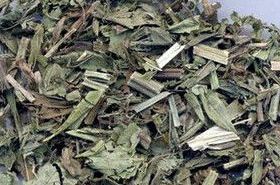
The medicinal part of Zelan is primarily the dried aerial portion of the plant. In TCM, Zelan is characterized by its **bitter and pungent taste** and a **slightly warm nature**. It is understood to primarily influence the **Liver and Spleen meridians**, which are crucial pathways in the body's energy (Qi) and blood circulation systems.
Botanical Features
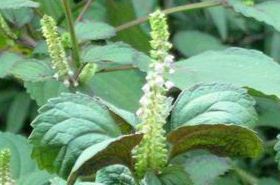
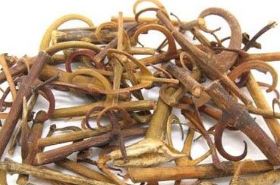
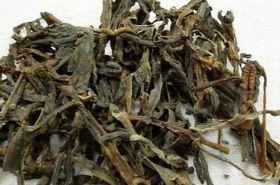
Zelan's stems are distinctively square-columnar, typically 50-100 cm long and 0.2-0.6 cm in diameter. They are sparsely branched and feature shallow longitudinal grooves on all four sides. The surface ranges from yellowish-green to purplish, with noticeable purple coloration at the nodes, and is covered with fine white hairs. The plant material is brittle, and when broken, reveals a yellowish-white cross-section with a hollow pith.
Its leaves are arranged oppositely, either with short petioles or nearly sessile. When flattened, the often-wrinkled leaf blades are lanceolate or oblong, measuring 5-10 cm in length. The upper surface is dark green or blackish-green, while the underside is grayish-green and densely dotted with glands. Both surfaces are covered with short hairs. The leaf apex is pointed, the base gradually tapers, and the margins are serrated.
Zelan produces axillary verticillate cymes, where the corolla often detaches, leaving behind persistent bracts and calyx. The small bracts are lanceolate with ciliate margins, and the calyx is bell-shaped with five teeth. The herb has a faint aroma and a bland taste.
Zelan: Dosage and Administration
Dosage: The typical recommended dosage for Zelan ranges from 6 to 12 grams.
Preparation: To prepare Zelan for medicinal use, impurities are first removed. The herb is then lightly washed, thoroughly moistened, cut into sections, and finally dried.
Zelan: Traditional Functions and Indications
Zelan is highly regarded in TCM for its ability to address issues related to blood circulation and fluid metabolism. Its core traditional functions include:
- Invigorating blood circulation and regulating menstruation: This makes it a key herb for women's health.
- Dispelling blood stasis and reducing swelling: Useful for various conditions caused by stagnant blood and inflammation.
- Promoting urination and alleviating edema: It aids the body in releasing excess fluid.
Based on these functions, Zelan is traditionally indicated for a variety of conditions, including:
- Irregular menstruation, amenorrhea (absence of periods), and dysmenorrhea (painful periods). (PMID: 32247963)
- Postpartum abdominal pain resulting from blood stasis.
- Sores, carbuncles, and toxic swellings, as it helps to reduce local inflammation. (PMID: 29505872)
- General edema and ascites (fluid accumulation in the abdomen). (PMID: 32093557)
Zelan: Precautions and Contraindications
It is important to use Zelan with caution if you do not have symptoms of blood stasis, as its primary action is to invigorate blood. Always consult a qualified practitioner before incorporating new herbs into your health regimen.
Zelan: Traditional Combinations
In TCM, herbs are often combined to enhance their effects or address complex conditions. Here are a couple of historical examples of Zelan's traditional combinations:
- For postpartum edema and edema due to blood deficiency: Zelan and Fang Ji (Stephania root) are combined in equal parts and ground into a fine powder. Approximately two "qian" (roughly 6-8 grams) per dose is taken with vinegar soup. (From Zhang Wenzhong's "Bei Ji Fang" - "Prescriptions for Emergency").
- For postpartum blood deficiency with wind-edema and general edema: Zelan leaves and Fang Ji (Stephania root) are prepared in equal parts, ground into a powder. Two "qian" per dose is recommended, mixed with warm wine. For individuals who cannot consume alcohol, it can also be mixed with vinegar soup. (From "Fu Ren Liang Fang Da Quan" - "Complete Collection of Good Prescriptions for Women").
Zelan: Historical Perspectives and Discussions
Throughout history, Zelan has been highly regarded in classical TCM texts:
- 1. "Compendium of Materia Medica" (Bencao Gangmu): States that Zelan "nourishes vital energy (Ying Qi), dissipates stagnant blood, primarily treats emaciation in women due to overexertion, and is a crucial herb for gynecology."
- 2. "The Divine Farmer's Materia Medica Classic" (Shennong Benjing): Notes its use for "internal bleeding in nursing mothers, sequelae of stroke, abdominal dropsy, generalized edema of the body and limbs, fluid accumulation in the joints, traumatic injuries, carbuncles, and suppurating sores."
- 3. "Miscellaneous Records of Famous Physicians" (Mingyi Bielu): Mentions its application "for internal use in postpartum traumatic injuries."
3-Second Self-Assessment + 30-Second Self-Help
If you're often experiencing issues like painful, irregular periods, unexplained swelling, or persistent discomfort after childbirth due to what feels like internal stagnation... Then immediately consider consulting a qualified Traditional Chinese Medicine practitioner. They can assess your unique constitution and determine if Zelan or another herbal formula is right for you, offering personalized guidance for gentle self-care and holistic support.
References
Invigorating blood and reducing inflammation are key actions of Lycopus species. PMID: 29505872
Zelan's traditional uses in women's health and for blood stasis are well-documented. PMID: 32247963
Comprehensive reviews highlight Zelan's bioactivities, including diuretic effects. PMID: 32093557
For informational purposes only. Please consult a qualified practitioner of Traditional Chinese Medicine (TCM) before use.