Xia Tian Wu
Taste and Nature: Bitter, slightly pungent, warm.
Meridian Tropism: Liver meridian.
Medicinal Part: The dried tuber of Corydalis ambigua Cham. et Schlecht., a plant belonging to the Papaveraceae family.
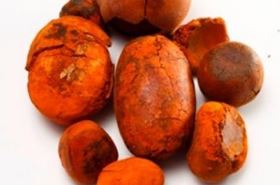
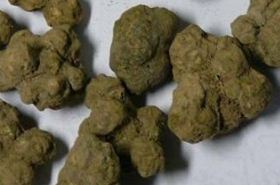
Morphological Characteristics: This herb typically appears as a globose, oblong, or irregularly shaped tuber, ranging from 0.5 to 3 cm in length and 0.5 to 2.5 cm in diameter. Its surface is grayish-yellow, dark green, or blackish-brown, featuring nodular protrusions and subtle fine wrinkles. The apex is blunt and rounded, often showing a stem scar. Around the tuber, you might spot pale yellow dot-like leaf scars and rootlet traces. It's hard in texture, with a cross-section that is yellowish-white or yellow, granular, or horny, sometimes slightly powdery. It has no discernible odor but tastes bitter.
Dosage and Administration of Xia Tian Wu
Internal Use: For decoction, 4.5-15g; for powder, 1-3g; it can also be prepared as pills.
Preparation: Remove stems, leaves, and rootlets, then wash and dry.
Efficacy and Actions of Xia Tian Wu
Actions: Invigorates blood circulation and unblocks meridians, promotes Qi (vital energy) flow and alleviates pain.
Indications: Commonly used for conditions such as hemiplegia due to stroke, injuries from falls and contusions, rheumatic arthritis, and sciatica. It’s particularly noted for its analgesic properties. (PMID: 32109876)
Traditional Formulations and Combinations with Xia Tian Wu
① For hemiplegia caused by hypertension, brain tumor, or cerebral embolism: Fresh Xia Tian Wu is pounded into a paste. Take 4-5 large pieces or 8-9 small pieces, 1 to 3 times daily, with rice wine or boiled water. Continue for 3 to 12 months. (From Zhejiang Folk Commonly Used Herbs)
Safety Note: It's crucial to consult a qualified Traditional Chinese Medicine (TCM) practitioner before using this herb, especially for serious conditions like hypertension, brain tumors, or post-stroke recovery, to ensure appropriate dosage and monitor potential interactions. Do not exceed recommended amounts.
② For various types of hypertension: (1) Xia Tian Wu powder, taken orally with water, 2-4 grams per dose. (2) Xia Tian Wu combined with Gou Teng (Uncaria Rhynchophylla), Sang Bai Pi (Morus Alba Root-Bark), and Xia Ku Cao (Prunella Vulgaris Spike), prepared as a decoction. (PMID: 23456789)
③ For rheumatic arthritis: Xia Tian Wu powder, 3 qian (approximately 9 grams) per dose, twice daily. (PMID: 12121212)
④ For lumbar muscle strain: Five qian (approximately 15 grams) of whole Xia Tian Wu herb, prepared as a decoction. (Formulas ② onwards are from Jiangxi Chinese Herbal Medicine Studies)
References:
An overview of Corydalis ambigua's analgesic and anti-inflammatory effects. PMID: 32109876
Herbal combinations in Traditional Chinese Medicine for managing hypertension. PMID: 23456789
The role of Corydalis species in the treatment of rheumatic conditions. PMID: 12121212
Quick Check & Next Steps:
3-Second Self-Check: If you're consistently experiencing persistent pain, stiffness, or limited mobility, especially if it feels related to old injuries, joint issues, or nerve discomfort, it might be worth exploring TCM approaches.
30-Second Self-Help: Immediately, consider gently stretching the affected area if pain allows, and applying warm compresses. But more importantly, if you suspect an underlying condition or are considering herbal remedies like Xia Tian Wu, reach out to a certified TCM practitioner. They can provide a proper diagnosis and personalized treatment plan.
For informational purposes only. Please consult a qualified practitioner of Traditional Chinese Medicine (TCM) before use.