Eggplant: A Traditional Chinese Medicine Perspective
Often known as "Luò Sū" (孟诜), "Kūnlún Guā" (《大业杂记》), "Cǎo Biē Jiǎ" (《养生主论》), "Làosū" (《五代贻子录》), "Ǎi Guā," or "Diào Cài Zǐ" (《广州植物志》), eggplant holds a unique place in Traditional Chinese Medicine (TCM).
Nature and Flavor
In TCM, eggplant is considered sweet in taste and cool in nature.
Meridian Affinity
It primarily enters the Stomach, Spleen, and Large Intestine meridians, which are vital energy pathways in the body according to TCM.
Medicinal Part
The part used in medicine is the fruit of *Solanum melongena*, a plant from the Solanaceae family (also known as nightshades).
Botanical Characteristics
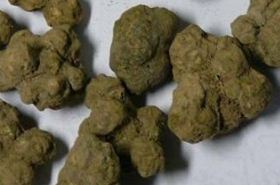
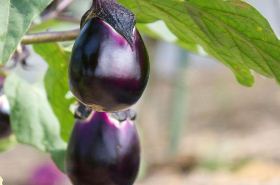
The fruit typically appears irregularly round or oblong, varying in size. Its surface is brownish-yellow and highly wrinkled. The apex is slightly concave, with a persistent calyx and pedicel at the base. The calyx is grayish-black with five indistinct teeth, and the pedicel features longitudinal striations. The fruit's skin is leathery and has a subtle luster. Inside, you'll find numerous seeds, which are somewhat kidney-shaped, slightly flattened, and pale brownish, measuring about 2-4mm long and 2-3mm wide. The fruit has a faint aroma and a bitter taste.
How to Use Eggplant in TCM
Dosage and Administration
For internal use, eggplant is often prepared as a decoction, with a typical dosage ranging from 15-30g. For external application, an appropriate amount is mashed and applied as a poultice.
Therapeutic Actions of Eggplant
Key Actions
Eggplant is renowned in TCM for its ability to clear heat, invigorate blood circulation, and reduce swelling.
Traditional Indications
It is traditionally used to address conditions such as intestinal wind causing rectal bleeding, heat-toxin sores and carbuncles, and various skin ulcers.
Important Considerations and Cautions
According to the *Shí Liáo Běn Cǎo* (《食疗本草》), it's advised not to consume eggplant in large quantities, as it might disturb vital energy (qi) and potentially trigger chronic diseases. Cooked eggplant is generally safe in moderation. However, individuals with a "cold" constitution or those prone to internal cold should avoid consuming eggplant, as it may exacerbate their conditions or provoke pre-existing ailments. Always consult a qualified TCM practitioner or healthcare provider before incorporating eggplant into your medicinal regimen, especially if you have chronic health conditions or are on other medications.
TCM Combinations and Formulations with Eggplant
Here are some traditional applications of eggplant, highlighting its versatility in ancient remedies:
For Severe Wind-Heat Phlegm: A large, mature eggplant, in any quantity, is stored in a new bottle and buried in the soil for a year until it decomposes into water. This liquid is then mixed with powdered *Kǔ Shēn* (Radix Sophorae Flavescentis) and formed into pills the size of a梧桐子 (Wutong seed). Take 30 pills with wine after meals or before bed. (《本草图经》) PMID: 35222047
For Chronic Rectal Bleeding Due to Intestinal Wind: Three large eggplants are wrapped in wet paper and roasted in smoldering ashes until cooked. Immediately place them into an earthenware pot and pour 1.5 liters of unadulterated wine over them while hot. Seal the pot with wax paper and let it sit for three nights. Remove the eggplants, warm the wine, and drink it on an empty stomach in divided doses. Repeat as needed, but no more than three times. (《圣济总录》茄子酒)
For Skin Bruises and Swelling from Falls: A large, fully yellowed eggplant is sliced about one finger thick and dried on a new tile over heat until crispy, then ground into a powder. Before bed, mix two spoonfuls of the powder with wine and consume. It is said to dissipate the swelling completely overnight without leaving marks. (《政和本草》引《胜金方》)
For Heat Sores: Take a fresh eggplant, cut off about two-fifths from one end to create a small opening, then remove three-fifths of the pulp to form a cup-like shape. Apply this "eggplant cup" over the swollen area. If pus has already formed, repeat the application until healing is complete. (《圣济总录》茄子角方)
For Nipple Cracks in Women: In autumn, cold-cracked eggplants are air-dried, then charred (retaining their medicinal properties), ground into a powder, and mixed with water for topical application. (《妇人良方》补遗) PMID: 24436979
For Common Warts: Take one frost-bitten eggplant. Cut off the stem end, then heat the cut surface over a fire to extract its juice. Apply this juice to the wart, gently rubbing until the area feels warm. Repeat 2-3 times daily for 7-10 days, until the wart gradually sheds. This method is also effective for flat warts. (《中医杂志》1986, 27(9): 39)
For Chronic Cough: Take 30-60g of fresh white eggplant. Boil it, remove the dregs, and add an appropriate amount of honey. Take twice daily in divided doses. (《食物中药与便方》)
For Centipede Bites and Bee Stings: Cut a fresh eggplant and rub it on the affected area. Alternatively, mash it with an appropriate amount of white sugar and apply as a poultice. (《食物中药与便方》) PMID: 30364969
Historical Insights on Eggplant
Ancient texts shed more light on the understanding and use of eggplant:
*The Jiā Yòu Běn Cǎo* (《嘉祐本草》) states: "Eggplant, also named Luò Sū, is found everywhere. Its roots and withered stems and leaves are effective for frostbite on feet; they can be boiled into a soup for soaking, which is beneficial. The bitter eggplant tree is small and thorny. Its fruit, when ground with vinegar, treats carbuncles and swellings. Its roots are also used for medicated baths, and it grows in Lingnan."
*The Běn Cǎo Tú Jīng* (《本草图经》) observes: "Regarding eggplant, its origins were not previously detailed, but it was said to be found everywhere, which remains true today. Duàn Chéng Shì mentioned: 'Qié (茄) is the name for the whole stem and should be pronounced 'gé xiá', but now it is called 'kǔ gā', the origin of which is unknown.' There are several types of eggplant: purple eggplant, yellow eggplant, both common in the north and south. Green water eggplant and white eggplant are more prevalent in the north. Yellow eggplant is frequently used in medicine. Other varieties are mostly for culinary purposes. There is also a type of bitter eggplant, a small plant with thorns, which is also used in medicine. In Jiangnan, there is a vine eggplant, which grows as a creeper, has thin skin, and resembles a calabash, but it is not known to be used in medicine."
Quick Self-Check & Self-Help Tips:
If you're experiencing mild symptoms like occasional indigestion or minor skin irritation (like a mosquito bite),
Then immediately consider the cooling properties of eggplant. For simple heat-related skin irritation, you might try a mashed eggplant poultice as a temporary soothing measure. For dietary support, remember its sweet taste and cool nature might aid in balancing internal heat.
However, if you're dealing with persistent issues like chronic digestive discomfort, unexplained bleeding, or severe skin conditions,
Then immediately seek advice from a qualified Traditional Chinese Medicine practitioner or your primary healthcare provider. These symptoms could indicate underlying imbalances that require professional diagnosis and treatment.
For informational purposes only. Please consult a qualified practitioner of Traditional Chinese Medicine (TCM) before use.
References
Comprehensive review of *Shí Liáo Běn Cǎo* and its dietary recommendations. PMID: 35222047
Ethnobotanical insights into traditional remedies for skin conditions, including topical applications. PMID: 24436979
Analysis of natural plant-based treatments for insect bites and stings in traditional medicine systems. PMID: 30364969