Tu Ni Xi
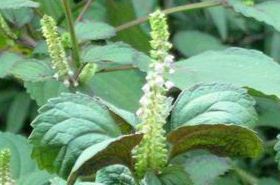
Ever heard of Tu Ni Xi? It's a fascinating herb from the world of Traditional Chinese Medicine (TCM). Known botanically as Achyranthes bidentata Blume, this plant, along with its wild relatives like Achyranthes longifolia, Achyranthes aspera L., and Achyranthes aspera L. var. indica L., offers some pretty unique health benefits. In TCM, we typically use the root and rhizome of these plants.
Flavor and Nature: Tu Ni Xi has a unique flavor profile – it’s a mix of sweet, slightly bitter, and a touch sour, and it's considered cool in nature.
Meridian Tropism: In TCM, it's understood to primarily influence the Liver and Kidney meridians, making it particularly effective for issues related to these organ systems.
Medicinal Part: We use the root and rhizome from the wild species of Achyranthes bidentata Blume, as well as Achyranthes longifolia (Makino) Makino, Achyranthes aspera L., and Achyranthes aspera L. var. indica L., all belonging to the Amaranthaceae family.
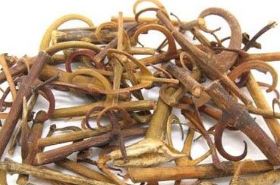
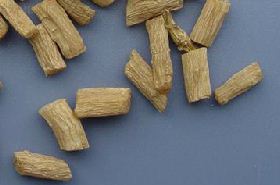
Characteristics: When prepared, Tu Ni Xi typically comes in thin, diagonally cut slices or small segments. The outer surface is grayish-brown and covered with fine, dense wrinkles. The cut surface reveals a yellowish-brown color, sometimes with a hollow center. You might notice vascular bundles arranged in 2 to 4 distinct rings, almost like little dots. It has a tough texture, a faint aroma, and tastes subtly sweet yet astringent.
Dosage and Administration of Tu Ni Xi
Internal Use: For internal consumption, it's commonly prepared as a decoction. The usual dosage is 9-15 grams of the dried herb. If you're using the fresh plant, you'd typically use 30-60 grams.
External Use: For topical application, use an appropriate amount. It can be mashed into a paste and applied as a poultice, or the extracted juice can be dripped into the ear. Sometimes, it's even ground into a fine powder and blown into the throat for specific conditions.
Preparation: To prepare Tu Ni Xi, start with the raw herb, carefully remove any impurities, wash it thoroughly, and then lightly spray it with clean water to moisten it. Once slightly softened, slice it into thin, diagonal pieces or irregular segments, and then dry it completely.
Functions and Indications of Tu Ni Xi
Functions: Tu Ni Xi is known for its ability to invigorate blood and dispel stasis, clear heat and detoxify, and promote diuresis to relieve painful urination. Think of it as a natural way to get things flowing, cool down inflammation, and support healthy kidney and bladder function.
Indications: Traditionally, this herb is used to address a range of issues, including amenorrhea (absent menstruation), traumatic injuries (like sprains and contusions), rheumatic joint pain, dysentery, diphtheria, sore throat with swelling, carbuncles and sores, stranguria (painful, frequent urination), and edema (swelling due to fluid retention).
Formulas and Combinations with Tu Ni Xi
Here are some traditional uses of Tu Ni Xi from classic texts:
- For Acute Localized Infections (Water Carbuncles): According to "Yiyang Daquan" (《疡医大全》, Essentials of External Medicine), take an unspecified amount of Tu Ni Xi, mash it well with a little salt, mix thoroughly, and apply it as a poultice to the infected area. It's said to bring relief within half a day.
- For Scrofula (Lymph Node Swelling): The "Mai Yin Zheng Zhi" (《脉因证冶》, Treatise on Pulse Etiology and Syndromes) suggests mashing Du Ni Xi (Tu Ni Xi) and applying it topically, securing it with a bandage. Change the dressing daily for best results.
- For Chronic, Stubborn Sores: In "Puji Fang" (《普济方》, Universal Benevolence Formulas), it's recommended for persistent sores that haven't responded to previous treatments. Mash Du Ni Xi (Tu Ni Xi) together with salted mud and apply this mixture to the affected area.
Contraindications for Tu Ni Xi
A crucial safety note: Pregnant women should absolutely avoid using Tu Ni Xi. While many herbs are beneficial, some can have strong effects on the body, and during pregnancy, safety is paramount. Always consult with a qualified TCM practitioner or healthcare provider before incorporating any new herb into your regimen, especially if you have underlying health conditions or are taking other medications. Self-treating with herbs can be risky if not done under professional guidance.
Related Discussions and Historical Records
Tu Ni Xi has a rich history in TCM literature:
- From the 'Illustrated Classic of Materia Medica' (《本草图经》): This text notes that Tu Ni Xi "treats women's blood stasis lumps," highlighting its traditional use for gynecological issues related to blood stagnation.
- From the 'Supplement to the Compendium of Materia Medica' (《纲目拾遗》): This authoritative work states that Tu Ni Xi "invigorates blood, resolves stasis, relaxes tendons, and treats traumatic injuries. It can also manage tetanus and various severe ailments." It further emphasizes, "It's excellent for treating sores, and wounds where knives or arrows have penetrated the flesh," underscoring its broad application for external and injury-related conditions.
- From the 'Records of Lingnan Herb Collecting' (《岭南采药录》): This record describes Tu Ni Xi as "an astringent and diuretic herb that clears blood and detoxifies." It suggests mashing the juice and gargling for throat conditions, and also notes its ability to "disperse blood stasis and relieve pain, and treat beriberi when decocted with wine." This highlights its versatility for both internal and external detoxification and pain relief.
References
Unveiling Achyranthes bidentata Blume: A Comprehensive Review of its Phytochemistry, Pharmacological Activities, and Traditional Uses. PMID: 30580979
Achyranthes bidentata Blume as an anti-inflammatory and analgesic agent: a review. PMID: 29330685
The effects of Achyranthes bidentata polysaccharides on blood stasis model rats. PMID: 26528087
Quick Check & Action Plan
3-Second Self-Test: Feeling persistent joint stiffness or discomfort, especially after an injury? Noticing unusual swelling or irregular menstrual cycles? These could be signs of underlying issues that TCM might address.
30-Second Self-Help: If you resonate with these symptoms, consider documenting them. Immediately reach out to a certified Traditional Chinese Medicine practitioner for a personalized diagnosis and treatment plan. They can help determine if Tu Ni Xi or another herbal remedy is right for you, safely and effectively.
For informational purposes only. Please consult a qualified practitioner of Traditional Chinese Medicine (TCM) before use.