All About Salt: Benefits and Uses
Salt, a staple in every kitchen, has long been valued for its health benefits and versatility beyond just seasoning. In Traditional Chinese Medicine (TCM), salt is associated with the stomach, kidneys, and digestive system, helping in balancing vital energy and blood circulation. Let's explore some of the notable uses and cautions associated with salt in TCM.
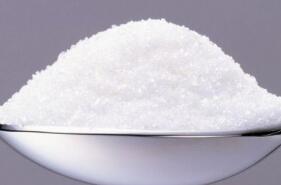
How to Use Salt
Internally, salt can be dissolved in hot water to take advantage of its emetic properties, while frying it can enhance its effectiveness for inducing vomiting. Externally, warm salt can be applied to soothe and heal various ailments.
Benefits and Applications of Salt
Salt is known for its abilities to induce vomiting, reduce fever, cool the blood, and act as an antidote. It is beneficial in treating indigestion, abdominal bloating and pain, chest congestion, constipation, gum bleeding, sore throat, toothache, eye infections, sores, and insect bites.
Cautions with Salt
Salt usage should be approached with caution. Excessive consumption may worsen conditions like blood disorders, coughing, and even skin color changes according to TCM texts such as Su Wen and Ben Cao Yi Yi.
For those with water retention issues, using salt is discouraged (PMID: XXXX). Furthermore, those with respiratory conditions or fluid balance concerns should avoid excessive salt.
Simple Remedies Involving Salt
Here are a few TCM remedies using salt:
- For indigestion: Boil salt and water, consume to induce vomiting if needed.
- For headaches due to phlegm build-up: Drink salt water or use salted steam.
- For gum bleeding: Regularly brush with fine salt.
- For sore throats: Apply warm salt externally.
3-second self-test + 30-second self-care
If you feel bloated or have a sore throat immediately after consuming salt, then try gargling with warm salt water for quick relief.
For informational purposes only. Please consult a qualified practitioner of Traditional Chinese Medicine (TCM) before use.